

India’s Maritime Legacy Meets Modern Naval Leadership as IFR, MILAN and IONS Conclude Successfully
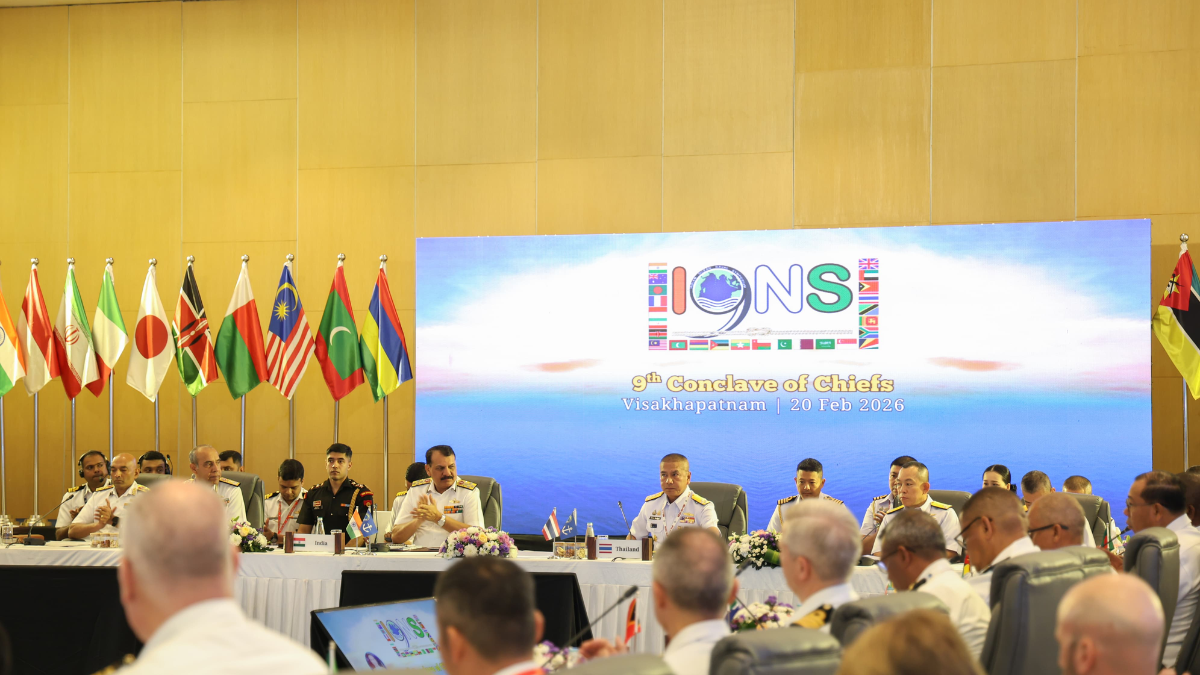

India’s long maritime journey—from ancient ports like Poompuhar and Arikamedu to today’s modern naval engagements—was on display as the International Fleet Review (IFR) 2026, the multilateral naval exercise MILAN 2026, and the Indian Ocean Naval Symposium (IONS) Conclave of Chiefs concluded in Visakhapatnam this month. Held as a coordinated set of engagements between 15 and 25 February 2026, the events brought together navies and maritime delegations from across the Indo-Pacific and beyond, reinforcing India’s expanding leadership role in the region.
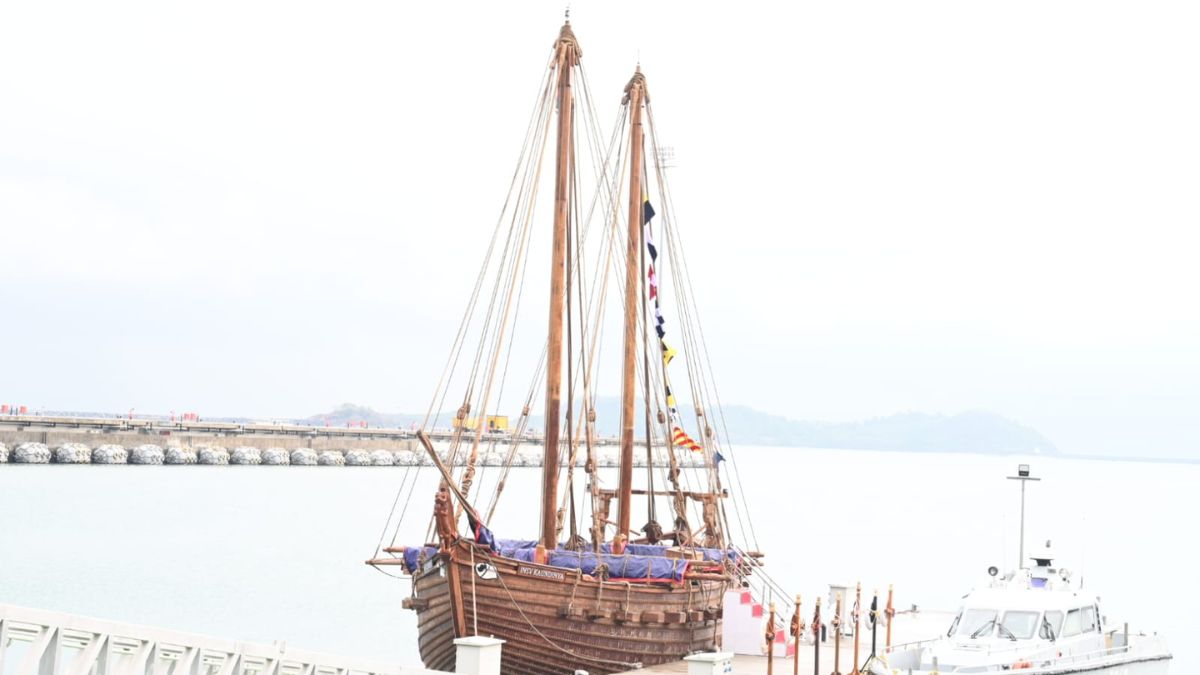
India’s maritime identity is rooted in deep history. Evidence of Indian Ocean connectivity stretches back to the Bronze Age, including Harappan-era maritime commerce—often associated with coastal nodes such as Lothal, where a large brick-lined basin has been interpreted by scholars as a dock structure dating to around the third millennium BCE. Over subsequent centuries, ports along India’s coastline—such as Poompuhar, Arikamedu, Mahabalipuram, Korkai and Dharanikota—emerged as centres of trade, craft production and cultural exchange. Archaeological and textual evidence also points to long-distance trade linking the Indian coastline to West Asia and the Roman world, and eastward across the Bay of Bengal into Southeast Asia.
That historical depth continues to shape India’s present-day naval outlook. Sitting astride critical sea lanes in the northern Indian Ocean, India occupies a central position in the broader Indo-Pacific maritime system. As geopolitical competition sharpens and maritime challenges evolve—from piracy and illegal fishing to risks to commercial shipping—India has increasingly relied on multilateral naval platforms to build trust, improve interoperability and strengthen cooperative security. This year’s IFR, MILAN and IONS Conclave illustrated that approach in a concentrated and visible way.
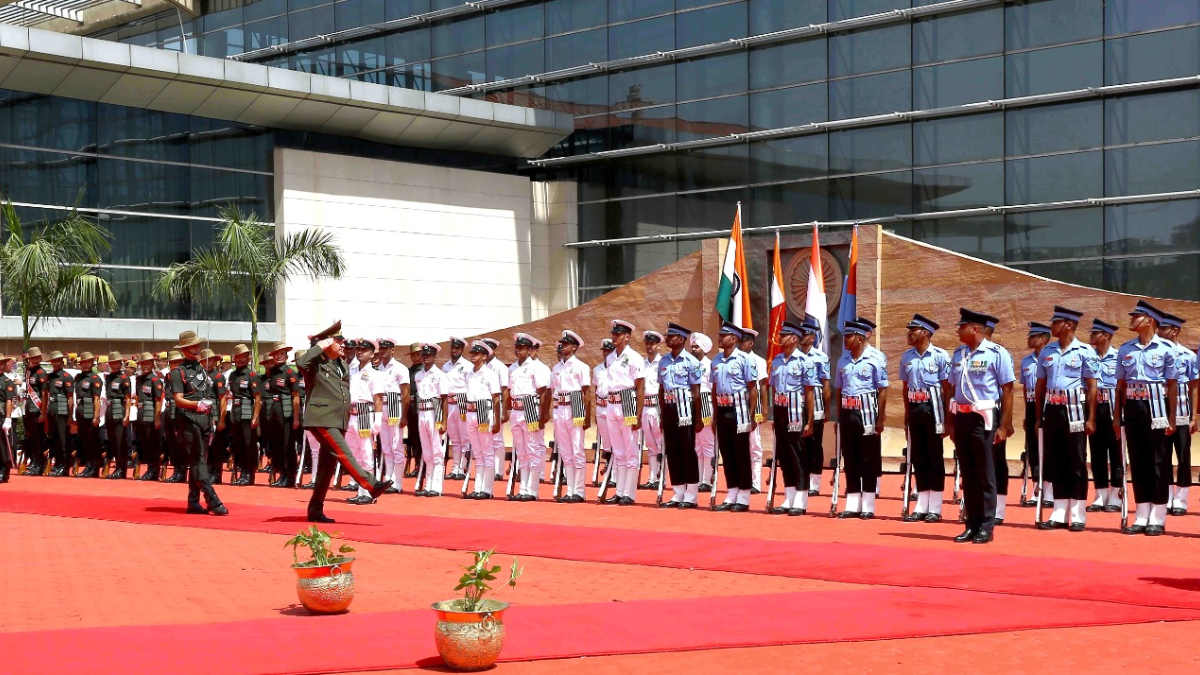
The International Fleet Review, hosted under the Eastern Naval Command at Visakhapatnam, showcased the professionalism, technological progress and operational readiness of the Indian Navy while offering partner navies a high-profile platform for maritime engagement. The event combined ceremonial elements with defence diplomacy, signalling India’s intent to deepen cooperation through a rules-based and collaborative maritime posture.
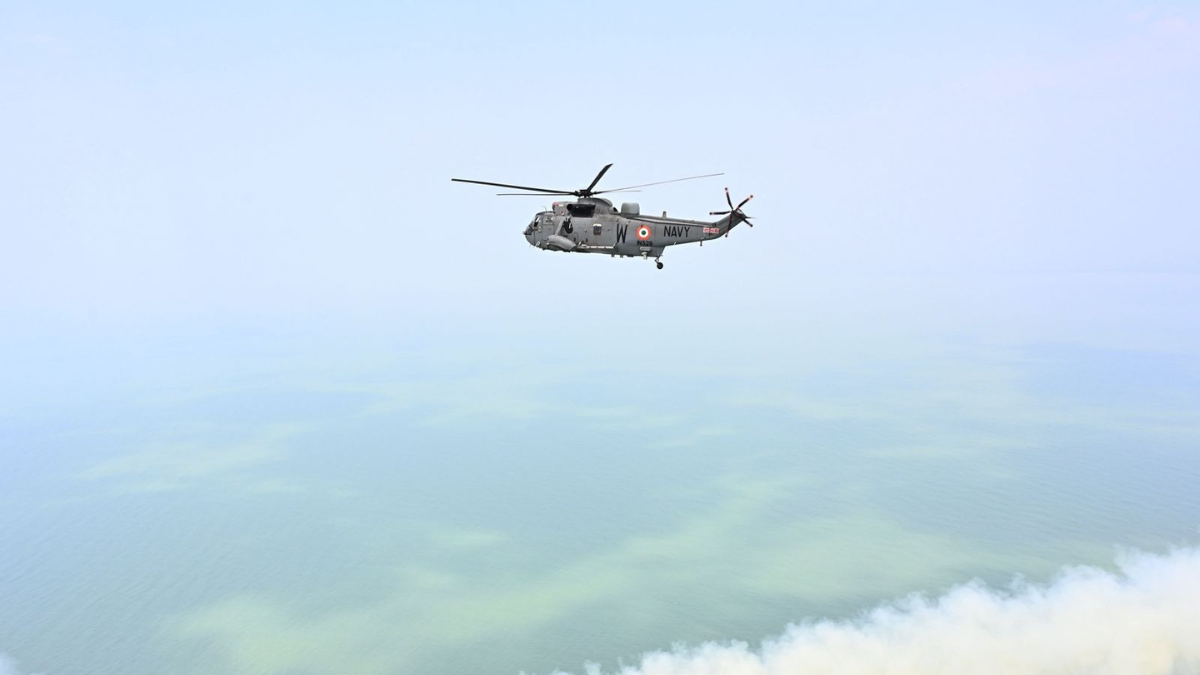
MILAN—India’s flagship multilateral naval exercise—saw participation from a wide range of partner countries and has grown significantly since its launch in 1995. The 2026 edition featured harbour interactions and professional exchanges followed by a sea phase off the coast of Visakhapatnam, with drills centred on coordination at sea, operational familiarity and shared maritime security skills, including search and rescue and humanitarian-assistance scenarios.
Meanwhile, the 9th IONS Conclave of Chiefs, convened in Visakhapatnam on 20 February 2026, brought together naval chiefs and senior maritime-security leaders from a broad spread of Indian Ocean littoral states and partners. Discussions focused on maritime security priorities, climate-linked maritime risks, and the protection of shipping and sea-based trade. The conclave underlined the growing importance of shared awareness, coordination, and practical cooperation across the Indian Ocean Region.
Together, these platforms present a larger picture of India’s maritime resurgence. The Bay of Bengal and the wider Indian Ocean once connected Indian ports to Southeast Asia and beyond through monsoon-driven trade networks; today, India is shaping regional maritime cooperation through naval diplomacy, joint exercises and sustained multilateral dialogue. As this 10-day convergence concluded, Indian statements emphasised partnership and cooperative security as the guiding principles of maritime engagement—linking contemporary naval leadership to an older tradition of oceanic connectivity.
For India, the oceans are not only routes of commerce or theatres of strategy; they are part of a long historical continuum. The successful completion of IFR 2026, MILAN 2026 and the IONS Conclave of Chiefs suggests that New Delhi increasingly sees maritime cooperation as central to its regional role—and to its future in the Indo-Pacific.