UAE Exits OPEC, US Claims Iran “Collapsing,” as Marines Board Iranian Cargo Ship
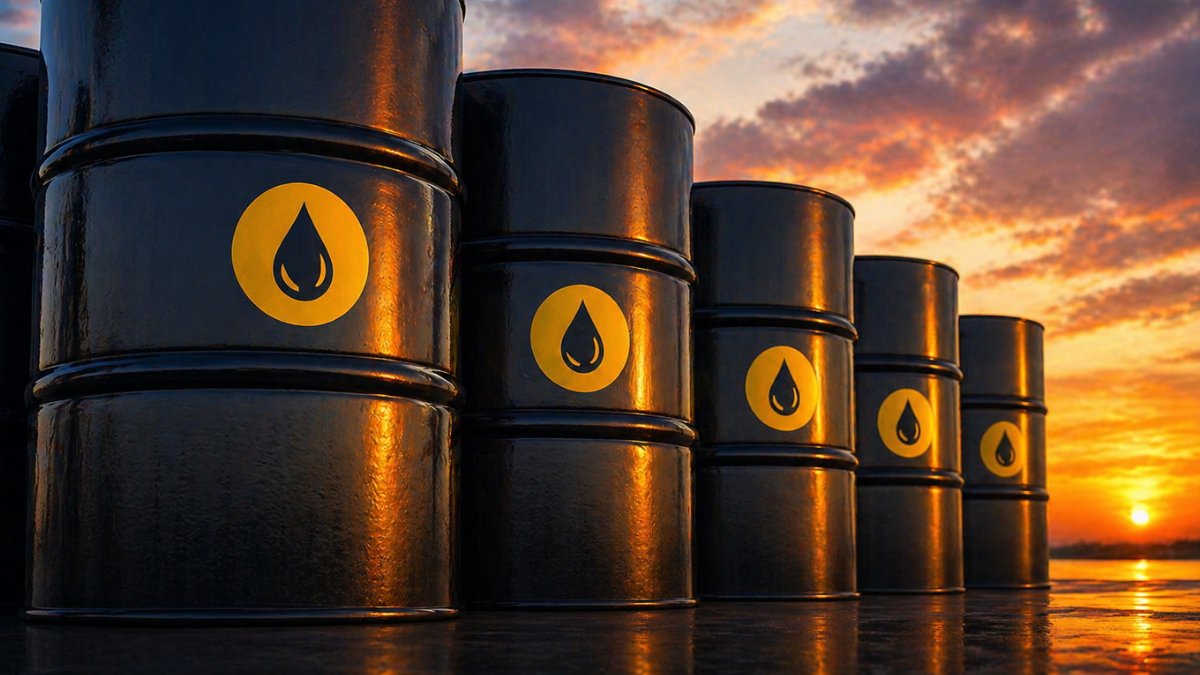
UAE exit OPEC impact on oil prices. Image courtesy: AI

The United Arab Emirates (UAE), on Tuesday (April 28, 2026), said it would leave OPEC, an apex body of oil-producing Gulf nations, on May 1, amidst uncertainty over the West Asian war between the US-Israel combine and Iran ending anytime soon.
The UAE, the third largest producer of oil, said it was quitting the apex body, further weakening its leverage over the global oil supplies and prices.
The UAE’s decision, which was speculated for a while now, was a push back against OPEC production quotas it felt were unfair to its capacities, meaning it wasn’t able to sell as much oil as it wanted.
Qatar, another OPEC member, exited the body in 2019, which loosened the ties binding the OPEC nations. The UAE, analysts said, had been wanting to produce more oil, having invested heavily in expanding its pumping capacities in recent years.
The regional politics, too, were cited as a reason for the UAE’s decision, particularly its frosty ties with Saudi Arabia, the largest producer of oil among the OPEC nations, over political and economic issues in West Asia.
Both the UAE and Saudi Arabia came under attack from another OPEC member, Iran, during the course of the present West Asian war with the US and Israel.
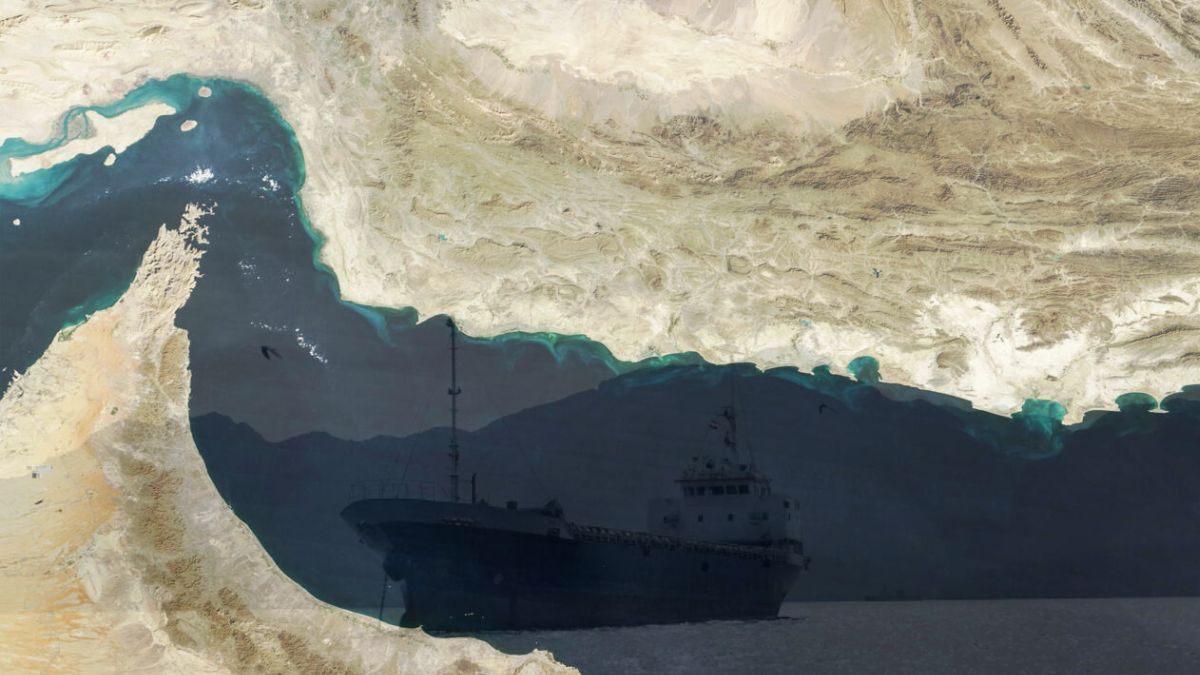
The UAE’s withdrawal from OPEC won’t immediately hit the oil markets, as the supplies have sharply declined in the last couple of months due to the West Asian war. The blockade of the Strait of Hormuz by Iran contributed to the decline in supplies.
OPEC nations together contributed nearly 40% of the world’s oil output, but their market power had waned in recent years, as the US ramped up oil production of its own, touching 13 million barrels a day compared to Saudi Arabia’s 10 million barrels a day.
The UAE produced only 3.4 million barrels a day just before the US-Israel war on Iran began on February 28 but had a capacity to produce 5 million barrels a day.
In its announcement on quitting OPEC, the UAE said it would leave the wider OPEC+ group as well, which is led by Russia, to stabilise the oil prices.
“This decision reflects the UAE’s long-term strategic and economic vision and evolving energy profile, including accelerated investment in domestic energy production,” the UAE said, adding that it would bring “additional production to market in a gradual and measured manner, aligned with demand and market conditions.”
Meanwhile, US President Donald Trump claimed Iran had informed him that it was in a “state of collapse” and was figuring out its leadership situation, as efforts to end the war had faced an impasse after he was unhappy with the Iranian proposals to end the conflict.
Iran, through Pakistan, conveyed to the US last week that it wanted its nuclear programme question to be addressed later, but the issues on reopening the Strait of Hormuz and lifting of economic sanctions on it could be discussed first to end the two-month war in West Asia.
However, Trump insisted that nuclear issues need to be dealt with first, according to an American official. In a Trust Social post, Trump said: “Iran has just informed us that they are in a ‘State of Collapse’. They want us to ‘Open the Hormuz Strait’, as soon as possible, as they try to figure out their leadership situation (Which I believe they will be able to do!). Thank you for your attention to this matter!”
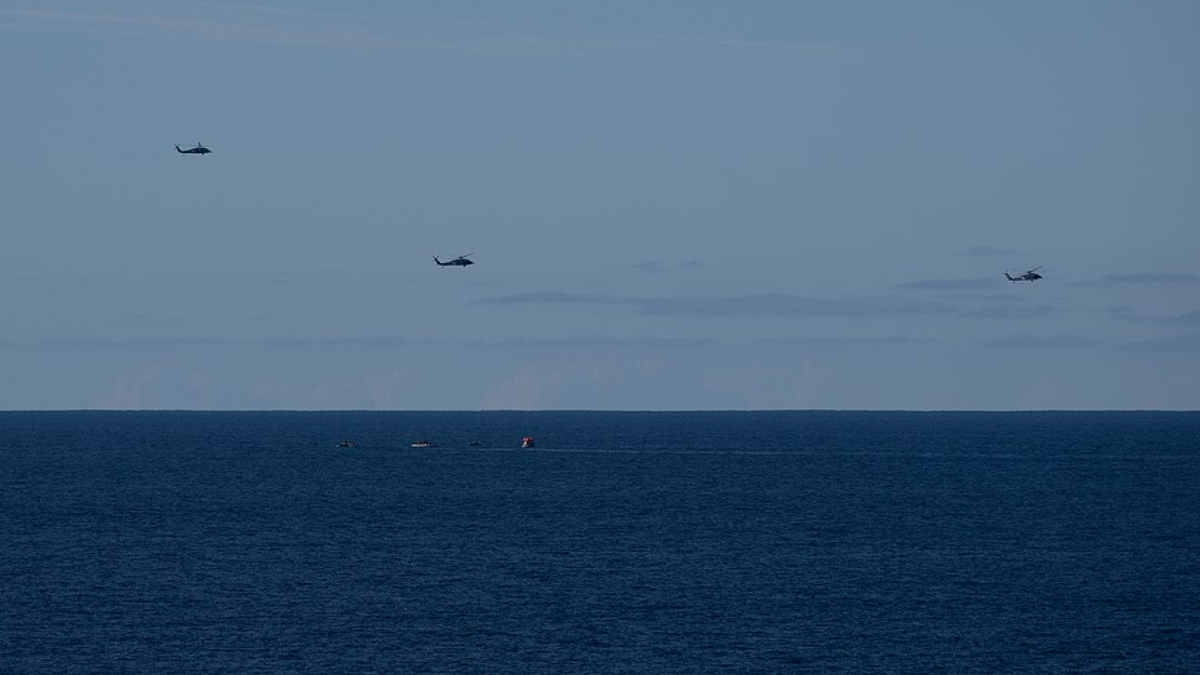
In the Arabian Sea, meanwhile, US Marines boarded a commercial vessel, suspecting it to be heading to an Iranian port, breaching the American naval blockade.
The US Central Command (CENTCOM) said MV Blue Star III was searched and released after ascertaining that it was not headed to any Iranian port.
“Earlier today in the Arabian Sea, U.S. Marines from the 31st Marine Expeditionary Unit Boarded M/V Blue Star III, a commercial ship suspected of attempting to transit to Iran in violation of the U.S. blockade of Iranian ports,” CENTCOM wrote on X on Tuesday (April 28).
CENTCOM said US forces released the vessel after conducting a search and confirming the ship’s voyage would not include an Iranian port call. It added that 39 vessels have been “redirected to ensure compliance” with the blockade.