
Another India-Pakistan Conflict In 2026? US Think Tank Predicts A ‘Moderate Likelihood’

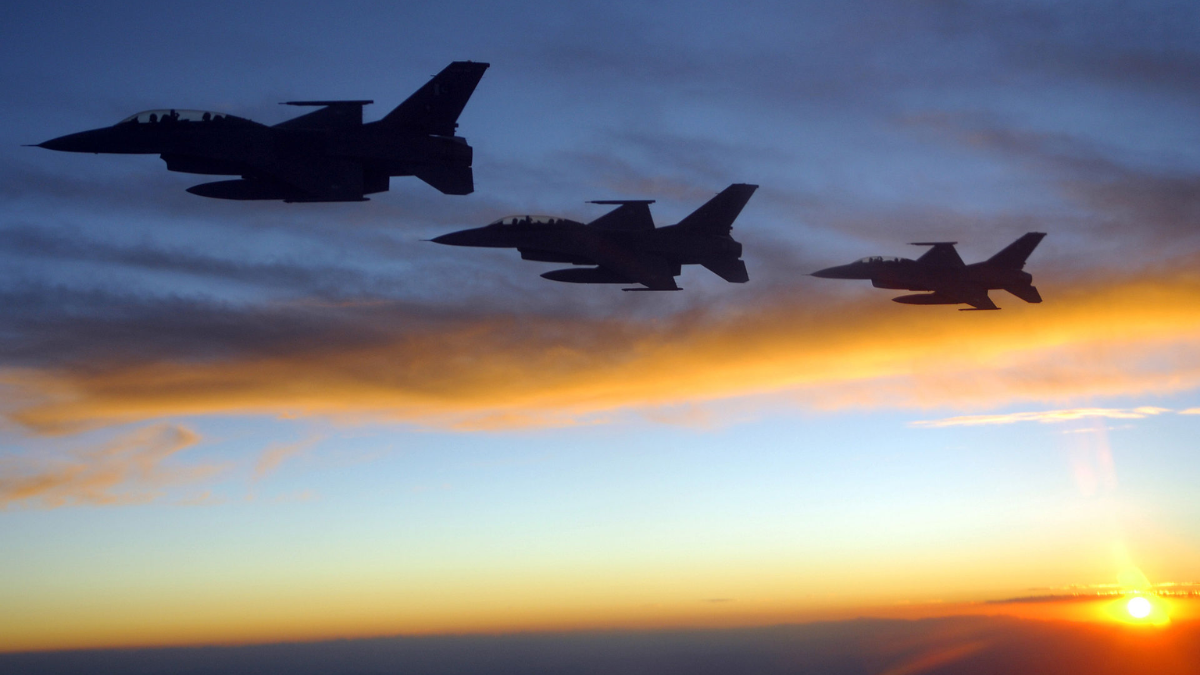
A US think tank report says that clashes between India and Pakistan could develop into a flashpoint in 2026. Image courtesy: AI-generated picture via Sora

A leading American think tank has warned that India and Pakistan could face another military confrontation in 2026, driven by terrorism originating from Pakistan. The Council on Foreign Relations (CFR), in its annual Preventive Priorities Survey, placed this scenario under its Tier II category, indicating a “Moderate Likelihood and Moderate Impact” on US interests.
In the survey titled ‘Conflicts to Watch in 2026’, released on December 18, 2025, CFR has predicted a “renewed armed conflict between India and Pakistan due to heightened terrorist activity and repression in Indian-administered Kashmir”. Worth mentioning here is that Indian security forces have foiled several infiltration bids in the past few months.
CFR survey has pointed out that despite a ceasefire reached earlier this year in May (after tensions escalated during Operation Sindoor), the underlying drivers of conflict remain intact. It noted that a terrorist attack on Indian soil, traced back to Pakistan-based groups, could trigger fresh hostilities between the two nuclear-armed neighbours.
India-Pakistan conflict in 2026: Will Kashmir be the reason?
Mentioning the likelihood of tensions between New Delhi and Islamabad next year, the survey noted, “Renewed armed conflict between India and Pakistan due to heightened terrorist activity and repression in Indian-administered Kashmir,” in the ‘Moderate Likelihood; Moderate Impact’ section.
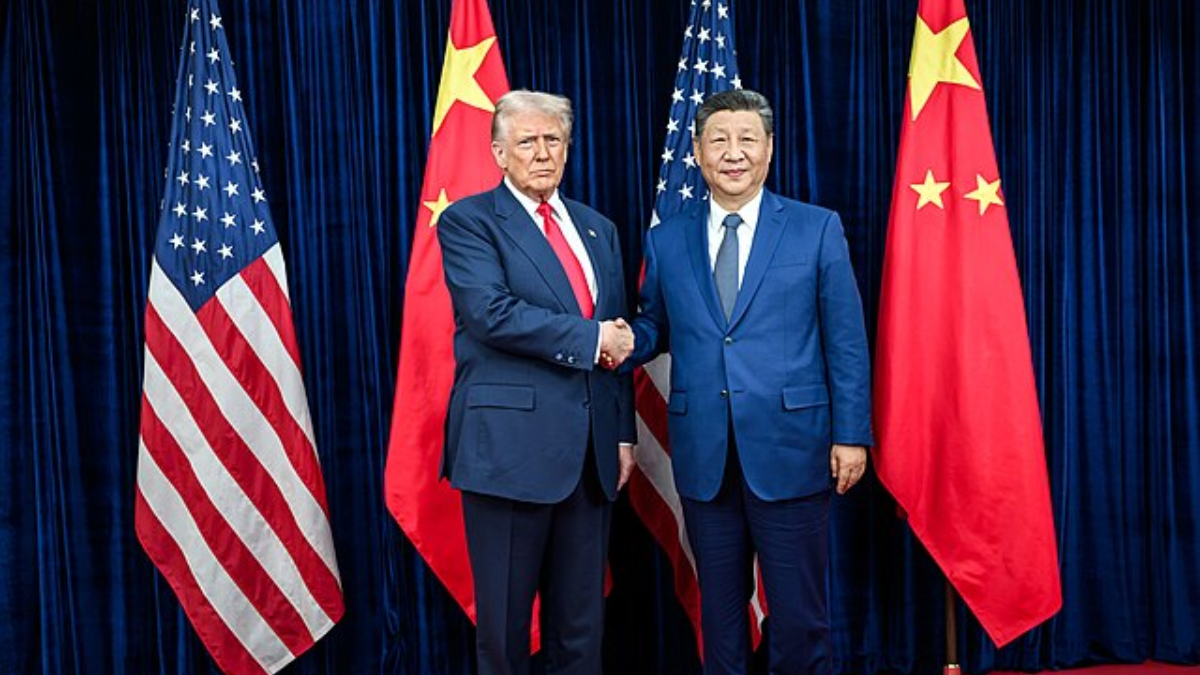
“The second Trump administration has sought to end many ongoing conflicts, such as those in the Democratic Republic of Congo, the Gaza Strip, and Ukraine, as well as between India and Pakistan and Cambodia and Thailand,” it stated.
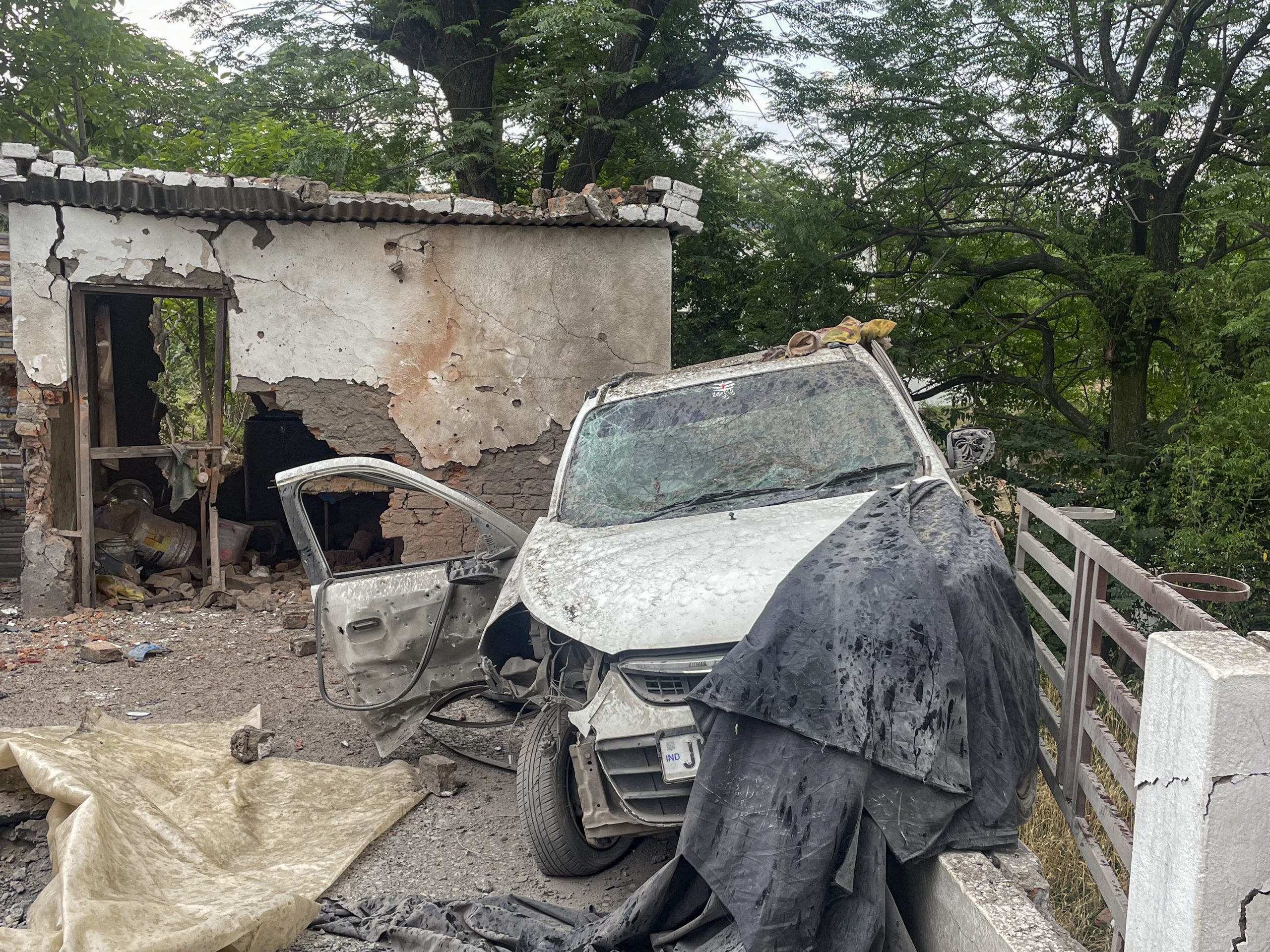
The warning comes around eight months after a brief but intense military crisis between the two nuclear-armed nations in May 2025. The four-day face-off during Op Sindoor followed a deadly terror strike in Jammu and Kashmir’s Pahalgam that killed 26 civilians. In response, India launched Operation Sindoor on May 7, targeting terrorist camps in Pakistan and PoK. Indian armed forces destroyed nine camps and eliminated over 100 militants.
Pakistan to also see tensions with Afghanistan?
Hostilities between Pakistan and Afghanistan heightened in October 2025, when Islamabad launched airstrikes on Kabul. The timing notably co-incided with Taliban’s Foreign Minister Amir Khan Muttaqi’s first visit to India, since the group’s takeover in 2021.
In addition to the conflict with India, the CFR survey has also flagged a moderate risk of armed conflict between Pakistan and Taliban-led Afghanistan in 2026, citing resurgent cross-border militant attacks.
Report mentions US-Venezuela in High Impact
Beyond South Asia, the survey highlighted other global flashpoints, including the ongoing Russia–Ukraine war, the Gaza conflict, and US–Venezuela tensions. It also warned of rising instability in East Asia due to North Korea’s missile activity and China’s pressure on Taiwan.
The Preventive Priorities Survey was conducted in three stages: soliciting possible contingencies, polling around 620 foreign policy experts, and ranking conflicts based on likelihood and impact. Thirty scenarios were identified as plausible in 2026 and potentially harmful to US interests.
The report mentioned the below three stages methodology:
1. Soliciting PPS Contingencies: In October 2025, CPA harnessed various social media platforms to solicit suggestions about possible conflicts to include in the survey. With the help of the Council on Foreign Relations’ in-house regional experts, CPA narrowed down the list of possible conflicts to thirty contingencies deemed both plausible in 2026 and potentially harmful to U.S. interests.
2. Polling Foreign Policy Experts: In November 2025, the survey was sent to approximately 15,000 U.S. government officials, foreign policy experts, and academics, of whom approximately 620 responded. Each was asked to estimate the impact on U.S. interests and the likelihood of each contingency according to general guidelines.
3. Ranking the Conflicts: The survey results were then scored according to their ranking, and the contingencies were subsequently sorted into one of three preventive priority tiers (I, II, and III) according to their placement on the accompanying risk assessment matrix.
Meanwhile, with terrorism and regional rivalries persisting, the CFR’s findings underscore the fragile security environment in South Asia and the need for sustained diplomatic engagement to prevent escalation.