We Mediated To Build A Fairer World: China Copies Trump, Claims Peacemaker Role In India-Pakistan Crisis
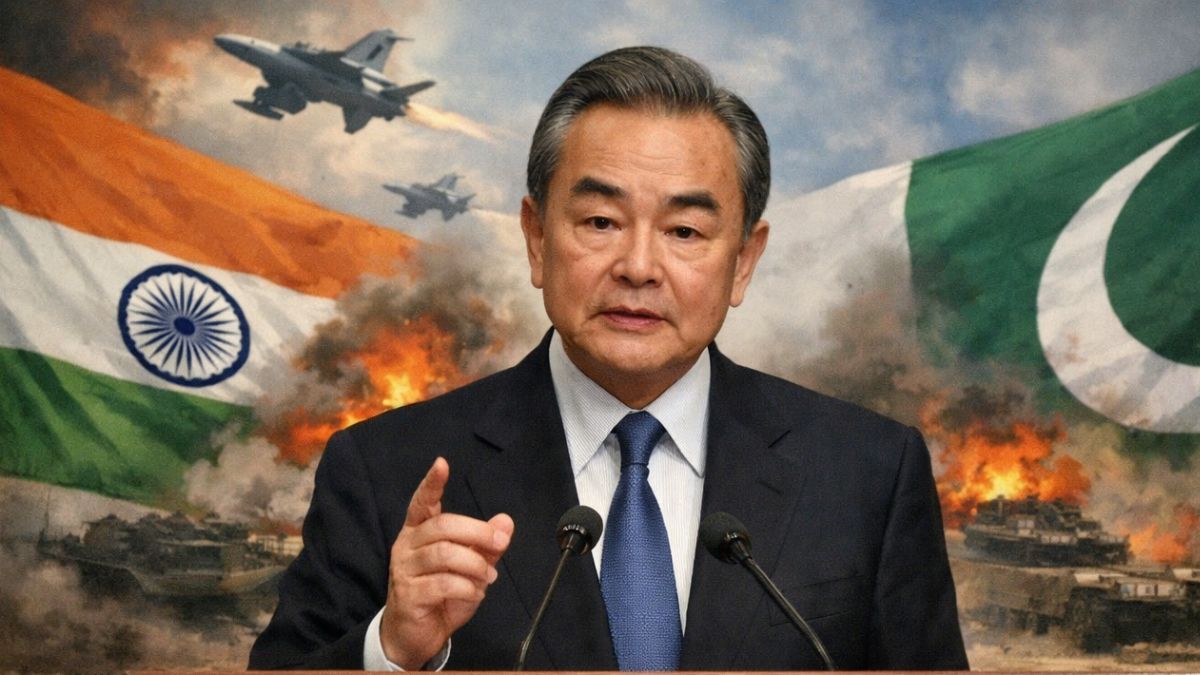
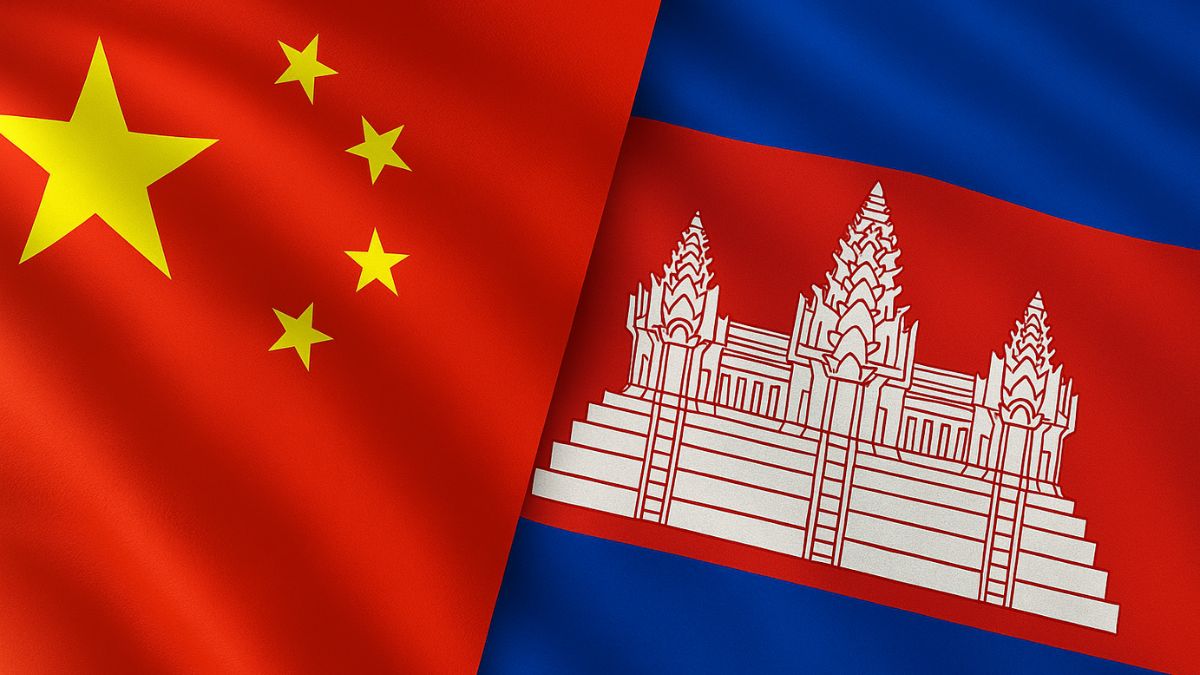
China’s involvement during the India-Pak conflict had come under focus, over claims that it provided Islamabad real-time surveillance inputs. Image courtesy: AI-generated picture via Sora

India and Pakistan were engaged in a deadly four-day clash in May 2025 as Indian Armed Forces launched Operation Sindoor in the aftermath of the April 22 Pahalgam terror attack. The conflict ended after both the sides agreed on a ceasefire after DGMO-level talks. However, China is now claiming credit in having mediated during the intense fight.
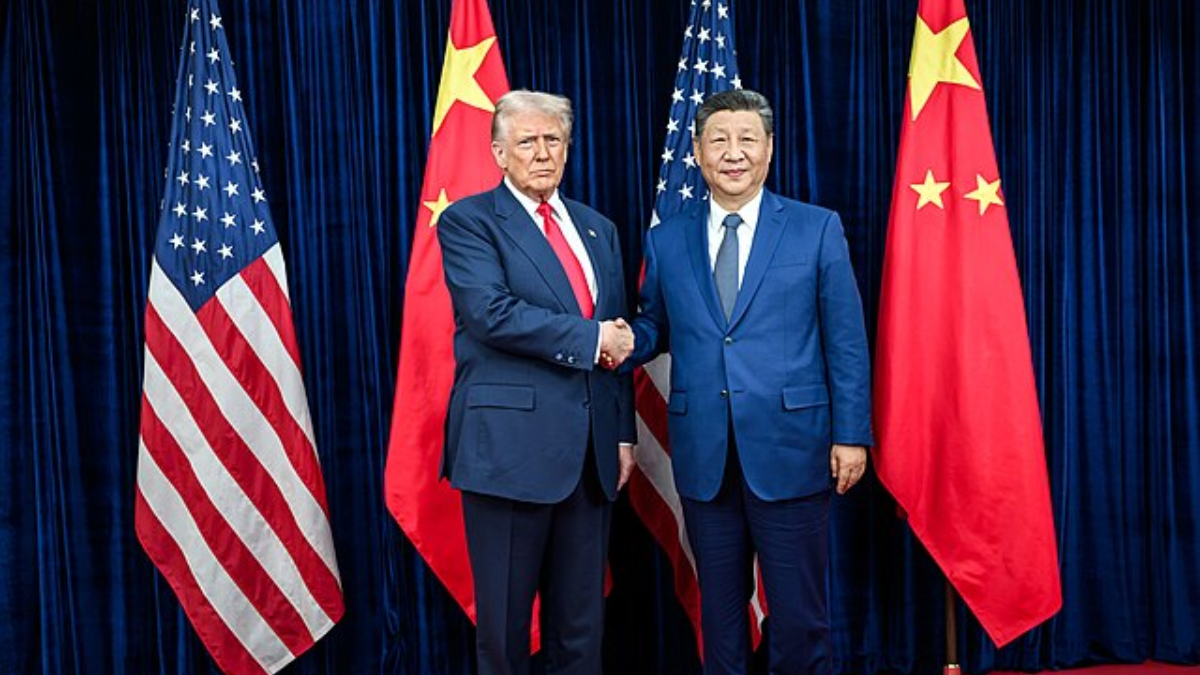
US President Donald Trump has oftem claimed that it was him who brokered a truce between India and Pakistan during the May 2025 conflict and how his trade warning led to a ceasefire. Now, echoing his tune is China, whose Foreign Minister has said that they mediated during the tensions between Pakistan and India.
China has once again projected itself as a global peace broker, with FM Wang Yi claiming that Beijing played a mediating role in easing the brief but intense India-Pakistan military confrontation in May. The assertion, made at a high-level diplomatic symposium in Beijing, has raised eyebrows internationally, particularly as China itself remains locked in escalating tensions with the US and Japan in the Indo-Pacific.
China’s mediation claims during India-Pak conflict: What did Wang Yi say?
Speaking at the Symposium on the International Situation and China’s Foreign Relations, Wang said China had adopted an “objective and just stance” to help resolve global conflicts by addressing both “symptoms and root causes.” He added that 2025 had witnessed more local wars and cross-border conflicts than at any time since World War II.
With this, he argued that that China’s diplomatic approach had helped stabilise several hotspots. “Following this Chinese approach to settling hotspot issues, we mediated in northern Myanmar, the Iranian nuclear issue, the tensions between Pakistan and India, the issues between Palestine and Israel, and the recent conflict between Cambodia and Thailand.”
The claim places the India-Pakistan standoff, sparked by the April 22 terror attack in Pahalgam, Jammu and Kashmir, among a list of conflicts where Beijing asserts it has exercised quiet but effective diplomacy.
‘To build a fairer world…’
Wang Yi noted that China has stood firm on the right side of history when it comes to central questions about right and wrong, questions that challenge international justice, “to build a fairer world”.
“We have unequivocally opposed hegemonism and power politics, and we have done our best to provide both moral and practical support to countries suffering injustice. Tariff and trade wars hurt the legitimate rights and interests of countries around the world, and undermine the multilateral trading system.”
There was no interference in the internal affairs of others, no incitement, no biased manipulation, and no selfish gains, the Chinese said claimed, suggesting that there was only sincerity and good faith. “Our principles and hard work will stand the test of history,” he stated.
Why are China’s claims being questioned?
China’s assertions come despite New Delhi’s consistent and categorical rejection of any third-party mediation in the May confrontation. Indian officials have repeatedly stated that the four-day conflict was de-escalated through direct military-to-military communication between India and Pakistan.
The credibility of Beijing’s claims has also been undermined by allegations that China provided military and strategic assistance to Pakistan during the conflict, prompting accusations that it was far from a neutral actor.
India flags China’s role during Operation Sindoor
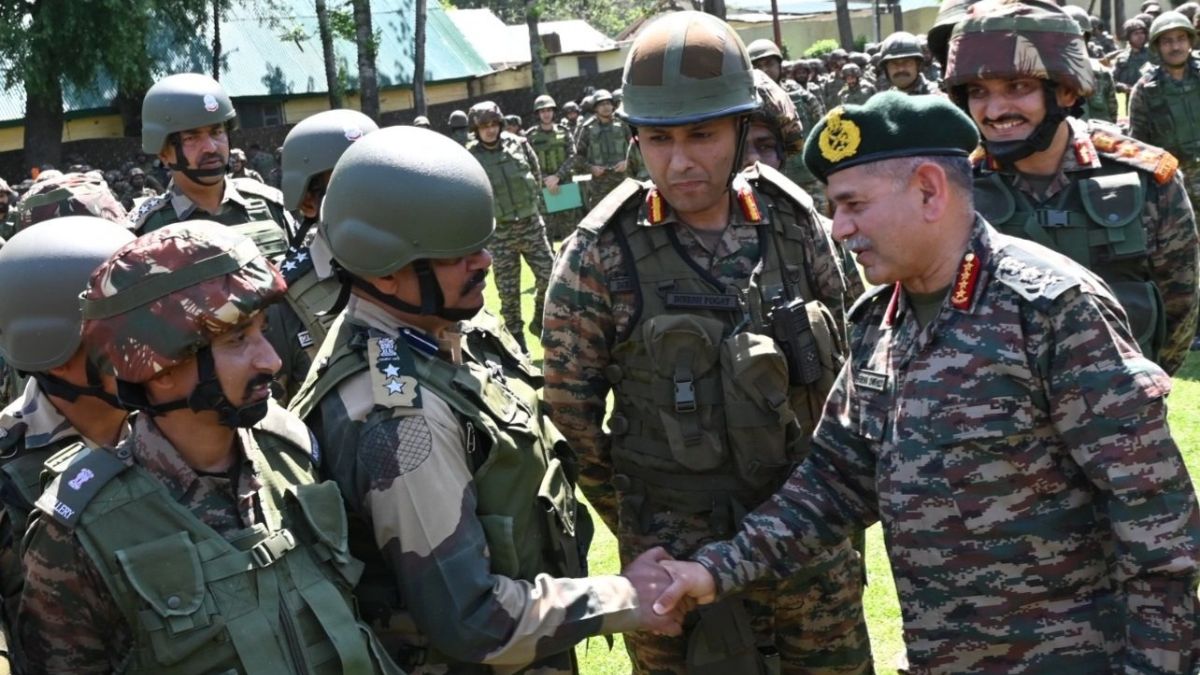
India’s Deputy Chief of Army Staff Lt General Rahul R. Singh had earlier described the confrontation as a “live lab” for China, suggesting Beijing used the crisis to observe and test military strategies indirectly.
Without naming China explicitly at the time, Gen Singh accused Beijing of employing tactics drawn from its ancient military doctrine, including the concept of “killing with a borrowed knife”, a veiled reference to supporting Pakistan to strategically weaken India.
What did Operation Sindoor achieve on the ground?
The Indian Army on Tuesday (December 30, 2025) highlighted key operational successes achieved during Operation Sindoor, launched in response to the Pahalgam terror attack that killed 26 civilians. According to the Army, nine terror camps across the border were destroyed, seven by the Indian Army and two by the Indian Air Force.
More than a dozen terror launch pads along the Line of Control were also neutralised using ground-based weapons. Pakistan’s attempts to target Indian military and civilian assets using drones were foiled by Indian air defence systems, preventing casualties and damage.
How did the India-Pak conflict end?
India has maintained that the ceasefire was initiated by Pakistan after it sustained significant military damage. The Indian Army said Pakistan’s Director General of Military Operations approached his Indian counterpart, following which both sides agreed to halt firing and military action across land, air and sea with effect from May 10.
New Delhi has reiterated that the outcome was the result of direct engagement, not international mediation.