Ahead of PM Modi’s Israel Visit, India Hosts Arab League’s Foreign Ministers in Delhi
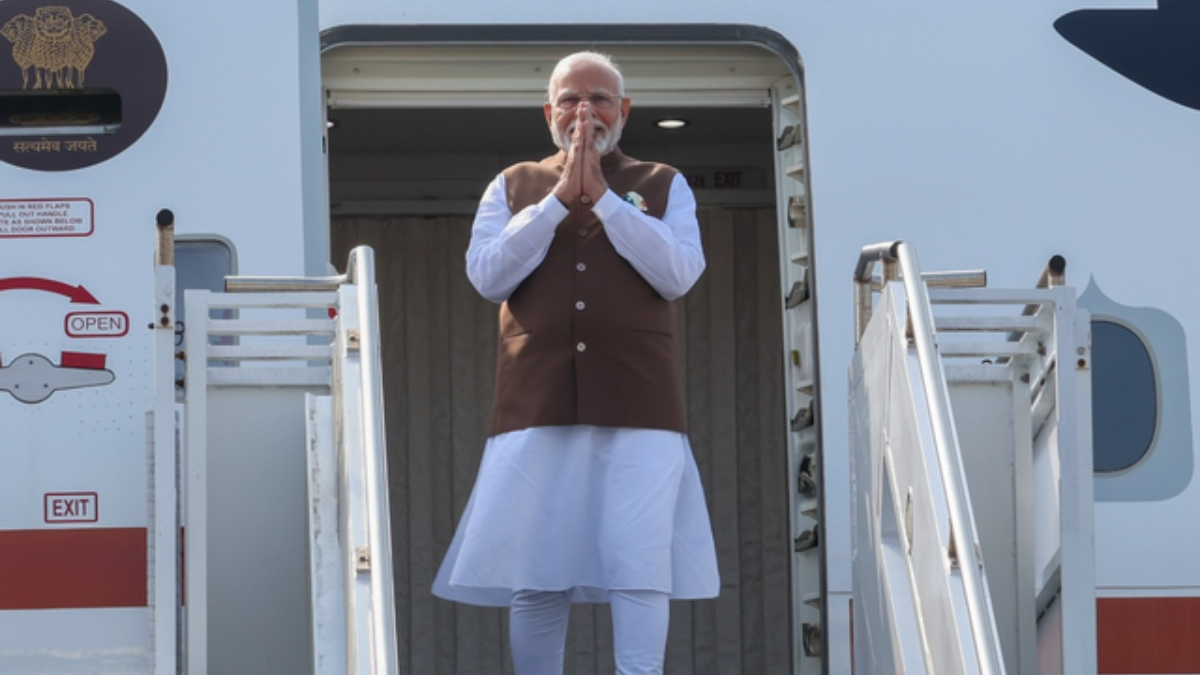
India hosts Arab ministers ahead of Prime Minister Narendra Modi Israel visit

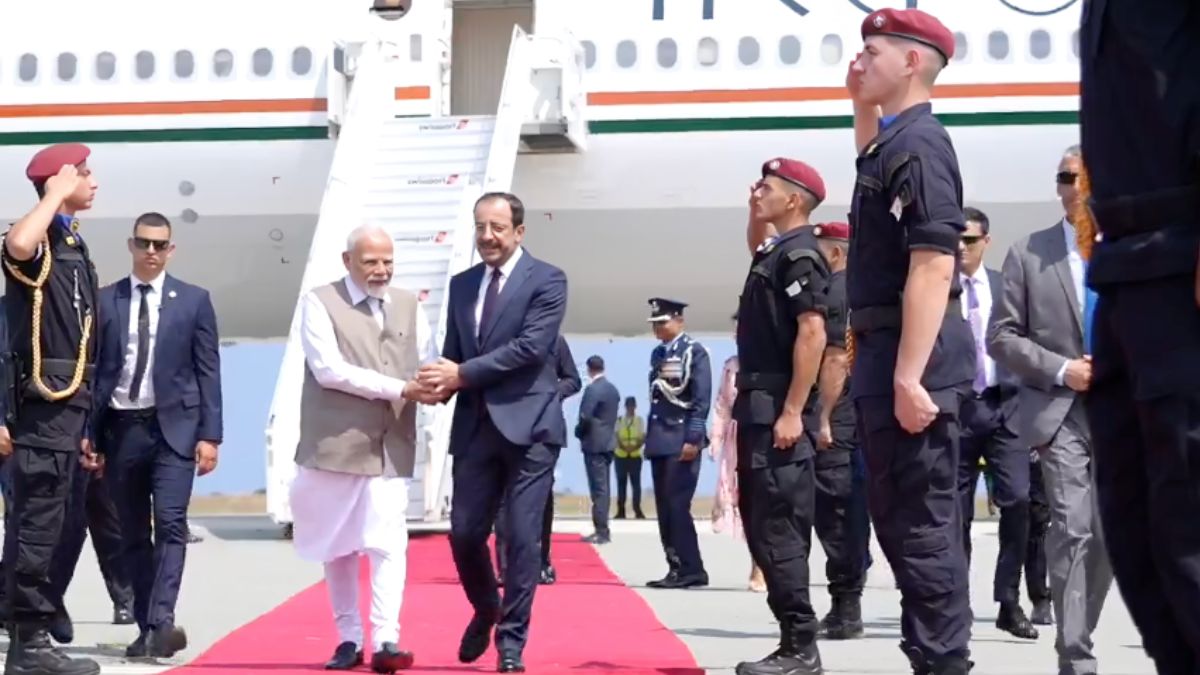
As India is preparing for Prime Minister Narendra Modi’s visit to Israel in February 2026, New Delhi hosted the foreign ministers of Arab League nations and its Secretary General for the 2nd India-Arab meet to discuss their growing bilateral ties in various sectors, including energy, trade, education, media and culture.
Modi’s visit to Israel is likely to provide a fresh impetus to the already strong strategic relationship that the two nations enjoy.
Israel’s Ambassador to India Reuven Azar had indicated in interactions with an Indian media house that Modi’s visit would be followed by Israeli Prime Minister Benjamin Netanyahu’s long awaited reciprocal visit to India.
If PM Modi visit Israel in February, it would indicate a convergence of interests for the two nations, even as the world is going through a geopolitical churn.
India and Israel already have a robust cooperation in sectors such as defence, emerging technologies, counter-terrorism, and trade.
Azar mentioned that Netanyahu had formally invited Modi to visit Israel and that preparations were afoot to host the Indian Prime Minister at the earliest possible opportunity.
“We hope to see him soon. We confirm that Prime Minister Netanyahu has invited him, and we hope to be able to see him as soon as possible,” Azar was quoted as saying without providing much details.
India’s External Affairs Minister Dr S. Jaishankar and Commerce and Industry Minister Piyush Goyal had recently visited Israel on an official visit, with a huge successful outcomes. The two countries expanded their cooperation in cyber security, space and innovation.
In the meeting in 2026, Modi and Netanyahu are likely to discuss global and regional geopolitical developments, including West Asian security situation that had deteriorated in recent days due to Iran’s domestic unrest and the US threat to intervene militarily there.
Modi had last visited Israel in 2017, becoming the first Indian PM to do so. Then, Modi had delinked his visit to Israel to his visit to Palestine, rehyphenating the two bilateral ties, going beyond the traditional way of engaging the two nations.
However, in a balancing act this time around, India will host the foreign ministers of the Arab League in New Delhi on (Saturday) January 31, 2026, under the 2nd India-Arab Foreign Minister Meet (FMM) after a gap of 10 years.
The last meeting of the India-Arab Foreign Ministers took place in 2016 in Bahrain, when the two sides had identified five priority verticals of cooperation: economy, energy, education, media and culture and proposed a set of activities across these verticals, according to a Ministry of External Affairs statement on (Thursday) January 29, 2026.
This time around, the meeting would be co-chaired by India and the UAE. Foreign Ministers of other Arab League Member States and Arab League Secretary General would participate in the meeting.
The 2nd India-Arab FMM would build on the existing cooperation, expanding and deepening the partnership. India is an Observer to the League of Arab States, a pan Arab body with 22 member States.
The India-Arab FMM is the highest institutional mechanism driving this partnership, which was formalised in March 2002 when India and League of Arab States (LAS) signed an MoU institutionalising the process of dialogue, the MEA said.
A Memorandum of Cooperation was signed for the establishment of Arab-India Cooperation Forum during the visit of the then Arab League Secretary General Amre Moussa to India in December 2008, which was subsequently revised in 2013 in terms of structural organisation.
“This is the first India-Arab FMM to be hosted by India in New Delhi and will see participation by all 22 Arab countries by Foreign Ministers, other Ministers, Ministers of State and other Senior Officials and Arab League,” it said.
On Friday (January 30, 2026), India hosted 4th India-Arab Senior Officials’ Meeting ahead of the India-Arab FMM. The outcomes from the senior officials’ meeting are yet to be released.