Security Forces Near Final Blow To Red Corridor Dream: Amit Shah Says India Will Be Maoist-Free By March 31
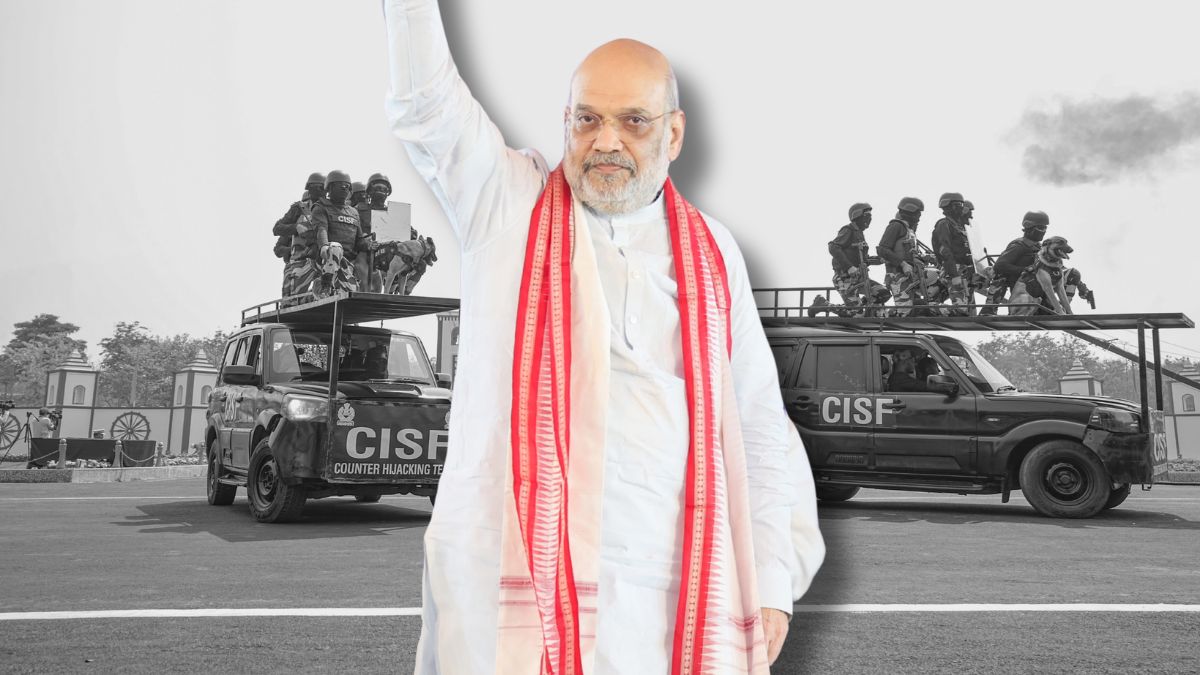
Home Minister Amit Shah reaffirmed that our forces will defeat those who dream of building a red corridor from Tirupati to Pashupati. Image courtesy: RNA

It was a few years ago that the Modi government had declared that it would completey eliminate left wing terrorism to make India ‘Naxal free’ by March 2026. As the deadline nears, Union Home Minister Amit Shah has reitirated the government’s firm target of making every Naxal-affected area completely Naxal-free by March 31, 2026.
He declared that India is on the verge of eliminating Maoist insurgency, asserting that the country could become “Maoist-free by March 31, 2026.”
Speaking at the 57th Raising Day celebrations of the Central Industrial Security Force (CISF) in Odisha’s Cuttack, Shah said the government’s strategy and sustained operations by armed forces have pushed left-wing extremism to its final phase. “I want to assure the that the country will be Maoist-free by March 31. Our forces will defeat those who dream of building a red corridor from Tirupati to Pashupati.”
What was the ‘Red Corridor’ vision?
For years, Maoist groups had aimed to establish a continuous insurgent belt stretching from Tirupati in southern India to Pashupati in Nepal, often referred to as the “Red Corridor.” At its peak, the insurgency affected dozens of districts across states such as Chhattisgarh, Jharkhand, Odisha, Maharashtra, and Andhra Pradesh.
However, sustained security operations, infrastructure development and targeted intelligence-based actions have shrunk Maoist influence significantly over the past decade, according to government data.
Shah said security forces are now capable of completely dismantling the remaining Maoist networks, reflecting the Modi government’s ambitious national security goal of eradicating the decades-long Maoist insurgency that once spread across large parts of central and eastern India.
How security forces pushed Maoists to the brink
The Home Minister credited the progress to coordinated counter-insurgency operations and improved intelligence sharing among central and state forces.
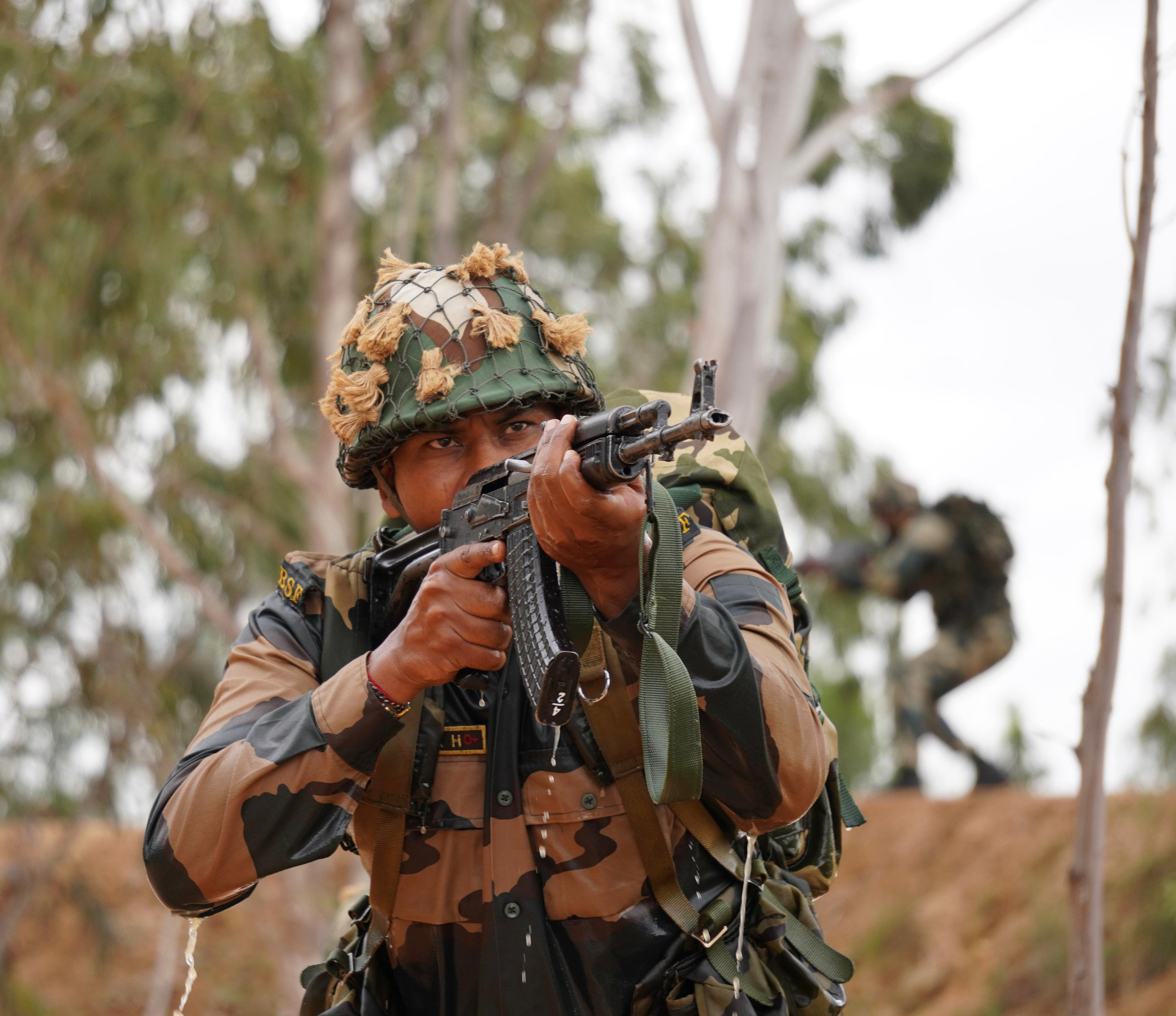
Under the current government, security agencies have intensified area domination operations, modern surveillance and infrastructure expansion in remote regions, making it increasingly difficult for Maoist groups to operate.
“Our security forces have lived up to the expectations of the nation, and the country is now on the verge of eliminating red rebels,” Shah said. The government has repeatedly highlighted the sharp decline in Maoist violence, casualties and affected districts over the last decade.
Worth mentioning here is that last month, top Maoist commander and the organisation’s key “strategist” Thippiri Tirupati alias Devji surrendered. Hailing from Telangana’s Jagtial district, he had a bounty of Rs 1 crore on his head and is credited with creating the People’s Liberation Guerrilla Army (PLGA).
Internal security key to ‘Viksit Bharat 2047’
Linking the anti-Maoist campaign to India’s long-term development vision, Shah said internal security is the foundation for economic growth. PM Narendra Modi has set the goal of building a “Viksit Bharat” (Developed India) by 2047, and Shah stressed that eliminating internal threats is essential for achieving that target.
“In order to achieve the goal of Viksit Bharat by 2047, ensuring internal security is the most important ingredient,” he said.
According to the Home Minister, peace and stability allow industries, infrastructure and investment to flourish in regions that were once affected by insurgency.
How CISF supports India’s economic security
Shah also praised the Central Industrial Security Force (CISF) for playing a crucial role in safeguarding critical infrastructure across the country. From Parliament and airports to reservoirs, energy facilities and major industrial projects, CISF personnel protect assets that are vital for India’s economic and strategic interests.
“The CISF acts as a catalyst for the country’s economic growth by ensuring security for major installations,” Shah said.
He noted that industrial peace and security are essential for sustained economic development, highlighting the importance of strong security institutions in supporting India’s growth trajectory.
A turning point in India’s counter-insurgency campaign?
If the government’s target is achieved, the elimination of Maoist insurgency would mark one of the most significant internal security victories in modern India. For decades, Maoism was described by former Prime Minister Manmohan Singh as the country’s “biggest internal security challenge.”
Now, the government says the insurgency is nearing its final chapter, potentially bringing long-awaited stability to regions that were once at the heart of India’s Red Corridor.