Iran-Linked Oil Tanker Seized By US Forces Amid Hormuz Blockade, Pentagon Says Will Continue To Deny Illicit Actors
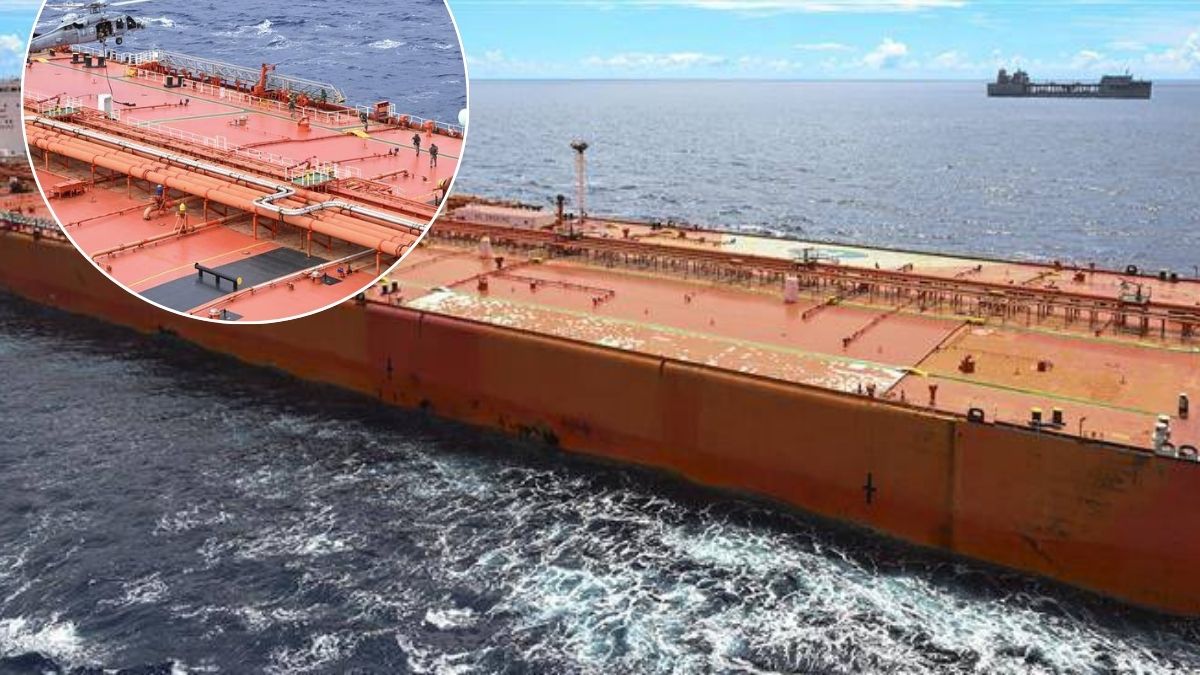
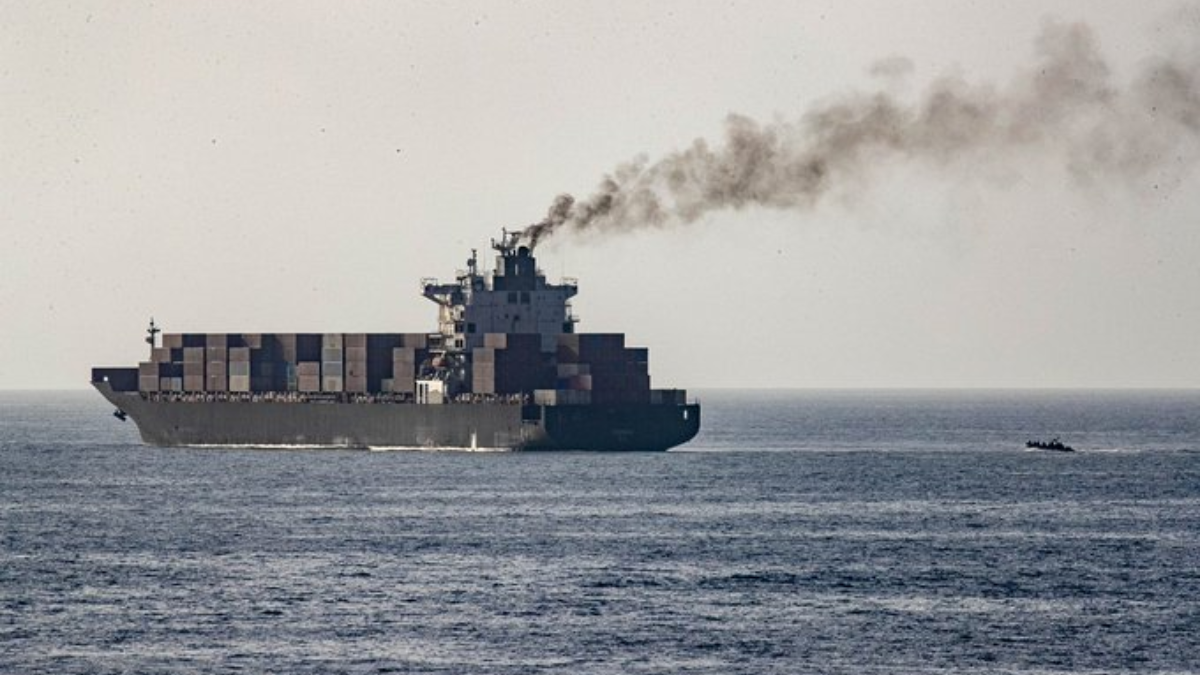
The move comes amid the US blockade of Iranian ports, which was then extended to all Iranian-flagged ships along with any vessel that provides material support to the country. Image courtesy: RNA

Amid the ongoing fragile US-Iran ceasefire, the situation in Strait of Hormuz remains tense, with the United States continuing its blockade of the crucial maritime route. Marking a major escalation of maritime enforcement amid the ongoing West Asia conflict, US forces have boarded an oil tanker linked to Iranian crude shipments in the Bay of Bengal.
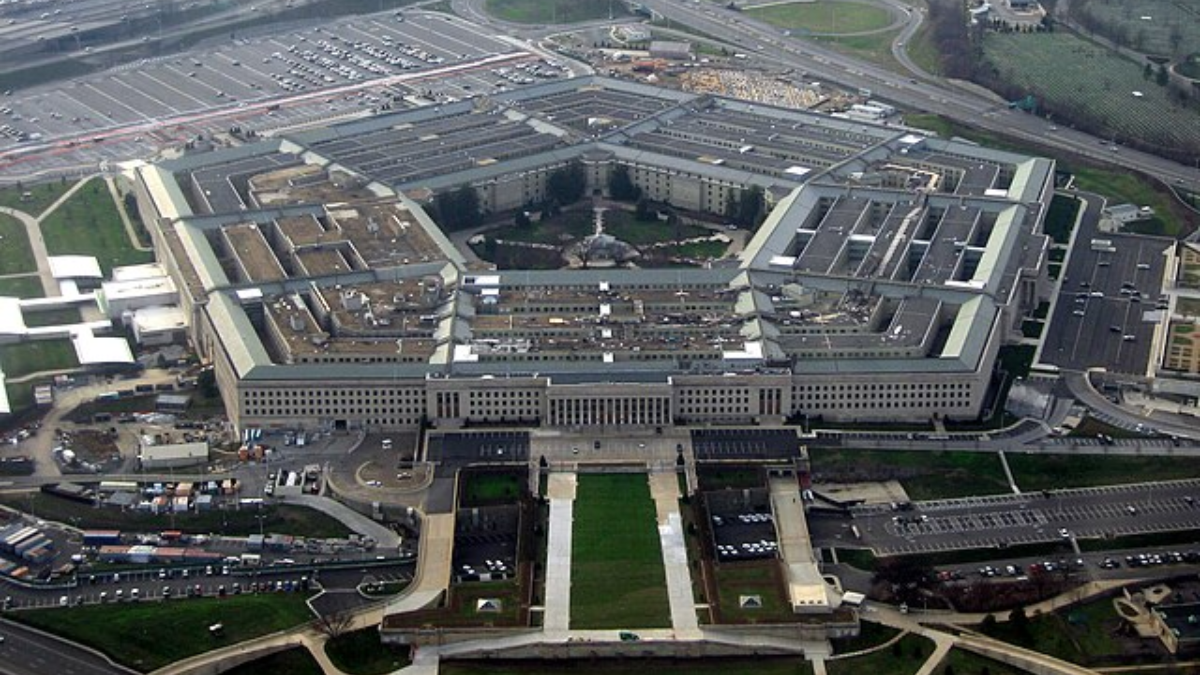
The Pentagon confirmed the development on Tuesday (April 21, 2026) saying that US forces “conducted a right-of-visit maritime interdiction” of the M/T Tifani “without incident,” marking the latest in a series of aggressive actions targeting vessels suspected of supporting Tehran.
What triggered the latest US maritime action against an Iranian-linked tanker?
Previously sanctioned for allegedly smuggling Iranian oil in Asia, the tanker was intercepted as part of what US officials describe as a broader global crackdown on networks aiding Iran’s energy exports and military supply chains. The Pentagon underlined that it will continue its crackdown against illicit networks.
“As we have made clear, we will pursue global maritime enforcement efforts to disrupt illicit networks and interdict sanctioned vessels providing material support to Iran, anywhere they operate,” the Pentagon said, adding, “International waters are not a refuge for sanctioned vessels.”
The move comes shortly after President Donald Trump extended a tenuous ceasefire in the Iran war, at Pakistan’s request, while making it clear that the US blockade of Iranian ports would remain firmly in place.
Where was the vessel intercepted and what was it carrying?
According to a US defence official, the M/T Tifani was intercepted in the Bay of Bengal, between India and Southeast Asia, and was carrying Iranian crude oil at the time of boarding. The Pentagon described the tanker as “stateless,” despite it reportedly sailing under a Botswana flag, raising further legal and operational questions.
US authorities said a decision on the vessel’s fate, whether to tow it to the United States or transfer custody to another country, will be taken within the next four days.
How is Washington justifying expanded global enforcement operations?
The interception underscores Washington’s widening maritime strategy, extending far beyond the Strait of Hormuz and the US Central Command’s traditional area of responsibility. Gen. Dan Caine, chairman of the Joint Chiefs of Staff, had earlier indicated that enforcement operations would span multiple regions, including the Pacific.
US forces, he said, “will actively pursue any Iranian-flagged vessel or any vessel attempting to provide material support to Iran,” including those that departed before the blockade began, according to a report by news agency Associated Press.
A recent US notice also outlined an expansive definition of contraband, stating that any goods “destined for an enemy and that may be susceptible to use in armed conflict” are “subject to capture at any place beyond neutral territory.”
Is the fragile US-Iran ceasefire already under strain?
The latest interdiction follows a series of confrontations at sea, including the US Navy’s seizure of an Iranian-flagged cargo ship, the Touska, just days earlier. President Trump had claimed that an American destroyer “blew a hole” in the vessel’s engine room during the operation.
Iranian Foreign Minister Abbas Araghchi sharply criticised the US move, calling the blockade a violation of the ceasefire and warning that “striking a commercial vessel and taking its crew hostage is an even greater violation.” Tehran has formally approached the United Nations, urging the Security Council and Secretary-General António Guterres to condemn the actions.
Meanwhile, the US actions only signal a tightening of maritime pressure on Iran even as diplomatic channels remain uncertain. With the Strait of Hormuz already under severe strain and global energy routes disrupted, the extension of enforcement operations underlines the widening scope of the conflict.