Bangladesh Foreign Minister Khalilur Rahman Expected To Visit India Amid Push To Rebuild Ties After 18-Month Chill
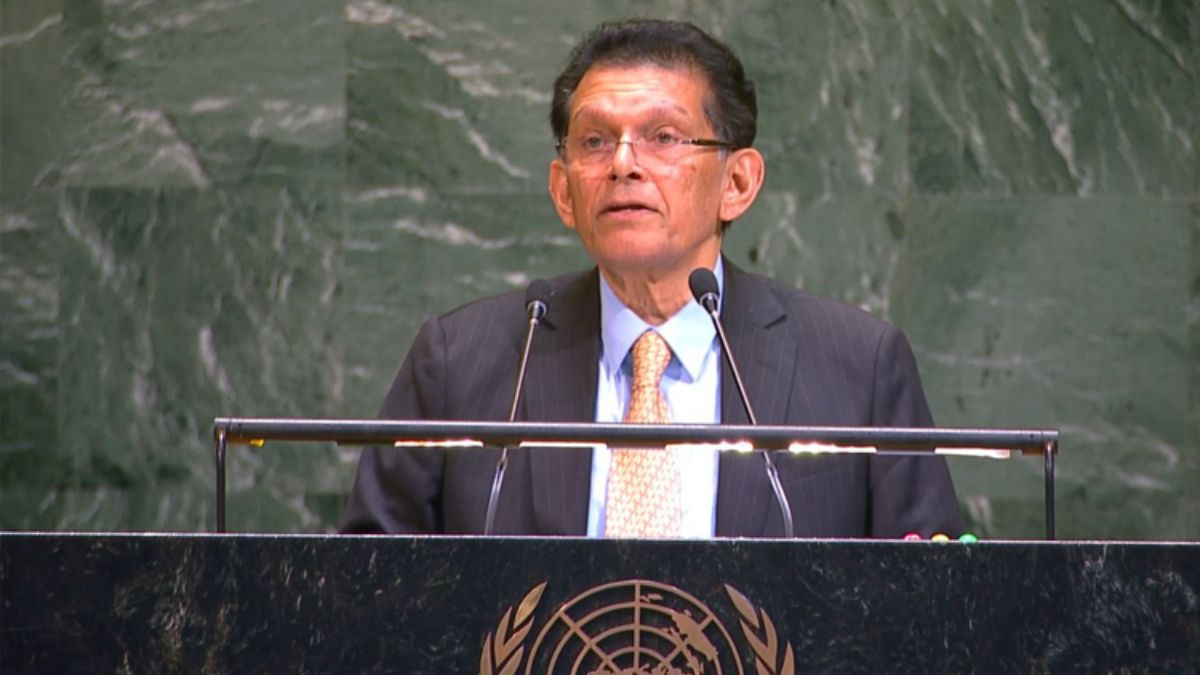
A surprise inclusion in PM Tarique Rahman’s cabinet as foreign minister, Rahman is likely to make his maiden visit to India in his current role on 7 April. Image courtesy: X.com

In a significant diplomatic development, Bangladesh Foreign Minister Khalilur Rahman is set to visit India early next month, marking the first high-level outreach from Dhaka since Prime Minister Tarique Rahman assumed office, and signalling a potential reset in ties after a prolonged period of strain.
The visit comes at a time when both nations are navigating regional uncertainties, including the ongoing West Asia conflict, while quietly working to recalibrate a relationship that had cooled over the past 18 months. Rahman’s India visit would mark the first big diplomatic step after political tensions gripped Dhaka for months.
Foreign Minister Rahman is expected to visit India around April 7, marking his first official trip to the country as foreign minister following the Bangladesh Nationalist Party’s sweeping electoral victory in February. His outreach is being closely watched as a litmus test for the new government’s approach towards India, especially after ties had stagnated during the interim administration led by Muhammad Yunus.
During that period, there was minimal high-level engagement, with neither Yunus nor his top aides visiting India.
Khalilur Rahman’s India visit: What’s on the agenda?
Talks in New Delhi are expected to focus on a wide range of critical issues, with energy security likely to dominate discussions. Bangladesh is currently facing a fuel crunch, worsened by global supply disruptions linked to the West Asia conflict, and a rising dependence on external partners for diesel and petroleum supplies.
India has already stepped in, supplying high-speed diesel in March, reflecting a renewed willingness to support Dhaka during the crisis.
Another key issue on the table is the renewal of the Ganga Waters Treaty, which is set to complete 30 years in December, a sensitive and strategic matter for both sides, according to a report in The Hindu.
Key meetings in New Delhi
During his visit, Bangladesh’s Foreign Minister Rahman is also expected to hold bilateral talks with External Affairs Minister S Jaishankar, and engage with senior Indian officials involved in foreign policy and security, ThePrint reported.
Notably, Rahman is no stranger to Indian strategic circles. As former National Security Adviser during the interim government, he had maintained communication channels with NSA Ajit Doval, helping prevent a complete breakdown in ties.
Balancing act: India visit, then Pakistan?
In a move reflecting Dhaka’s evolving regional strategy, Rahman is expected to travel onwards to Mauritius for the Indian Ocean Conference, before potentially heading to Pakistan. However, routing the trip via Mauritius ensures that the India visit is not directly hyphenated with Pakistan, a nuance that has diplomatic significance.
Recent weeks have already shown subtle but important signs of warming ties. Following Tarique Rahman’s electoral victory last month, PM Narendra Modi sent him a letter. The Bangladeshi PM responded, expressing intent to build ties based on “equality and mutual trust”. Moreover, Lok Sabha Speaker Om Birla also attended Rahman’s swearing-in ceremony.
In addition to this, diplomatic engagements, including Bangladesh’s Independence Day celebrations in Delhi, also witnessed high-level Indian participation. Security-level contacts have also resumed, with Bangladesh’s intelligence chief recently visiting India for talks with RAW and military counterparts.
Shared history and a renewed messaging
In a notable diplomatic alignment, both countries recently echoed similar positions on the legacy of 1971 and Operation Searchlight, with India backing Bangladesh’s call for justice over the atrocities committed during its Liberation War. The MEA on Friday (March 27, 2026) said that Operation Searchlight and the resultant violence in its aftermath in 1971, led to the “murder of millions of innocent Bangladeshi people and mass sexual crimes against women”.
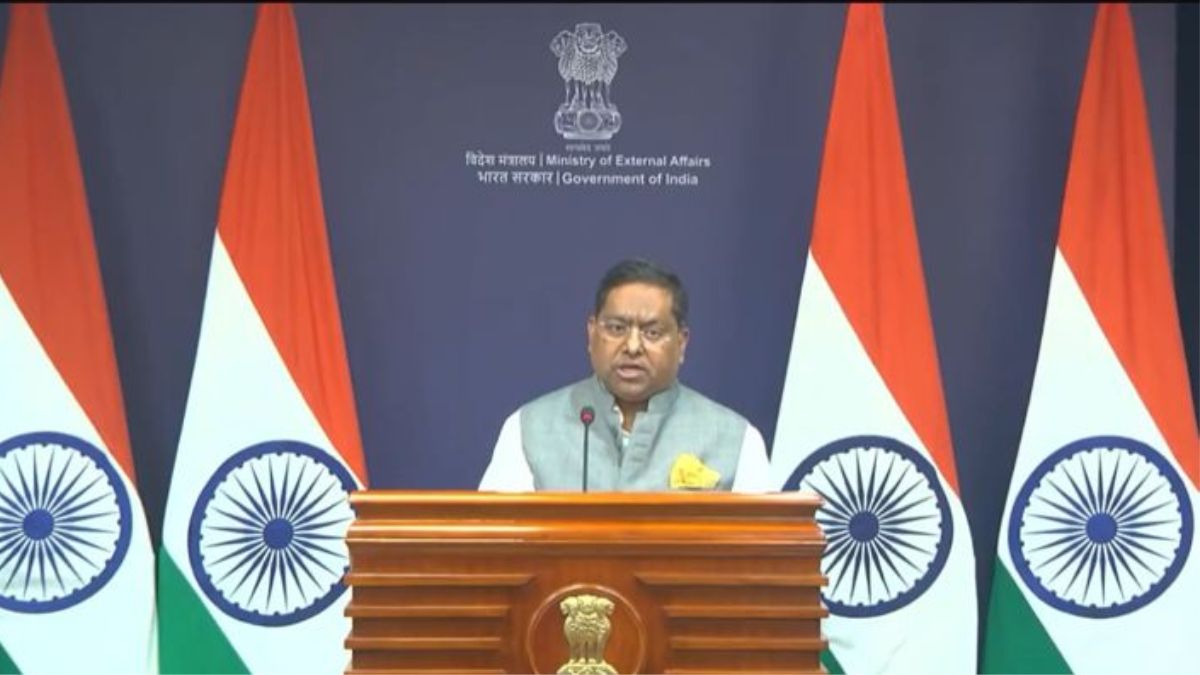
“These atrocities shook the conscience of the world. Pakistan, however, remains in denial to this very day of its crimes. We support Bangladesh in its desire for justice,” MEA official spokesperson Randhir Jaiswal said adding that “India supports Bangladesh’s desire for justice”.
Khalilur Rahman’s India trip is more than a routine diplomatic engagement, as it represents a strategic opportunity to reset one of South Asia’s most important bilateral relationships.
For India, stable ties with Bangladesh are crucial for regional connectivity, security cooperation, and managing its eastern neighbourhood. For Bangladesh, closer engagement with India offers energy and economic support, strategic balance in a complex regional landscape.