UN Deadlock Over Hormuz: Russia, China Veto Resolution To Reopen Strait As US-Iran Agree To Last-Minute Ceasefire
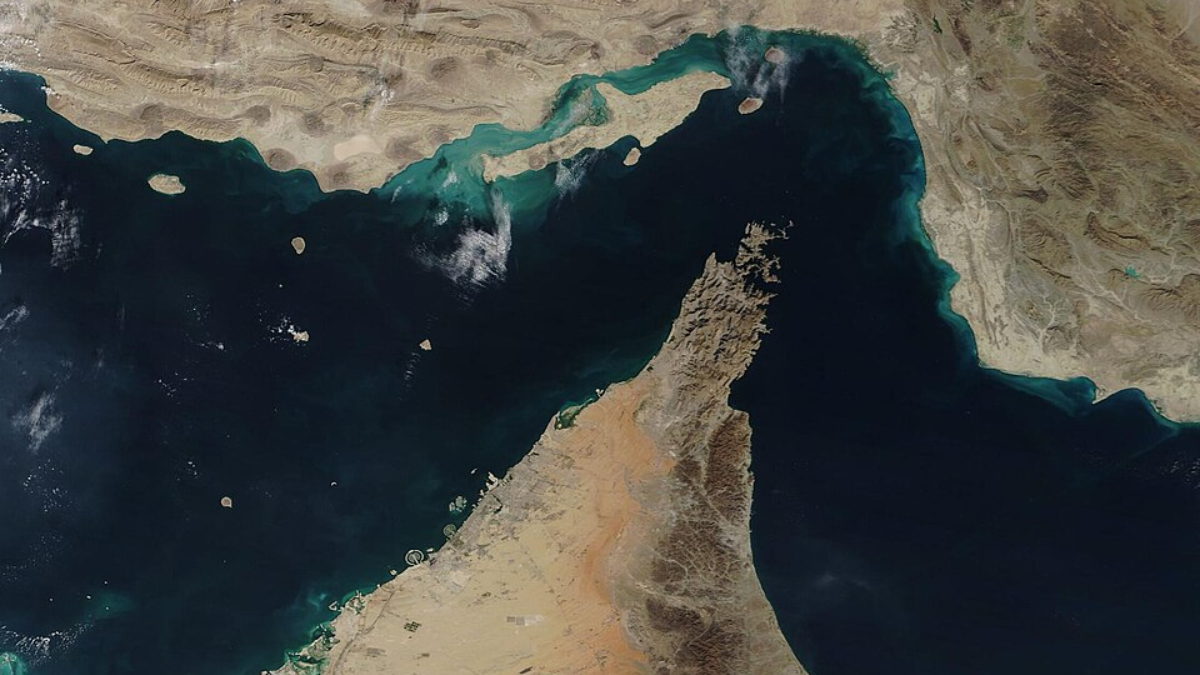
Iran US tensions Hormuz Strait. Image courtesy: Wikimedia

In a dramatic turn at the United Nations, Russia and China vetoed a key Security Council resolution aimed at reopening the Strait of Hormuz, even as the United States and Iran reached a surprise two-week ceasefire agreement just a few hours before a looming ultimatum, and Donald Trump’s repeated threats.
Russia and China blocked the resolution, arguing that the draft, despite being diluted, remained “unbalanced” and potentially dangerous. Russian Ambassador Vassili Nebenzia said the proposal contained “unbalanced, inaccurate and confrontational elements.” He warned that even the revised text could open the door to misuse.
Backing this stance, Iran’s UN envoy Amir Saeid Iravani said the resolution was designed “to punish the victim for defending its sovereignty and vital national interest in the Persian Gulf and the Strait of Hormuz.”
He further cautioned, “Had this draft been adopted, it could have opened the door to dangerously broad and abusive interpretation that could be used to justify further use of force and unlawful actions in clear violation of the UN Charter.”
UNSC resolution on Hormuz reopening: What was the resolution trying to achieve?
The draft, introduced by Bahrain and supported by the United States, aimed to ensure safe navigation through the Strait of Hormuz, a crucial chokepoint that carries nearly one-fifth of the world’s oil. Originally, Gulf nations sought a clear UN mandate to use force to secure the waterway. However, strong objections from veto powers forced multiple revisions.
The final version removed explicit authorisation for use of force, and said it only “strongly encourages states…to coordinate efforts, defensive in nature”. It also demanded Iran cease attacks on commercial vessels and called for protection of civilian energy infrastructure.
Despite these concessions, the resolution failed, receiving 11 votes in favour, two against, and two abstentions.
Chinese Ambassador Fu Cong said the draft “failed to capture the root causes and the full picture of the conflict in a comprehensive and balanced manner.” He expressed hope that peace and stability would be restored and affirmed China’s commitment to addressing the situation properly by tackling the root causes.
How did the US and Gulf nations react?
The United States signalled it could act independently despite the UN setback. US Ambassador Mike Waltz said, “Today’s result does not restrict the United States to continue to act in its own self defense and in the collective defense of our allies and partners.”
Gulf nations expressed disappointment over the outcome.
Bahrain’s Foreign Minister Abdullatif bin Rashid Al Zayani said they “regret” the failure, adding:
“This signal that the threat to international waterways can pass without any decisive action by the international organization responsible for the maintenance of international peace and security.”
What changed hours before Trump’s ultimatum expired?
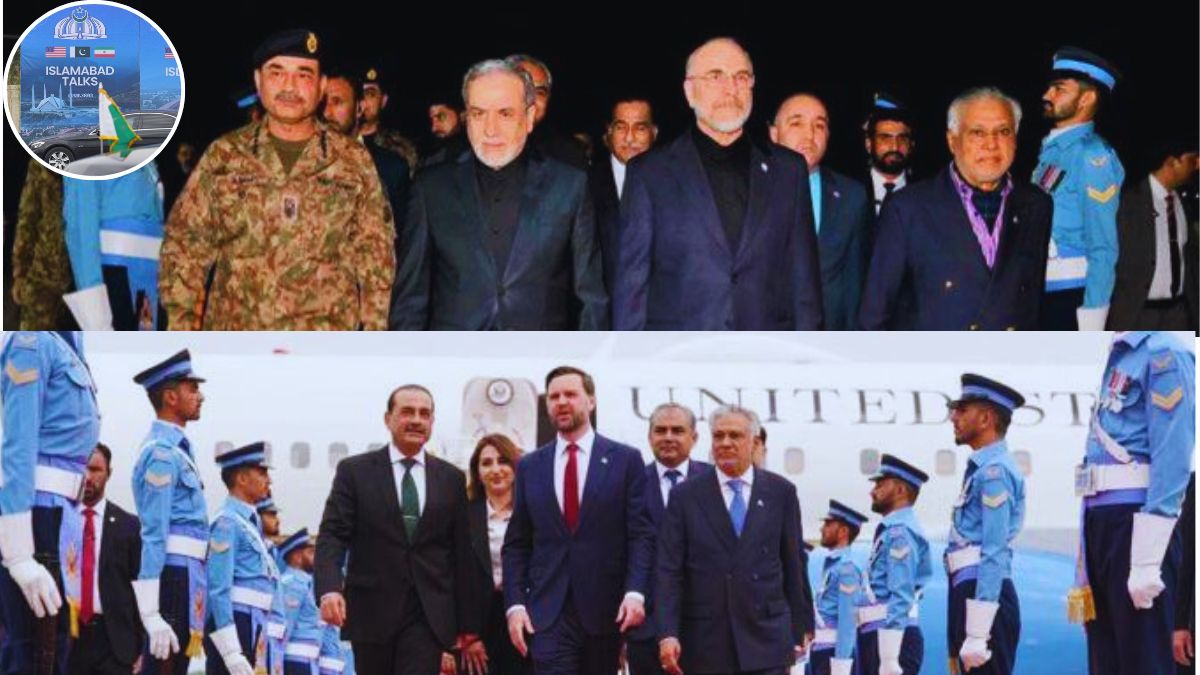
In a major late development, the United States and Iran agreed to a two-week ceasefire, just hours before President Donald Trump’s deadline for Tehran to reopen the Strait of Hormuz. The ultimatum had come with a stark warning, with Trump stating that failure to comply could mean “a whole civilization will die” in Iran.
The ceasefire deal appears to have temporarily de-escalated tensions, offering a narrow diplomatic window after weeks of intense military confrontation.
Iran imposed an effective blockade on the Strait of Hormuz after the US and Israel launched strikes on February 28, sparking a wider regional war. The move disrupted global oil flows, pushing prices sharply higher and raising fears of a prolonged energy crisis.
What happens next at the UN and beyond?
Russia indicated that it, along with China, may propose an alternative resolution, though no timeline has been specified. Meanwhile, the ceasefire offers a temporary pause in hostilities as global markets remain on edge over Hormuz access and diplomatic efforts are expected to further intensify.
The coming days will be crucial in determining whether the fragile truce holds—or if tensions spiral once again.