Caught Between Conflict And Expulsion: Refugees Stranded At Pakistan Border As Islamabad Wants Afghans To Leave
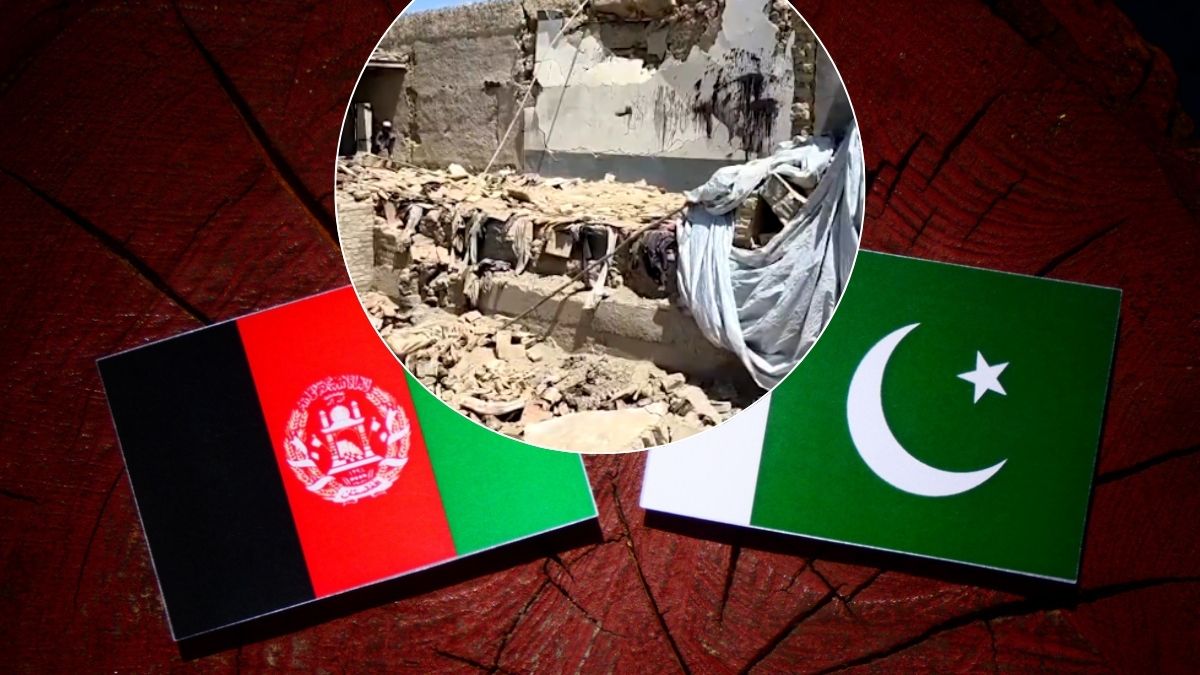
Pakistani authorities have sharply escalated abusive raids, arbitrary detentions, and forced returns of Afghan refugees. Image courtesy: RNA

Hundreds of Afghan refugees remain stuck at the Pakistan-Afghanistan border, caught in a worsening humanitarian situation as fresh fighting between the two countries disrupts repatriation efforts. Islamabad and Kbaul have seen the worst fighting this year since the Taliban took over in 2021.
Women and children are among those waiting at the Torkham border crossing to be sent to Afghanistan, a country many of them have never seen. The delays come as Pakistani authorities tighten deportation measures, while security concerns linked to cross-border violence slow movement.
Long queues of trucks loaded with refugees and their belongings now line both sides of the road leading to the crossing.
What is driving Pakistan’s mass deportation policy?
Islamabad has been pushing for the return of Afghan nationals under its “Illegal Foreigners’ Repatriation Plan,” launched in October 2023.
The policy mandates that all Afghan nationals without valid visas leave the country. Since then, more than 2 million Afghans have been expelled out of an estimated 3 million living in Pakistan.
In 2026 alone, over 146,000 Afghans have already been deported, adding to more than 1 million forcibly returned in 2025.
Following the reopening of the Torkham border last month on March 31, deportations have accelerated.
Why are many of these refugees reluctant to return?
For many, Afghanistan is not home in any practical sense. A large number of those being deported are second- and third-generation refugees whose families fled conflict decades ago.
“We never imagined that one day we would be asked to leave,” 40-year-old Saleha Bibi told news agency Reuters, adding she had never been to Afghanistan. “We are going back with broken hearts.” Her concerns reflect anxieties among refugees, particularly over safety, livelihoods and education.
“What hurts me most is the lack of educational opportunities for my children in Afghanistan,” she said. Bibi, a mother of seven, fears for her children’s future under current conditions in Afghanistan.
Pakistan-Afghanistan conflict: Rising death toll
A major humanitarian crisis is unfolding against the backdrop of escalating tensions between Islamabad and Kabul. The neighbouring countries are witnessing some of their worst fighting since the Taliban returned to power in 2021. Recent cross-border shelling in Pakistan’s South Waziristan district wounded several civilians, including women and children, according to Pakistani officials.
Islamabad accuses Kabul of providing refuge to Islamist militants who carry out attacks inside Pakistan. Afghanistan denies the allegations, stating that militancy is Pakistan’s internal issue.
This ongoing conflict has further complicated border management and delayed refugee processing.
Spokesperson Pakistan Armed Forces, Lieutenant General Ahmed Sharif Chaudhry, on Thursday (April 30, 2026) shared that “13 khwarij belonging to Indian sponsored Fitna-al-Khwarij were killed in two foiled infiltration attempts along Pakistan-Afghanistan Border in Khyber Pakhtunkhwa Province on 28-29 April 2026.”
“In another engagement, own troops effectively foiled another infiltration attempt by a group of Khwarij along Pakistan-Afghanistan border in North Waziristan District and after intense fire exchange, five Khwarij were neutralised,” he posted on X.
How are conditions at the border affecting refugees?
The situation at the Torkham crossing remains dire, with families stranded for days, sometimes weeks, waiting for clearance. 24-year-old Burhan Khan told Reuters he and his family had been waiting for over 12 days. Others, he added, have waited even longer. “Women and children have been sitting inside the vehicles for nearly two weeks,” he said.
The deportations coincide with ongoing instability in Afghanistan following the Taliban’s return to power, raising concerns about the safety and reintegration of returnees. With limited infrastructure, economic challenges and restricted access to education, especially for girls, the conditions awaiting many refugees remain uncertain.