

Indian Army Neutralises World War II-Era Bomb in Assam’s Ledo-Lekhapani
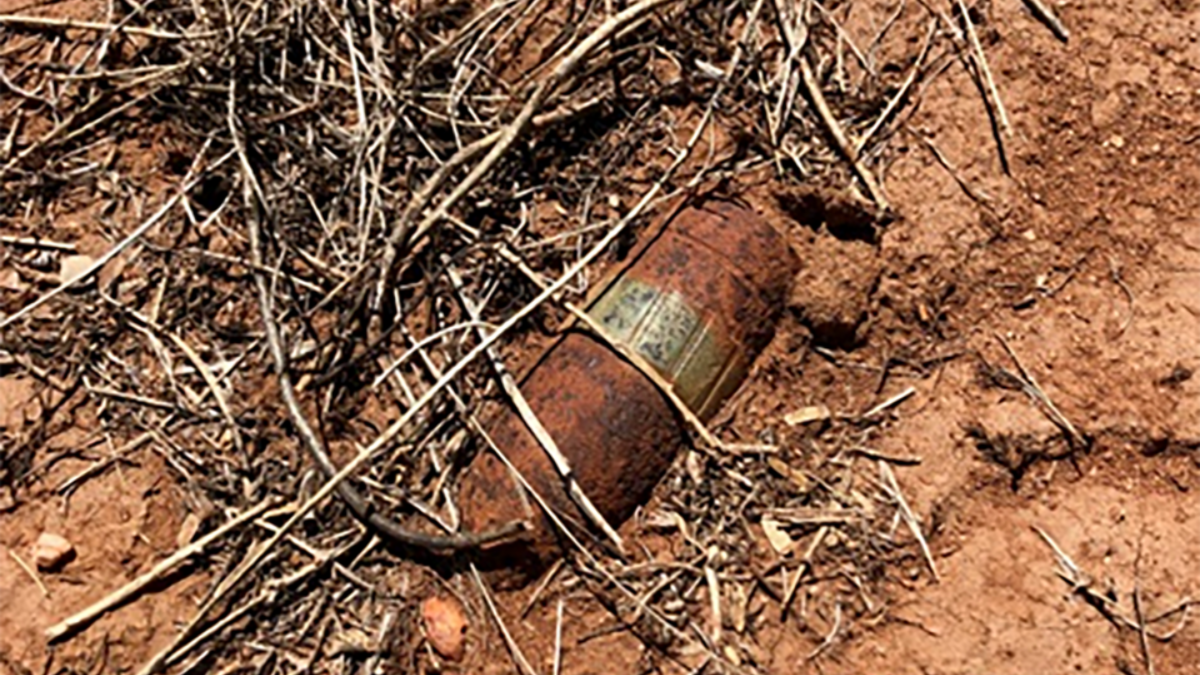
Ledo Lekhapani bomb incident. Image courtesy: Wikimedia

The Indian Army on Thursday (April 30, 2026) successfully neutralised an unexploded World War II-era bomb found in a civilian area at Ledo-Lekhapani in Assam, preventing a serious threat to residents and nearby property.
The unexploded device was discovered in a densely populated part of the town, raising immediate safety concerns among residents and authorities alike.
The ordnance, identified as an unexploded wartime remnant, measured approximately 12 inches in length and 6 inches in width. In response to the alert, the Army’s Red Shield Sappers dispatched a specialised bomb disposal team to the site.
The team secured the area, evacuated nearby residents, and established a safety perimeter in accordance with standard operating procedures. The device was subsequently transported to a designated safe zone and destroyed through a controlled disposal exercise. No injuries or property damage were reported.
A Pattern Emerging Across India
The Ledo-Lekhapani incident is far from isolated. Over the past several weeks, the Indian Army has been recovering and neutralising World War II-era unexploded ordnance from multiple locations across the country.
As recently as March 31, two WWII-era bombs—a general-purpose bomb and an incendiary device—were recovered and safely defused in Assam’s Tinsukia district after a civilian unearthed them while digging a pit in the Burma Camp area of Lekhapani.
The presence of such unexploded ordnance in Upper Assam is not entirely surprising, as areas like Ledo and Lekhapani were historically significant wartime locations, serving as military bases and supply routes during the conflict.
Far from the Northeast, Jharkhand has witnessed a similar surge. On April 22, a massive 227-kg bomb dating back to World War II was safely defused by the Indian Army on the banks of the Subarnarekha River in Jharkhand’s East Singhbhum district.
This was the third such instance in the area within a single month. Two live bombs had been recovered from the same riverbank on April 16, while two more had been found and defused in March.
Some reports indicate that the locals believe that falling river water levels due to summer heat have exposed bombs buried in the sand over eight decades ago.
In a separate Jharkhand operation in late March, a 200-kg bomb resembling a gas cylinder was discovered during sand excavation, while another similar device was recovered from a villager’s house during a follow-up inspection.