


Disability Pension Tax Triggers Political Controversy, Veterans Call It Unjustified
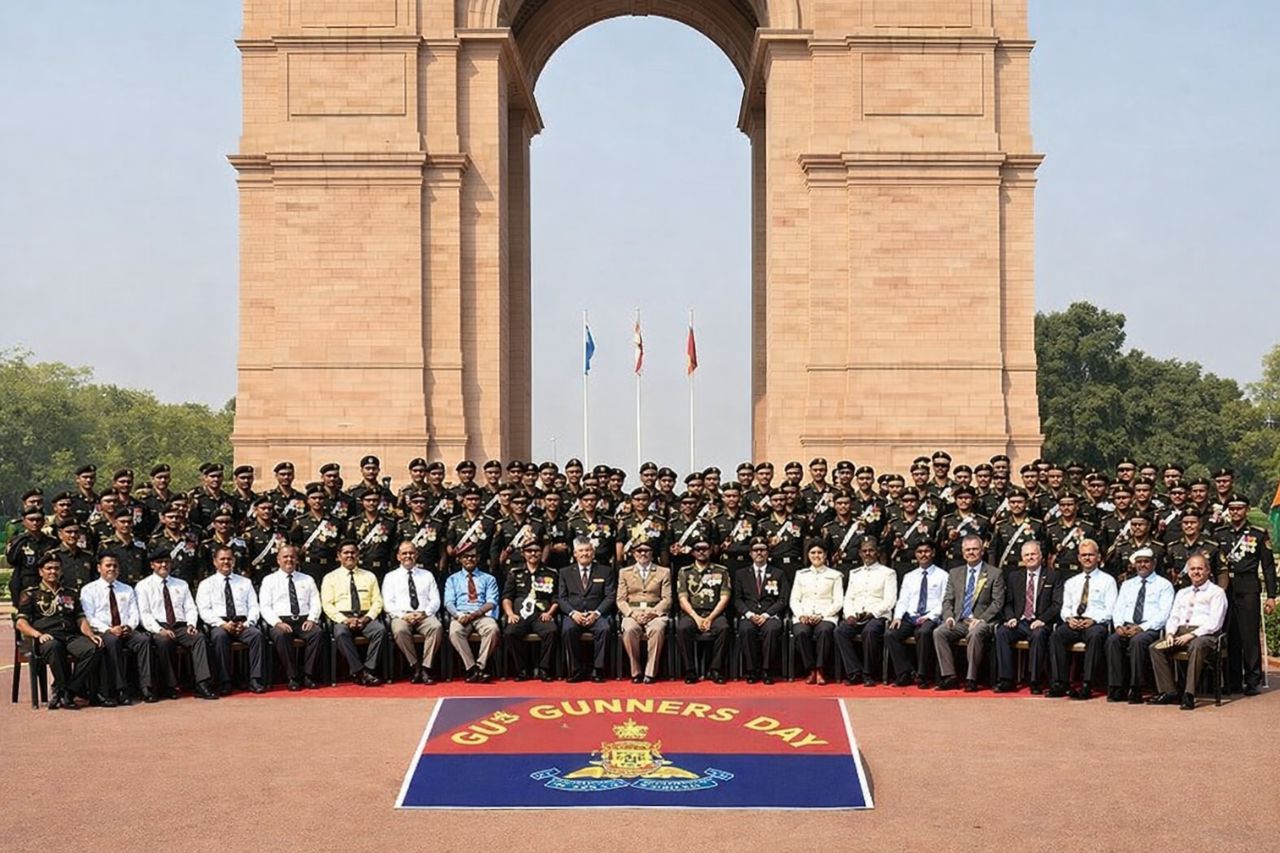
A proposed amendment in the Finance Bill 2026 limiting income-tax exemption on disability pensions has sparked sharp debate in Parliament and among veterans, with critics warning it creates unequal treatment within the armed forces community. Image courtesy: Representational image Wikimedia Commons

A provision in the Finance Bill 2026 that restricts income-tax exemption on disability pension only to soldiers invalided out of service due to service-attributable disabilities has triggered sharp criticism from veterans and Opposition leaders, who say the move creates “two classes” of disabled soldiers.
The proposed amendment, introduced under Clause 108 of Schedule III to the Income Tax Act for the upcoming fiscal, seeks to provide an express statutory tax exemption only in cases where an individual has been invalided out of service on account of a disability attributable to or aggravated by military service.
However, the exemption “shall not be available where the individual has retired from service on superannuation or otherwise,” the Bill states.
How the clarification triggered debate?
The clarification has reignited a debate over disability pensions and impairment relief within the armed forces community during the ongoing Budget session of Parliament.
AIMIM MP Asaduddin Owaisi sharply criticised the government during the general discussion on the Union Budget in the Lok Sabha, terming the move detrimental to disabled veterans.
A day earlier, Congress MP Shashi Tharoor called the development “disturbing.”
“This move weakens social protection for disabled veterans who have risked their lives for our country and draws an indefensible line between service-related disabilities and abdication of the state’s moral duty,” Tharoor said in the House.
What views were expressed by veterans?
Several veterans have also demanded a review of the proposal. Former Army Chief General V.P. Malik (Retd) expressed hope that the government would reconsider the decision.
“If disabled, soldiers are allowed to continue service only after a medical board approval. Some such soldiers, when disabled as young officers, have risen to the rank of Major Generals and Lieutenant Generals, including one Vice Chief. This new discrimination is unjustified and uncalled for,” he wrote on social media.
What clarification came from Defence Ministry?
Defence Ministry officials, however, maintain that the Finance Bill merely clarifies existing provisions under the Income Tax Act of 1922 and 1961, which distinguished between two categories of disabled personnel.
According to a CBDT circular dated June 24, 2019, disability pension is exempt from income tax only in cases where a service member is invalided out before completing regular service due to medical reasons attributable to or aggravated by service conditions.
Officials said that the exemption was “loosely interpreted” in some cases to extend tax benefits to personnel who completed their normal tenure but retired in a low medical category (LMC).
Such individuals, they clarified, do not receive “disability pension” but rather service pension plus a disability element, now termed “Impairment Relief” under the Entitlement Rules 2023.
“These LMC cases are not covered under the IT exemption as they continue to remain in service. The new Finance Bill clarifies this position further,” an official said.
How CAG report raised controversy?
The controversy is rooted in a 2023 Comptroller and Auditor General (CAG) report that flagged a “high number” of officers drawing disability pensions.
The audit, covering 2015-2020, found that 36% to 40% of officers and 15% to 18% of personnel below officer rank (PBOR) retiring annually were receiving disability pensions.
The report noted an even higher percentage of 44% to 58% among retiring medical officers availing disability pensions.
Additionally, over 22% of officers and 13% of jawans were drawing disability pensions for lifestyle diseases such as hypertension and diabetes. Disability pensions are higher than normal pensions and tax-free.
How DMA intervened after CAG concerns?
Following the report, the Department of Military Affairs (DMA) constituted a panel comprising representatives from the three services and the Department of Ex-Servicemen Welfare.
This led to the promulgation of the Entitlement Rules for Casualty Pension and Disability Compensation Awards to Armed Forces Personnel, 2023, which came into effect on September 21, 2023.
The revised rules distinguish between “disability pension” for those invalided out of service and “impairment relief” for those who superannuate with disabilities attributable to service.
The policy aligns with the Rights of Persons with Disabilities Act, 2017.
At the time, Chief of Defence Staff General Anil Chauhan said the new framework would protect genuine cases, prevent misuse of liberal provisions, ensure operational efficiency, and promote physical fitness across the armed forces