
850 Kamikaze Drones Could Soon Join Indian Army’s Arsenal As It Looks To Induct 30,000 Loitering Munitions
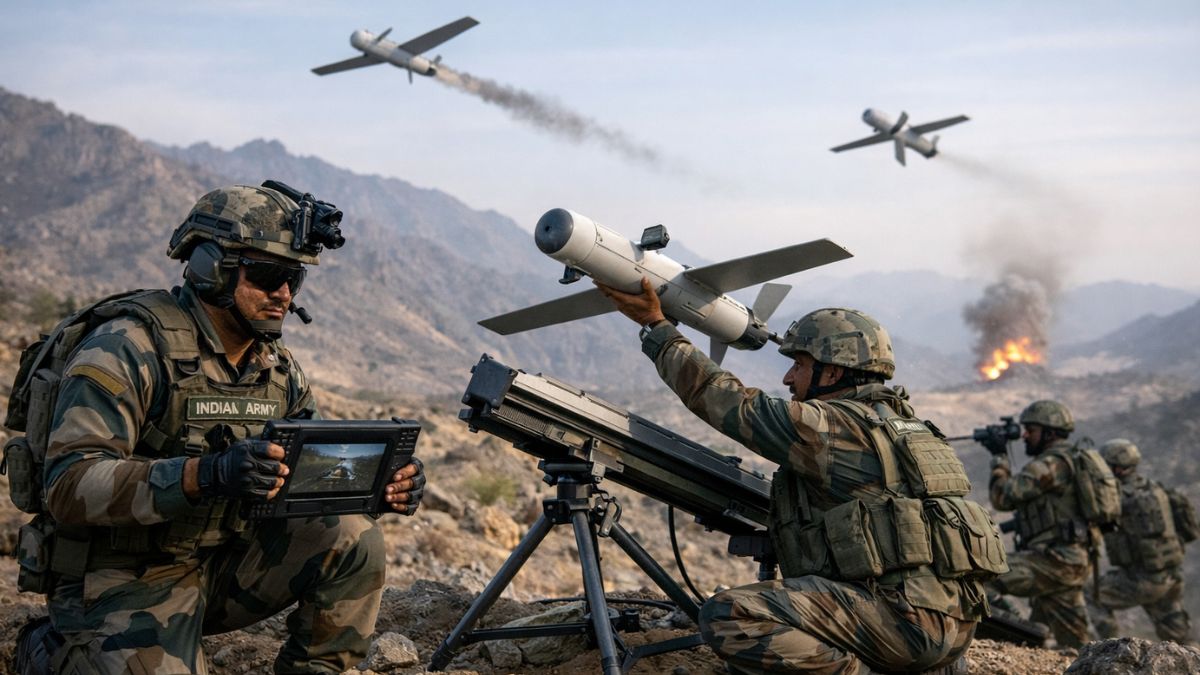
The Army infantry battalions will now have one Ashni platoon each, which will be responsible for operating drones. Image courtesy: AI-generated picture via Sora

Lessons from Operation Sindoor are certainly driving Indian Armed Forces increased gravitation towards the use of drones. This is why the Indian Army equipped 380 infantry battalions with drone platoons – Ashni. Taking yet another step in the drone modernisation direction, the Army could soon add over 800 Kamikaze drones to its arsenal.
The Indian Army is heavily accelerating its transition towards drone-dominated warfare, with a major proposal to induct around 850 kamikaze drones (loitering munitions) now at an advanced stage of approval. The acquisition is being processed under fast-track procurement procedures.
Defence sources indicate that Indian Army’s proposal for 850 Kamikaze drones is likely to be cleared by a high-level meeting of the Defence Acquisition Council (DAC) scheduled for the last week of this month. The systems will be sourced from indigenous manufacturers, underlining the Army’s push for self-reliance in critical combat technologies.
Indian Army’s Kamikaze drones proposal
Under the current proposal, the Army will induct approximately 850 loitering munitions along with their launchers, which will be distributed across all three services and special forces units. These drones are designed to hover over target areas, identify enemy assets and strike with precision, offering commanders real-time, low-risk strike options.
Officials note that this is only the first step in a much larger plan. The Indian Army is looking to induct nearly 30,000 loitering munitions in the near future to equip its entire combat force structure.
Ashni platoons: Embedding drones at the infantry level
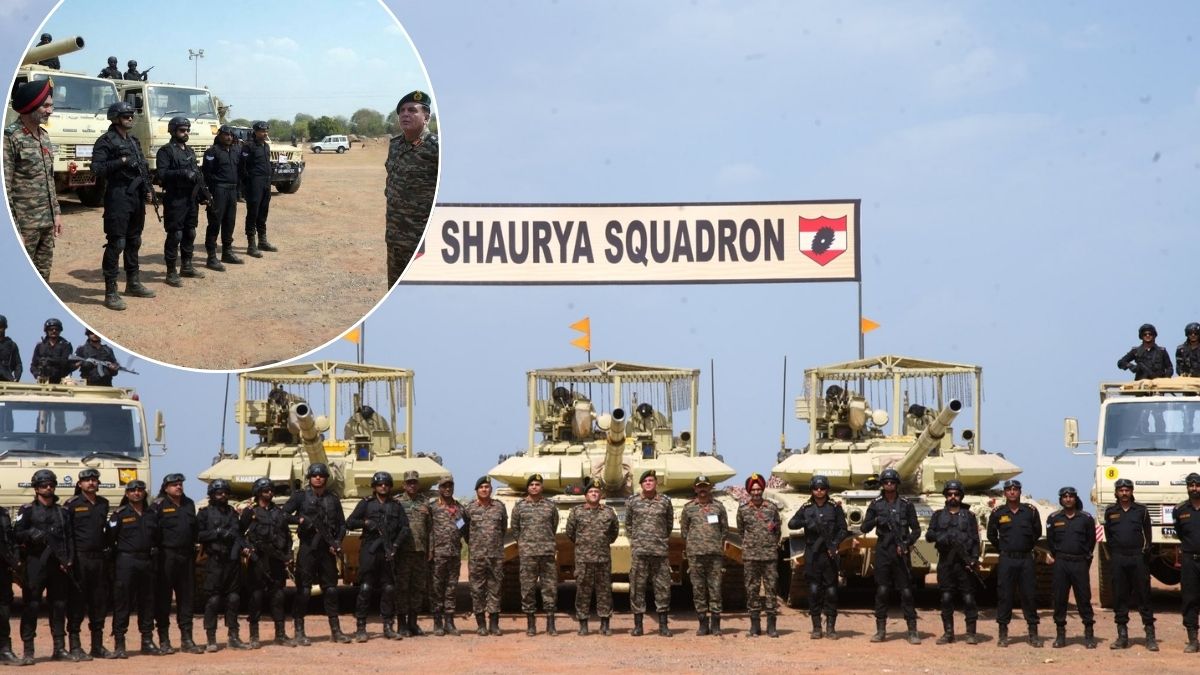
In a significant doctrinal shift, each Army infantry battalion will now raise an ‘Ashni’ platoon, dedicated to drone operations, ANI reported. These platoons will be responsible for deploying loitering munitions and other drones against enemy positions, terror launch pads and infrastructure, as well as for counterinsurgency operations.
By embedding drone operators directly within infantry units, the Army aims to compress decision-making cycles and deliver rapid, precision firepower at the tactical level.
Earlier in October this year, Lt Gen Ajay Kumar, the director general of infantry, said this each of the 380 infantry battalions now has an Ashni (fire) drone platoon that comprises at least four surveillance drones and six are of armed category.
Operation Sindoor: How it became the turning point
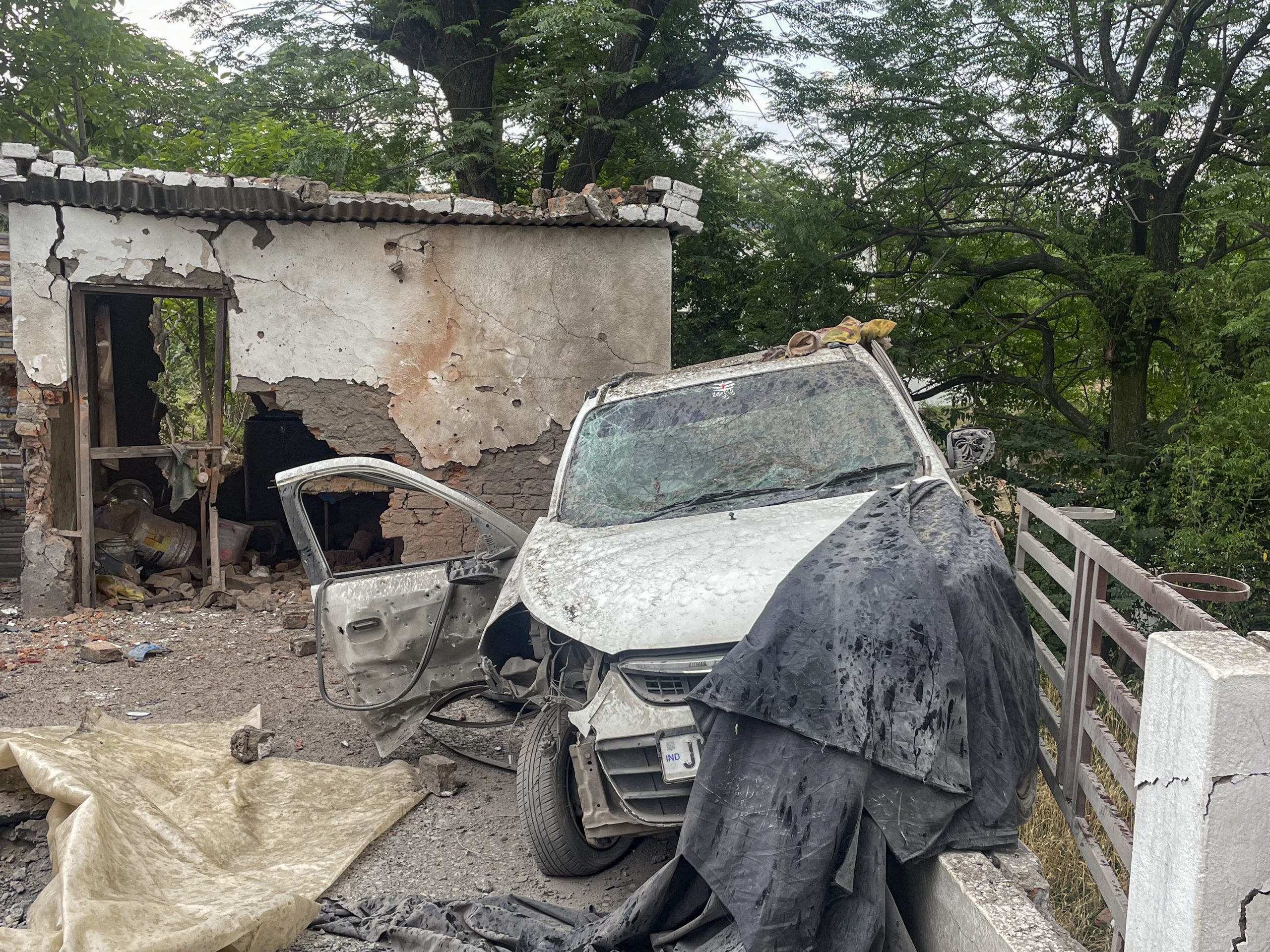
Operation Sindoor marked one of the most extensive uses of drones by the Indian Army in a cross-border counter-terror role. The force heavily utilised loitering munitions to strike terror headquarters inside Pakistan, eliminating seven of the nine identified terrorist targets on the very first day of operations.
The operation was launched in retaliation for the Pahalgam terror attack, in which 26 civilians were killed, and demonstrated how drones could achieve strategic and psychological impact without risking large troop deployments.
Expanding drone use against hostile military responses
Following the initial counter-terror strikes, drones were also employed against Pakistan Army positions, after Islamabad moved to defend terrorist infrastructure backed by it. According to defence sources, the drone strikes inflicted heavy damage on enemy infrastructure along the borders, resulting in a high number of casualties and significantly degrading hostile capabilities.
The planned large-scale induction of kamikaze drones signals a fundamental transformation in the Indian Army’s approach to warfare, moving towards precision, autonomy and persistence on the battlefield. Drones reduce risk to soldiers, offer deep strike options and provide scalable responses across the spectrum of conflict.