Mistrust in the Mountains: How Nepal’s Balancing Act Is Generating Instability Across South Asia
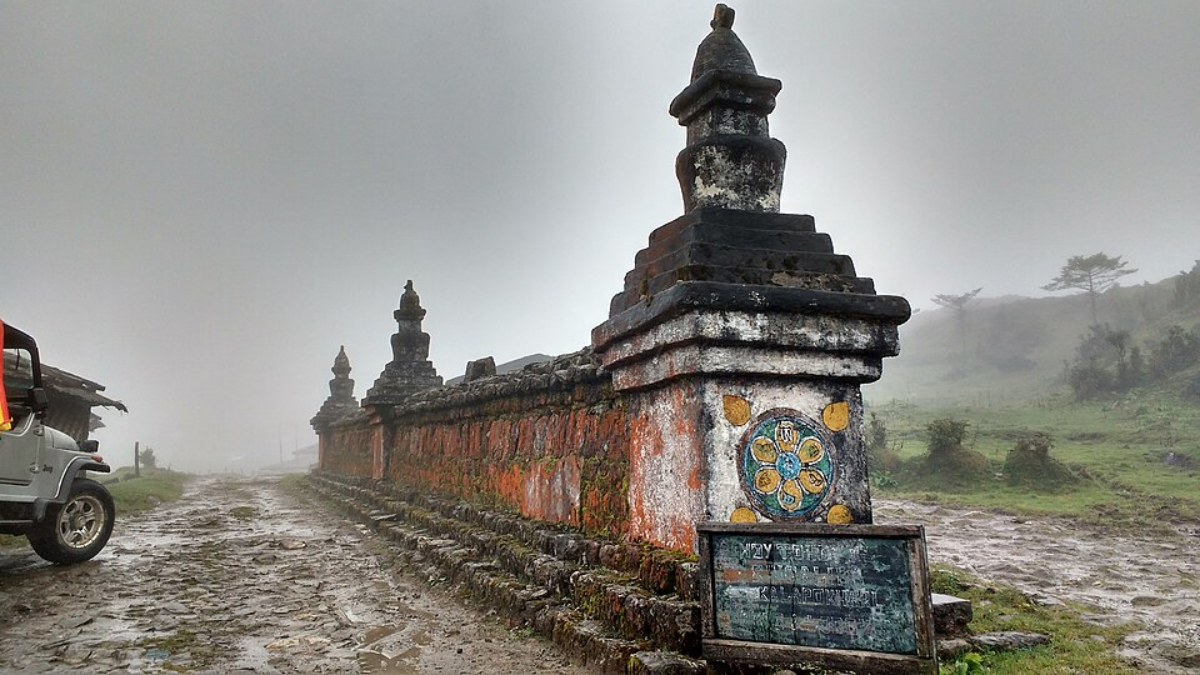
Representative Image: India-Nepal border. Picture credit: Wikimedia Commons

Trust between India and China at the governmental level has been severely tested since the Galwan clash of 2020, the deadliest confrontation on the Line of Actual Control in forty-five years. The two countries completed full disengagement across all friction points in eastern Ladakh by late 2024, and high-level diplomacy has resumed, including a Modi-Xi bilateral in late 2025.
But normalisation is not reconciliation. The territorial disagreements that produced Galwan remain unresolved, deep mutual suspicion persists in both capitals, and the structural competition between Asia’s two largest powers continues to shape behaviour across the region.
Nepal sits at the centre of this. Nepal’s active cultivation of Chinese investment and defence cooperation has been interpreted in New Delhi through the lens of the broader India-China competition.
Indian strategic analysts, including those at the Manohar Parrikar Institute for Defence Studies and Analyses, have examined Chinese BRI engagement in Nepal as a mechanism for drawing Kathmandu away from India’s traditional sphere of influence.
Whether this framing accurately describes Beijing’s intentions is debatable. What it accurately describes is how India is reading the situation, and India’s reading shapes India’s behaviour toward Nepal.
When India perceives Chinese strategic encroachment in Nepal, it tends to respond with its own pressure on Kathmandu: reminders of economic dependence, interventions in Nepal’s domestic politics through relationships with Madhesi communities and other groups with trans-border ties, and occasional public signals of displeasure that communicate New Delhi’s concerns without specifying demands.
Nepal’s government experiences this as pressure from one direction and Chinese inducements from another, and attempts to placate both without fully satisfying either. This is, in miniature, what great power competition looks like from inside a small state.
It is not comfortable. Nepal’s foreign policy speeches speak of non-alignment and mutual benefit. Its negotiating rooms tell a different story. The deepening strategic rivalry between India and China uses Nepal as a theatre, and the costs of that use are borne by Nepal.