


Symbol Of Collective Resolve: Rajnath Singh Commissions Samudra Pratap, India’s First Indigenous PCV
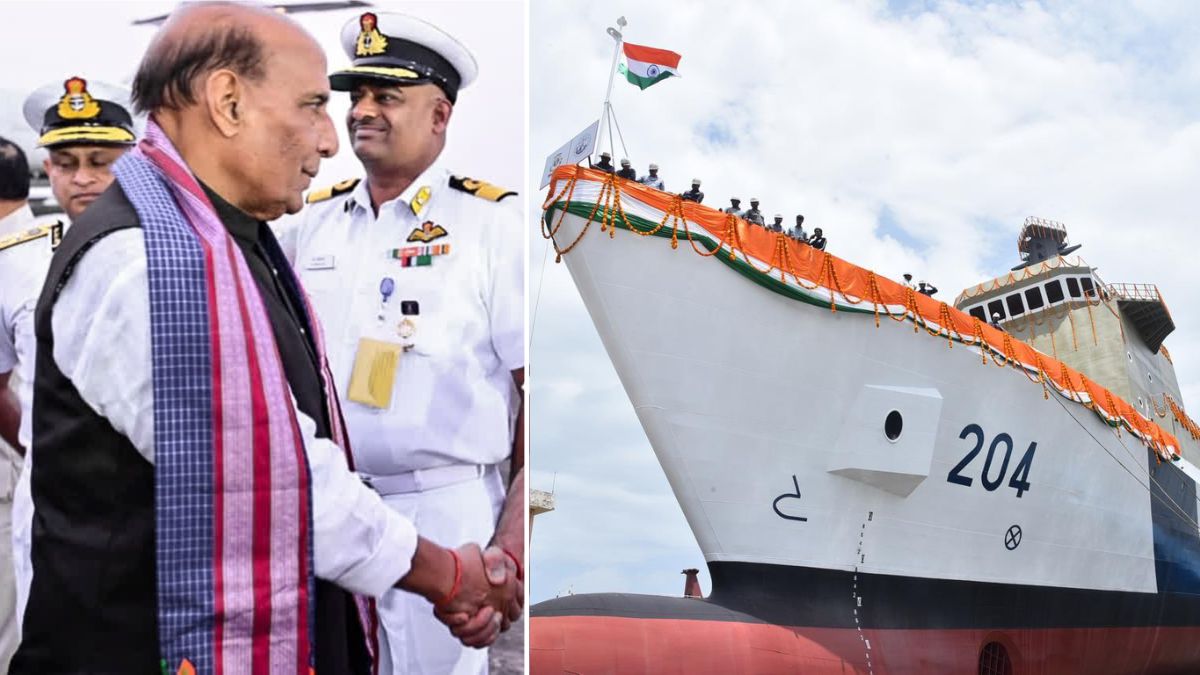
When this ship advances against the waves, our Coast Guard and India's self-confidence will also be bolstered, said Rajnath Singh. Image courtesy: RNA

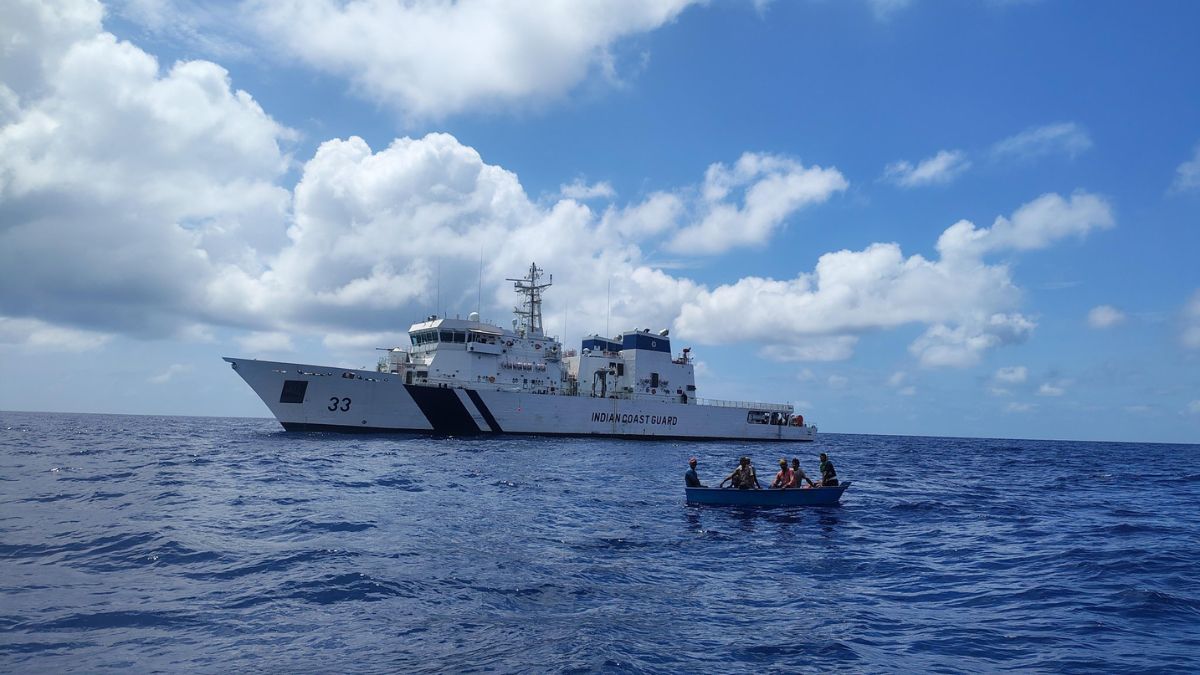
Less than two weeks after the Indian Coast Guard (ICG) inducted its first indigenously designed and built Pollution Control Vessel (PCV), Defence Minister Rajnath Singh on Monday (January 5, 2026) commissioned Samudra Pratap, at Goa Shipyard Limited, calling it a symbol of India’s growing self-reliance and maritime confidence.
Boasting of an over 60% indigenous content, Samudra Pratap is the first PCV fully designed and built in India for the Coast Guard and aligns well with the government’s Atmanirbhar Bharat and Make in India initiatives.
Addressing the Samudra Pratap commissioning ceremony in Goa, Singh said the induction would significantly enhance India’s maritime strength and operational confidence. “When this ship advances against the waves, the confidence of the Coast Guard and of India will also rise,” he stated, adding that Samudra Pratap reflects the country’s collective resolve to meet modern maritime challenges.
Why is Samudra Pratap more than a pollution-control ship?
While the vessel has been primarily designed for pollution control, Rajnath Singh highlighted its multi-role potential, saying it is also capable of search and rescue operations, coastal patrol and strengthening overall maritime safety. “Many capabilities have been integrated into this ship,” he stated.
Defence Minister Singh underlined that this modern approach is the demand of today’s maritime challenges,” he said, underlining the vessel’s versatility in both environmental protection and maritime security roles. “I also believe it is capable of search and rescue operations, coastal patrol and is important in strengthening maritime safety,” he shared.
Goa Chief Minister Pramod Sawant was also present at the commissioning ceremony.
Samudra Pratap: A Make in India marvel?
The 114.5-metre-long vessel has over 60 per cent indigenous content, marking a significant milestone under India’s Aatmanirbhar Bharat push in defence shipbuilding.
Built by Goa Shipyard Limited, the 4,200-tonne vessel was officially delivered to the Indian Coast Guard in December, reinforcing India’s growing capability to design and construct complex maritime platforms domestically.
What are the vessel’s operational capabilities?
Samudra Pratap combines endurance, speed and advanced systems to operate effectively across India’s vast maritime domain. It can achieve speeds exceeding 22 knots and has an operational endurance of 6,000 nautical miles, allowing sustained deployments in the Exclusive Economic Zone and beyond.
The vessel will play a critical role in enforcing marine pollution control regulations, maritime law enforcement, coastal surveillance and search and rescue missions.
What advanced systems does it carry?
According to the Indian Coast Guard, the vessel is equipped with a suite of advanced, state-of-the-art systems, including oil fingerprinting machine for pollution source identification; gyro-stabilised stand-off active chemical detector; 30mm CRN-91 gun; two 12.7mm stabilised remote-controlled guns with integrated fire control systems.
Samudra Pratap also boasts of an Integrated Bridge System and Integrated Platform Management System; automated Power Management System and shaft generator; sea boat davit and pollution response (PR) boat with davit; high-capacity external firefighting system.
These systems enable Samudra Pratap to respond swiftly to maritime emergencies, pollution incidents and security threats.
The commissioning of Samudra Pratap strengthens India’s ability to protect its maritime environment while enhancing the Coast Guard’s operational reach and deterrence posture. It also reinforces India’s standing as a responsible maritime nation committed to safeguarding sea lanes, coastal ecosystems and maritime trade.