We Stick To Deals: EU VP As India, EU Lock In Strategic Defence Pact Covering Maritime Security To Counterterrorism
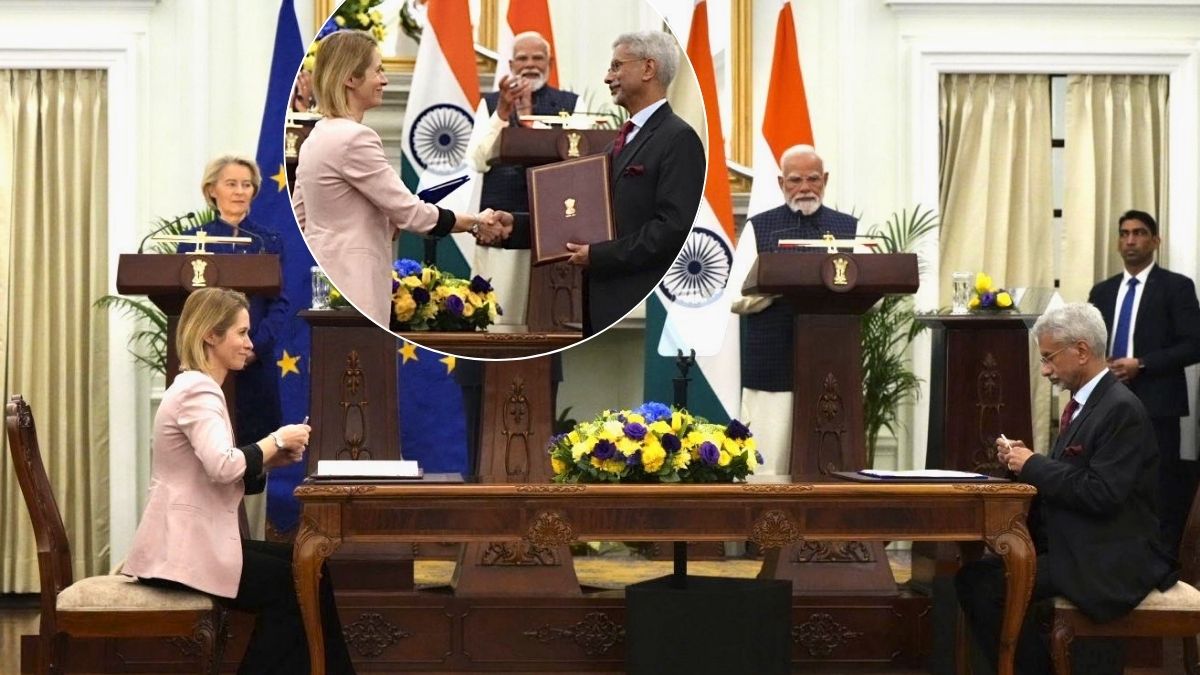
With the signing of the deal, India becomes the third Asian country to have such a deal with the EU after Japan and South Korea. Image courtesy: RNA

India and the European Union have taken a decisive step toward a deeper strategic alignment by signing a Security and Defence Partnership, a move that places defence cooperation, maritime security and counterterrorism at the heart of the relationship, alongside a landmark Free Trade Agreement (FTA) that significantly expands economic ties.
The twin agreements, signed on Tuesday (January 27, 2026) during the 16th India–EU Summit, signal a shift from transactional engagement to a long-term strategic partnership as both sides look for sustainable and strong ways to navigate a rapidly changing global security and economic order.
India–EU Security and Defence Partnership: What does it mean?
This newly signed pact establishes a structured framework for sustained defence and security cooperation between two major democracies. EU Vice President and High Representative for Foreign Affairs and Security Policy Kaja Kallas, who signed the agreement alongside Indian leaders, said the partnership would strengthen shared security and open new avenues for collaboration.
“When two major democracies act together, we build stronger shared security,” Kallas said, announcing that the pact will launch an annual India–EU security and defence dialogue, with the first meeting scheduled within a month.
“When I go around the world, I see more and more countries want to build partnerships with Europe because we are predictable, which is nowadays becoming a value. We take a long time to negotiate deals, but when we do, we stick to them. We implement them, and that has become something that is of value,” she said.
Which key security areas will India and EU work on?
According to the EU and India’s External Affairs Ministry, the partnership deepens cooperation across several critical domains:
Maritime security, particularly in the Indo-Pacific
Cybersecurity and cyber resilience
Counterterrorism and crisis response
Peacebuilding, conflict prevention and crisis management
Counterterrorism and preventing violent extremism
External aspects of fighting organised crime
Non-proliferation and disarmament
Defence initiatives, including defence industry-related matters
Women, peace and security
Crucially, the EU will also explore Indian participation in European defence initiatives, a step that could integrate India more closely with Europe’s evolving defence architecture.
Why this pact is significant for India?
With the signing of the agreement, India becomes the third Asian country, after Japan and South Korea, to enter into a Security and Defence Partnership with the European Union. EU officials described the pact as a key pillar of the bloc’s Strategic Compass, adopted in 2022 to strengthen Europe’s security posture and deepen cooperation with global partners.
Worth mentioning here is that the EU and India have established cooperation and different dialogues on security and defence matters. India recently participated in joint maritime activities with EU naval forces (EUNAVFOR) focused on counter-piracy efforts (June 2025).
Moreover, both the sides also have annual Security and Defence Consultations and launched a Strategic Dialogue on Foreign and Security Policy in June 2025. The Security and Defence Partnership builds on this established cooperation.
How does the India-EU trade deal boost this reset?
Alongside the defence pact, India and the EU concluded negotiations for a landmark Free Trade Agreement (FTA), one of the most ambitious trade deals India has signed. The agreement is expected to boost trade, investment flows, create jobs by strengthening manufacturing and services, improve supply chain resilience, facilitate smoother mobility for students, professionals and researchers.
The trade pact reinforces the idea that security and economic strength go hand in hand.
What broader roadmap did India-EU leaders agree on?
MEA spokesperson Randhir Jaiswal described the summit as a “historic moment” in India–EU relations, noting that leaders reviewed the entire spectrum of bilateral ties.
Key outcomes included adoption of “Towards 2030: India–EU Joint Comprehensive Strategic Agenda”; signing of an MoU on a Comprehensive Framework on Cooperation on Mobility; conclusion of the Security and Defence Partnership; finalisation of the India–EU FTA. Together, these frameworks will guide the partnership for the next five years and beyond.
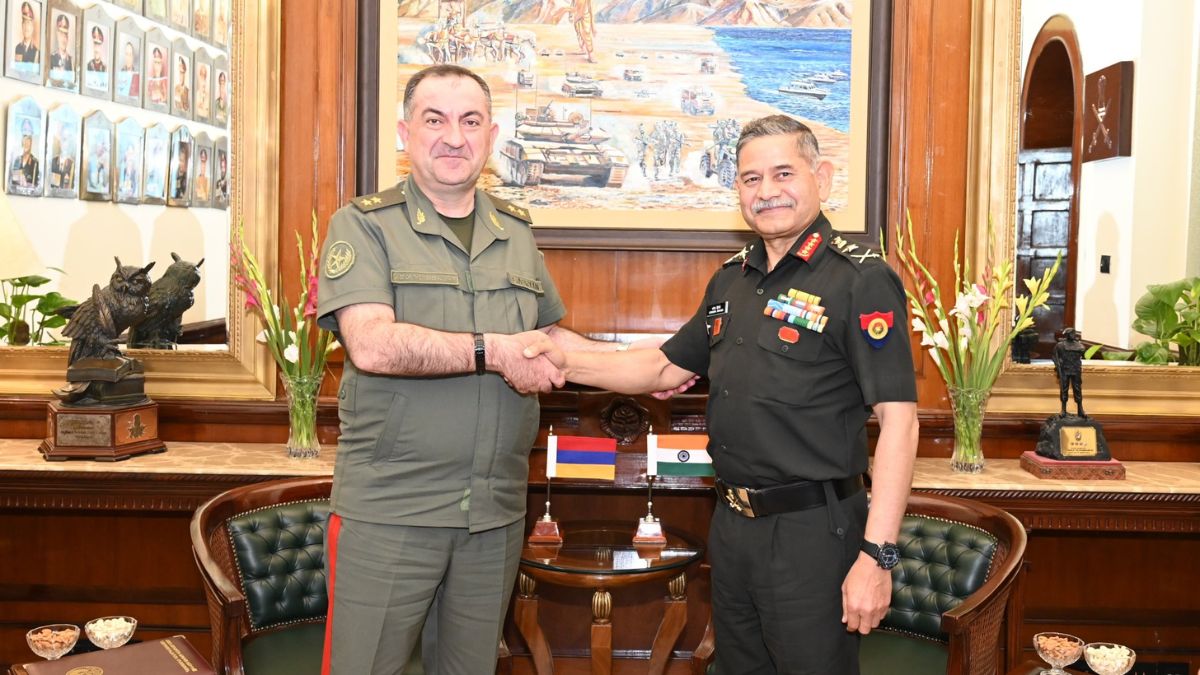
Meanwhile, Defence Minister Rajnath Singh, after signing the security and defence partnership, said he looked forward to greater cooperation with EU countries across defence and strategic domains. He and EU leaders also underlined the importance of deepening cooperation in multilateral forums, signalling closer coordination on global security challenges.
“As the global order shifts, strong partnerships multiply our strength,” Kallas said, stressing that the EU would continue to deepen diplomatic and economic ties with trusted partners worldwide.