MoD Seeks Indigenous 9mm Pistols As Army Moves To Modernise Close-Combat Firearms
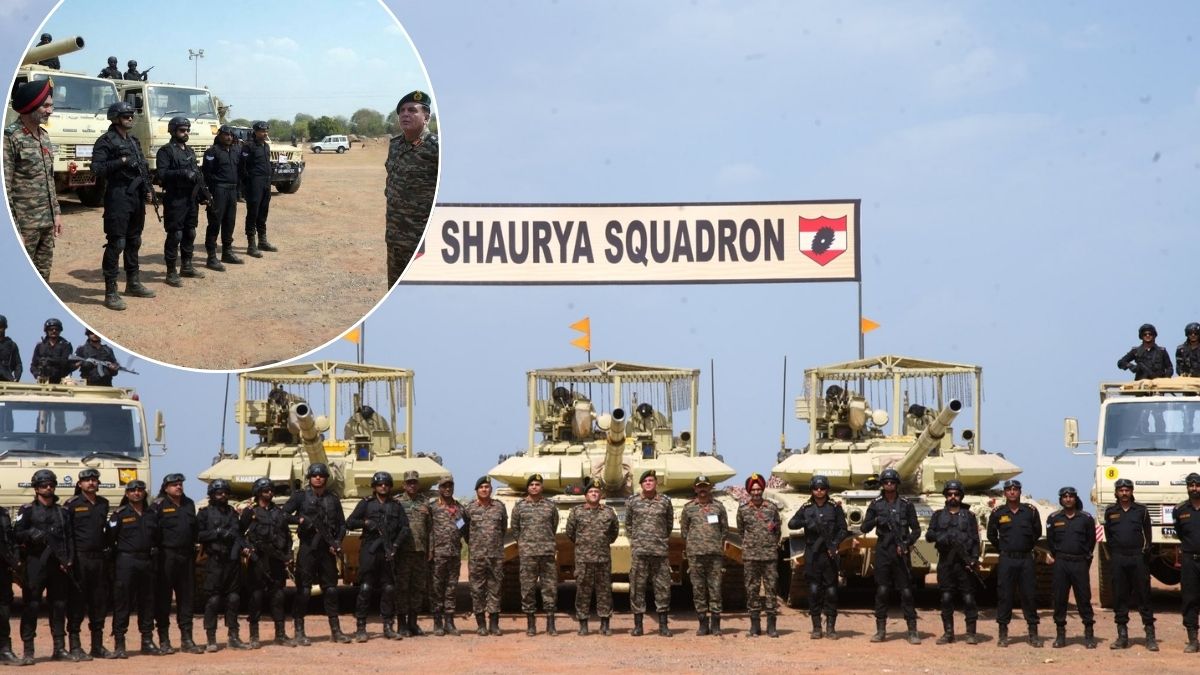
As the Indian Army looks to replace long-serving pistols, the Ministry of Defence is assessing indigenous options designed to meet modern close-combat and all-terrain operational requirements.Image courtesy: X.com/@PIB_India

In a significant push to modernise the Indian Army’s close-combat capabilities and boost domestic defence manufacturing, the Ministry of Defence (MoD) has issued a Request for Information (RFI) seeking indigenous options for a new-generation 9mm pistol.
The proposed procurement covers around 100,000 pistols to replace ageing service weapons currently in use.
What does the Army want in its 9mm pistol?
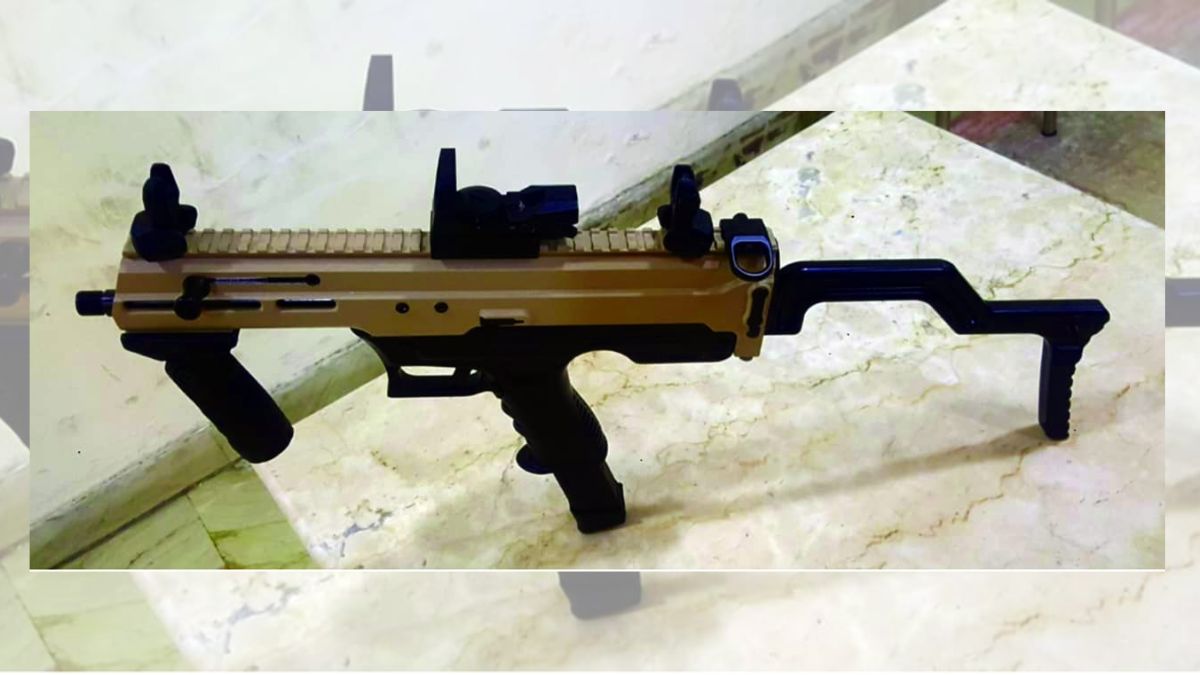
The RFI outlines the Army’s requirement for a modern 9mm pistol equipped with advanced accessories such as night sights and targeting options, reflecting the evolving nature of battlefield threats and urban combat scenarios.
The new weapon is intended to replace the existing 9mm semi-automatic, magazine-fed pistol manufactured by Rifle Factory Ishapore, which has long been the standard sidearm for close-range engagements.
What are the specifications of the pistol sought?
According to the MoD, the Army is seeking pistols with ambidextrous controls, suppressor compatibility, and accessory rails to support modular upgrades and improve operational flexibility.
While special forces units have traditionally relied on imported 9mm pistols, the Army is now shifting focus towards advanced indigenous solutions aligned with the government’s ‘Make in India’ initiative.
How has India progressed on indigenous pistols?
The RFI comes amid ongoing efforts by the Defence Research and Development Organisation (DRDO) and the Indian Army to develop a modern 9mm pistol for counter-insurgency and counter-terrorism roles.
That effort has reportedly incorporated 3D-printed components and design features aimed at improving performance and rate of fire.
Why is India insisting on quality in the pistols?
Crucially, the MoD has mandated that the new pistol must operate reliably across India’s diverse operational environments, from the heat of western desert sectors to extreme winter conditions above 18,000 feet in the Himalayas.
The weapon and its accessories must function effectively by day and night and allow future upgrades through simple, non-structural modifications without compromising performance.