India’s Hypersonic Anti-Ship Missile More Capable Than Supersonic BrahMos: DRDO Chief

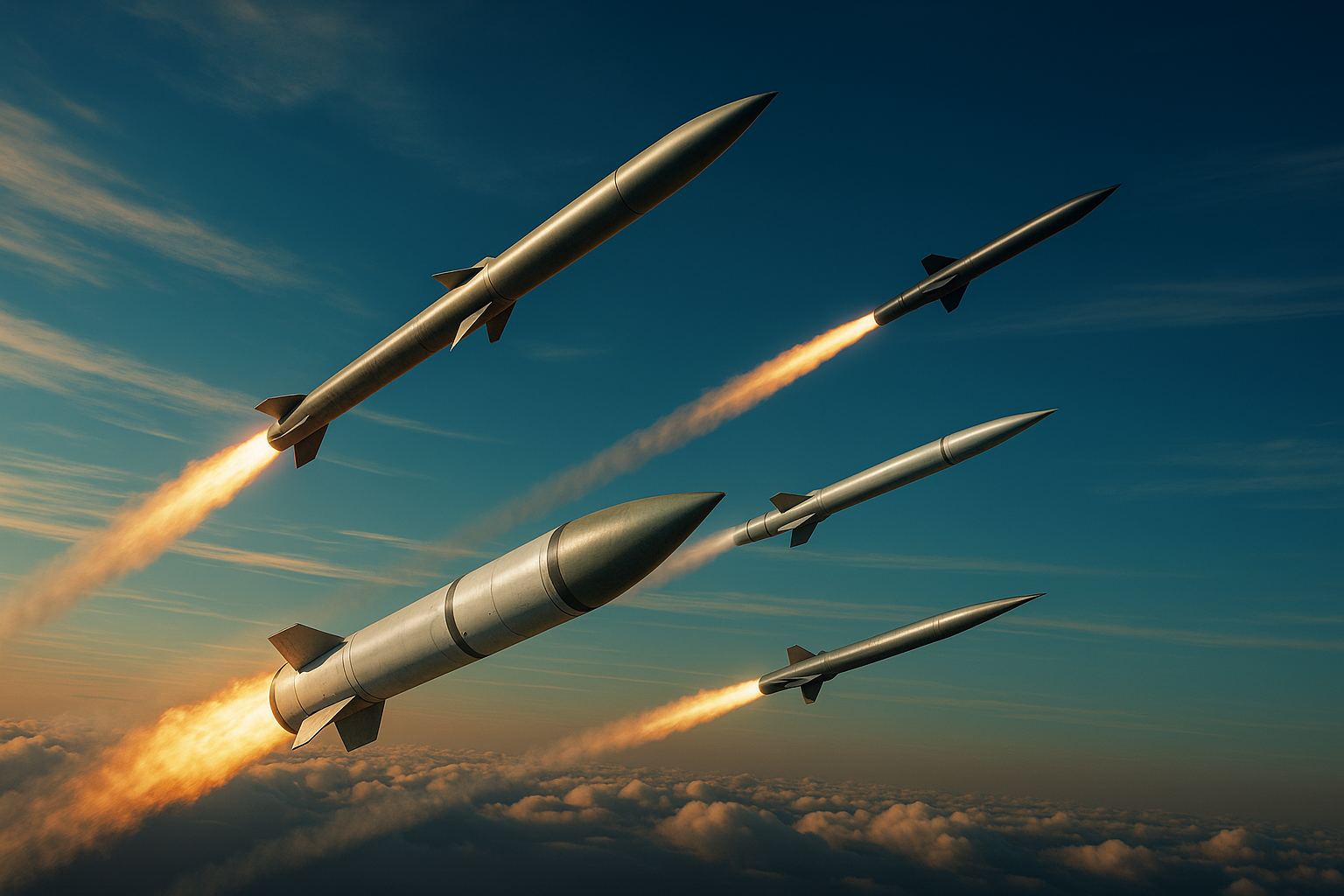
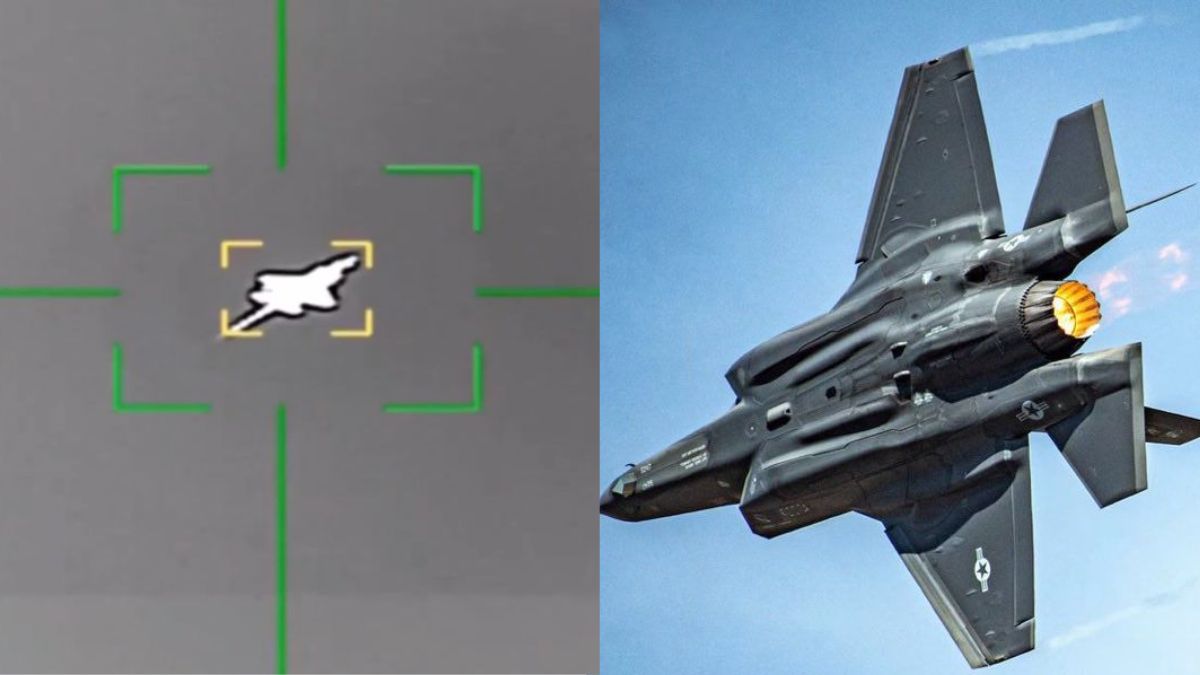
India’s hypersonic missile programme is entering a decisive phase, with DRDO indicating that the next-generation anti-ship system will surpass the capabilities of the BrahMos and reshape naval strike power.Image courtesy: AI modified picture via DALL-E

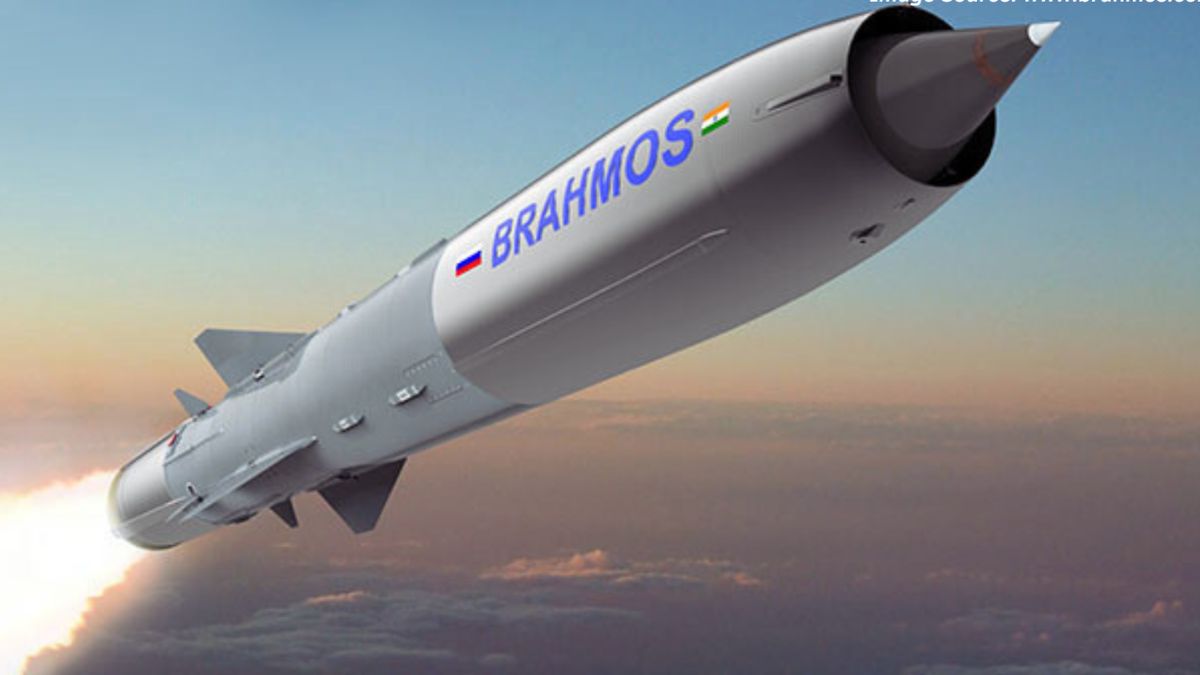
India’s next big defence technology leap would be in the form of a hypersonic anti-ship missile and it could be more capable than the supersonic BrahMos cruise missile that the Indian armed forces successfully used to destroy Pakistan’s military bases during the May 2025 Operation Sindoor.
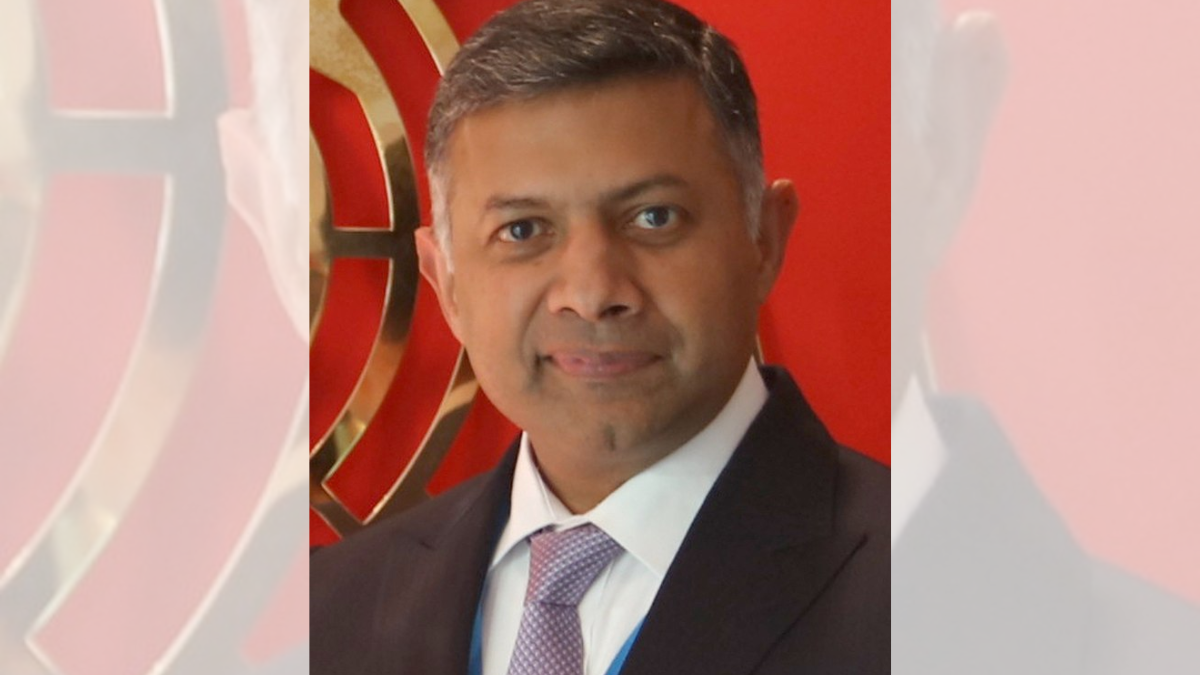
Defence Research and Development Organisation (DRDO) Chairman Dr Samir V. Kamat told an Indian news agency that the Long-Range Anti-Ship Hypersonic Missile (LR-AShM) would have more capabilities than the currently in-service BrahMos missile.
Confirming that India had already carried out two development trials of the hypersonic missile, he said a third test was scheduled to take place soon.
“Once these development trials are over, we will offer it to the user for user evaluation trials. Then these missiles should get inducted,” he was quoted as saying.
Predicting that the hypersonic missile would be a “gamechanger” for the Indian armed forces, he said the weapon system would have more capabilities than BrahMos, as its speed and range would be much greater. “So, it will definitely add to the arsenal of our services,” he said.
The LR-AShM’s successful testing has positioned India among a select group of nations with hypersonic missile capabilities, such as the US and China.
The DRDO, Kamat said, was working on a land attack variant of the hypersonic missile, which was “slightly at an earlier stage” than LR-AShM. “We have plans to take up the air launch version but that will be after the land launch or ship launch versions are complete.”
Welcoming the defence budget announced on Sunday (February 1), the DRDO chief said, “The budget is very good for the defence sector. Not only has the capital outlay been increased to Rs 1.39 lakh crore for indigenous systems, but overall, it has been raised to Rs 2.19 lakh crore, which is very positive for the development of systems within the country.”
He added that the capital budget increase for DRDO would help development of new technologies and indigenous systems.