Pezeshkian Says Iran Unwilling to Compromise, as US Estimated $5 Billion Worth of Damage to Assets in West Asia
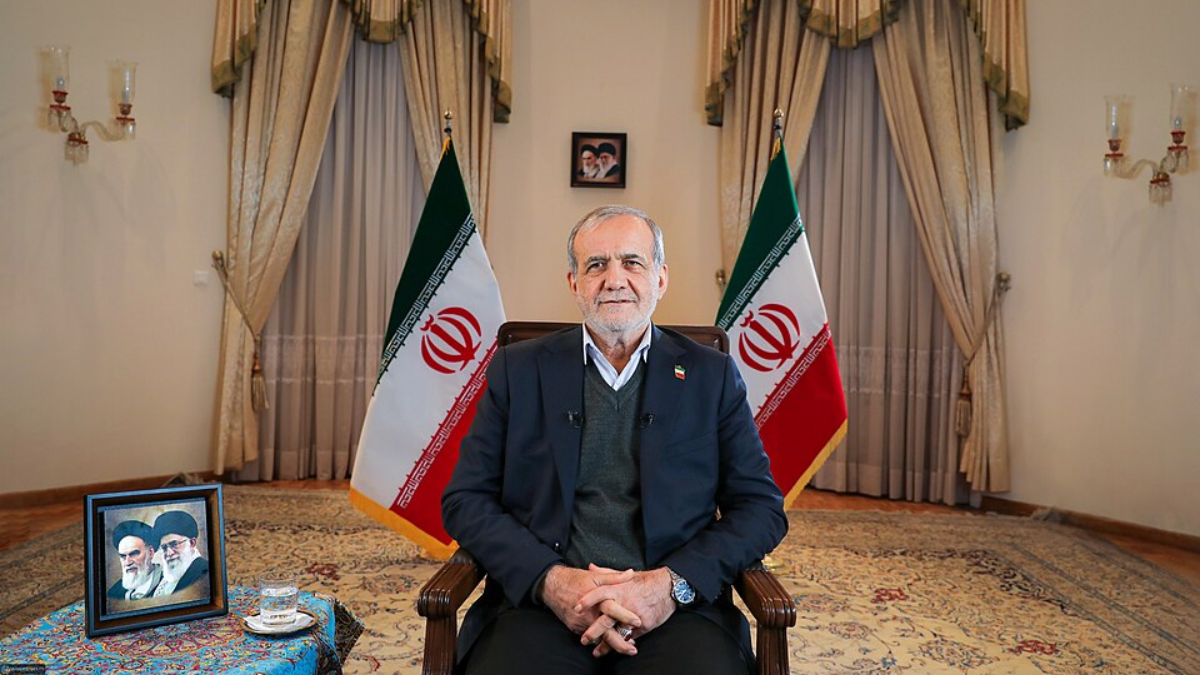
Masoud Pezeshkian US pressure statement. Image courtesy: Wikimedia

Iranian President Masoud Pezeshkian on Sunday (April 26, 2026) conveyed to Pakistani Prime Minister Shehbaz Sharif that his nation would not enter into any negotiations under pressure, threats, and siege.
During a telephone conversation, Pezeshkian criticised the continued violation of the ceasefire agreement and coercion by the US through a blockade of Iranian ports.
Expressing doubts over the US commitment to peace, he said the American actions through the naval blockade of Iran constituted a clear breach of the ceasefire and were inconsistent with the UN charter.
However, he reaffirmed Iran’s resolve to defend itself and warned of consequences, including escalation in the war with the US and Israel, for the West Asian region and global stability.
Iran remained committed to building and strengthening relations with all neighbouring countries, including those along the southern shores of the Persian Gulf, based on good neighbourliness and mutual respect, he added.
Meanwhile, Iran’s Foreign Minister Abbas Araghchi landed in Russia for talks with President Vladimir Putin on the ongoing West Asian conflict, apart from a meeting with his counterpart Sergei Lavrov.
The engagement with the Russian leadership was part of the diplomatic outreach by Iran to impress upon its friends on its position with regard to the stalled peace talks, mediated by Pakistan.
Araghchi was in Pakistan and Oman, and also spoke with his Turkish counterpart, as part of the diplomatic push to present its views on the West Asian conflict.
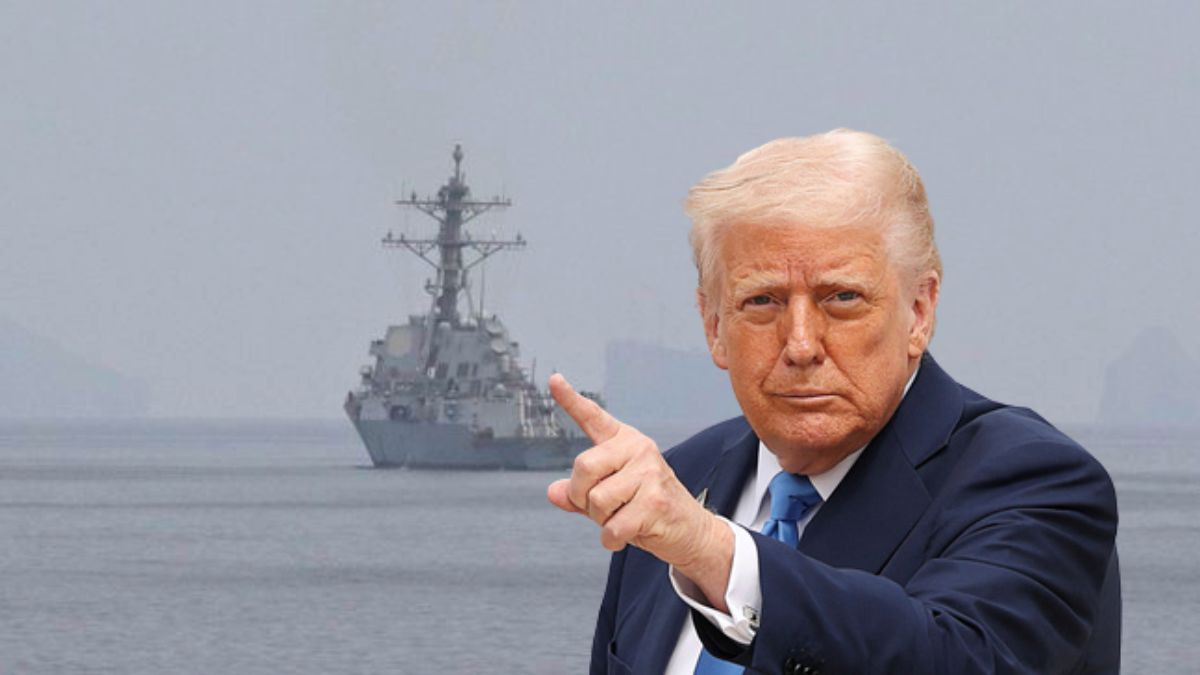
The Iranian diplomatic efforts come as US President Donald Trump canceled a scheduled visit of his diplomatic envoys to Islamabad to seek a meeting with the Iranian delegation that was in Pakistan at the same time.
Meanwhile, news reports in the West emerged, claiming that Iran caused damage to US military assets and bases in the Gulf region, worth billions of dollars.
The report has triggered a debate in the US on the Trump administration’s transparency regarding the costs of repairs of these military assets and bases in the Gulf region.
The reports, quoting unnamed people familiar with the matter, claimed runways, high-end radar systems, dozens of aircraft, warehouses, command headquarters, hangars, and satellite communication infrastructure were damaged in Iranian missile and drone strikes during the West Asian war that began on February 28.
The military assets and bases that were destroyed by Iran spanned several West Asian nations, and the repairs could cost up to &5 billion, without including the fixes for radars, weapon systems, aircraft, and other equipment that were damaged beyond repair.
Among the US military infrastructure damaged during Iranian strikes were Camp Buehring, Camp Arifjan, and Shuaiba Port in Kuwait; Al Dhafra air base and Al Ruwais military base in the UAE; Prince Sultan air base in Saudi Arabia, Muwaffaq Salti air base in Jordan, and the US Navy Fifth Fleet headquarters in Bahrain.
Iranian forces had also struck Ali Al Salem Air Base in Kuwait, a runway at Al Udeid Air Base in Qatar, and a munitions storage facility at a military base in northern Iraq.