37 Indian Ships with Over 1,000 Seafarers Stranded in War-Hit West Asia, as Trump Decides to Escort Oil Tankers
Trump Orders Escort Amid Gulf Tensions

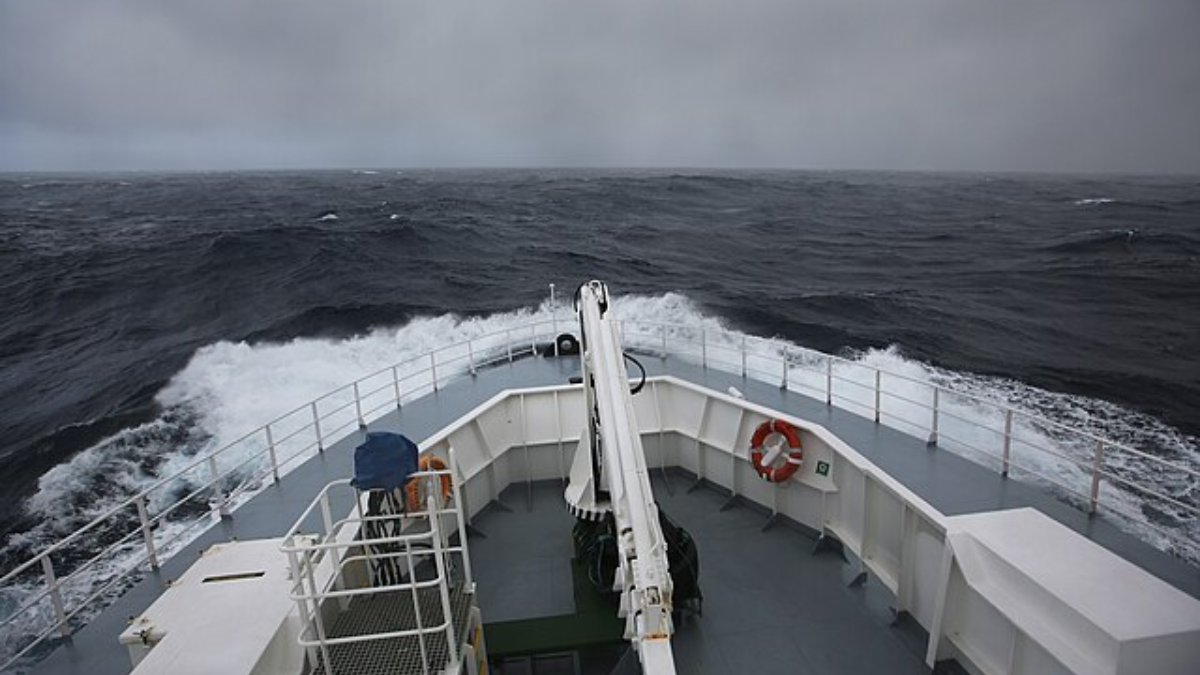
As many as 37 Indian-flagged ships carrying over 1,109 seafarers were stranded in the Persian Gulf, the Gulf of Oman, and adjoining waters, including the Hormuz Strait, as military tensions between the US-Israel combine and Iran escalated in the last five days.
According to the Directorate General of Shipping, due to the closure of the key shipping routes in West Asia, Indian-flagged ships and the crew members were stuck around the region at different locations. The region is the busiest for oil container traffic, as it is a key supply route for the energy security of the entire world.
The West Asia conflict has already claimed three Indian seafarers’ lives on board foreign-flagged vessels that came under Iranian attacks in the last couple of days.
The DGS is maintaining constant communication with shipping companies and monitoring the situation closely to prevent loss of lives. The Shipping Ministry too has set up a dedicated quick response team to ensure coordination among authorities and to provide assistance to the affected seafarers and their families.
Shipping companies and Recruitment and Placement Service Licensees (RPSLs) were advised to exercise caution in deploying crew and to maintain regular communication with sailors and their families. Helpline numbers have also been activated and shared.
The DGS issued advisories for maritime operators to assess the voyage-specific risks before embarking on the journey in view of disruptions in the sea lanes of communication.
Shipping Minister Sarbananda Sonowal chaired a review meeting on Tuesday (March 3, 2026) to assess the security situation in the Persian Gulf and evaluate its implications for Indian maritime assets and personnel.
Close coordination is being maintained with the Indian Navy, the Ministry of External Affairs, the Information Fusion Centre–Indian Ocean Region (IFC-IOR), the Maritime Rescue Coordination Centre (MRCC), and Indian missions abroad.
Meanwhile, an Iranian Revolutionary Guards senior official said on Monday (March 2, 2026) that the Strait of Hormuz is closed and Iran will fire on any ship trying to pass. This was the Iranian military’s first direct warning to ships transiting the Hormuz Strait through which one-fifth of the world’s oil traffic flows, sending crude prices sharply higher.
“The strait (of Hormuz) is closed. If anyone tries to pass, the heroes of the Revolutionary Guards and the regular navy will set those ships ablaze,” Ebrahim Jabari, a senior adviser to the Guards commander-in-chief, said in remarks carried by state media.
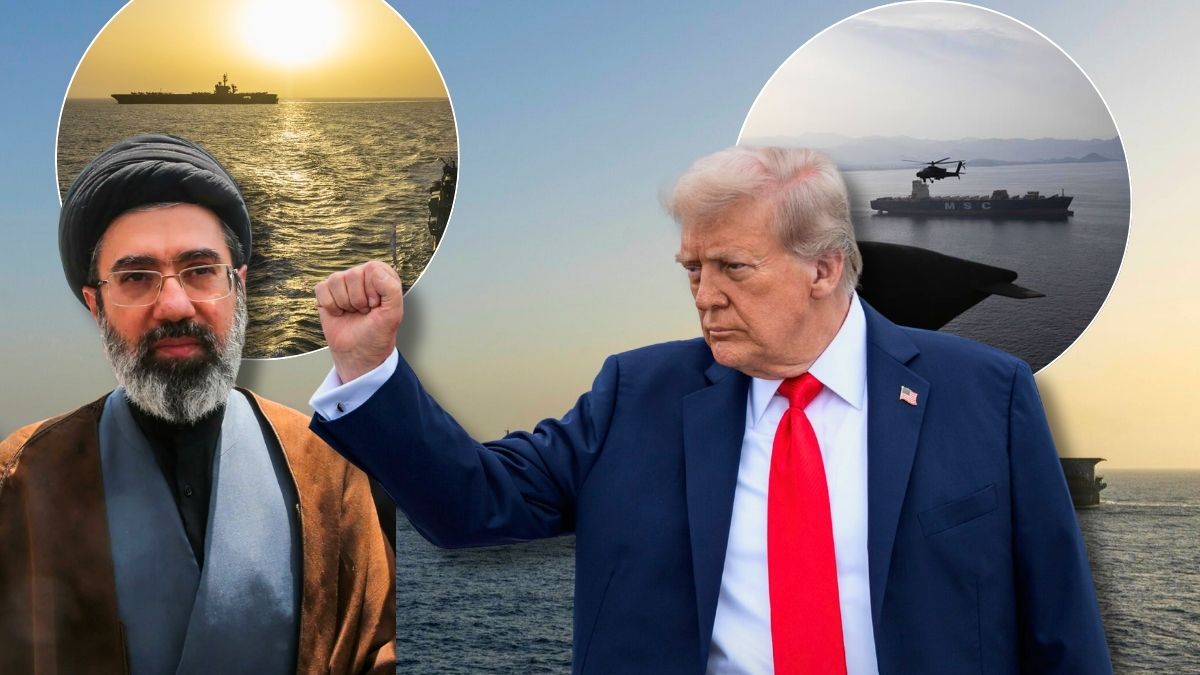
US President Donald Trump on Tuesday (March 3, 2026) said the American Navy would escort oil tankers through the Hormuz Strait if necessary, as the shipping industry was concerned over energy supply disruptions amidst the war in Iran, adversely impacting global markets.
“If necessary, the United States Navy will begin escorting tankers through the Strait of Hormuz as soon as possible. No matter what, the United States will ensure the FREE FLOW of ENERGY to the WORLD,” Trump said in a post on Truth Social.
“Effective IMMEDIATELY, I have ordered the United States Development Finance Corporation (DFC) to provide, at a very reasonable price, political risk insurance and guarantees for the Financial Security of ALL Maritime Trade, especially Energy, traveling through the Gulf,” Trump said.
“This will be available to all Shipping Lines. If necessary, the United States Navy will begin escorting tankers through the Strait of Hormuz as soon as possible. No matter what, the United States will ensure the FREE FLOW of ENERGY to the WORLD. The United States’ ECONOMIC and MILITARY MIGHT is the GREATEST ON EARTH — More actions to come,” he added.
The remarks came as world oil prices surged around eight percent, with Brent crude topping $85 a barrel for the first time since July 2024. European natural gas prices rose for a second consecutive day as the conflict in West Asia disrupted exports.