After Trump’s 10-15 Days Deadline, Iran Signals Nuclear Counterproposal Amid Increased US Military Buildup
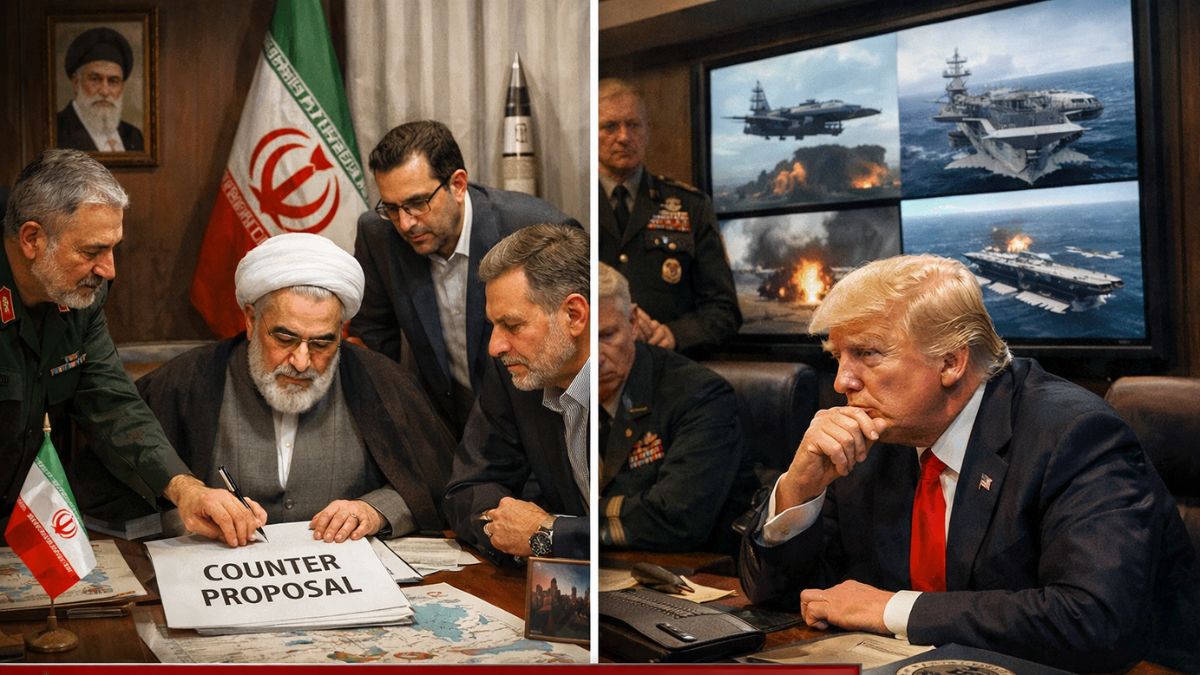
Trump has given Tehran a deadline of 10 to 15 days to make a deal or face "really bad things". Image courtesy: AI-generated picture via Sora

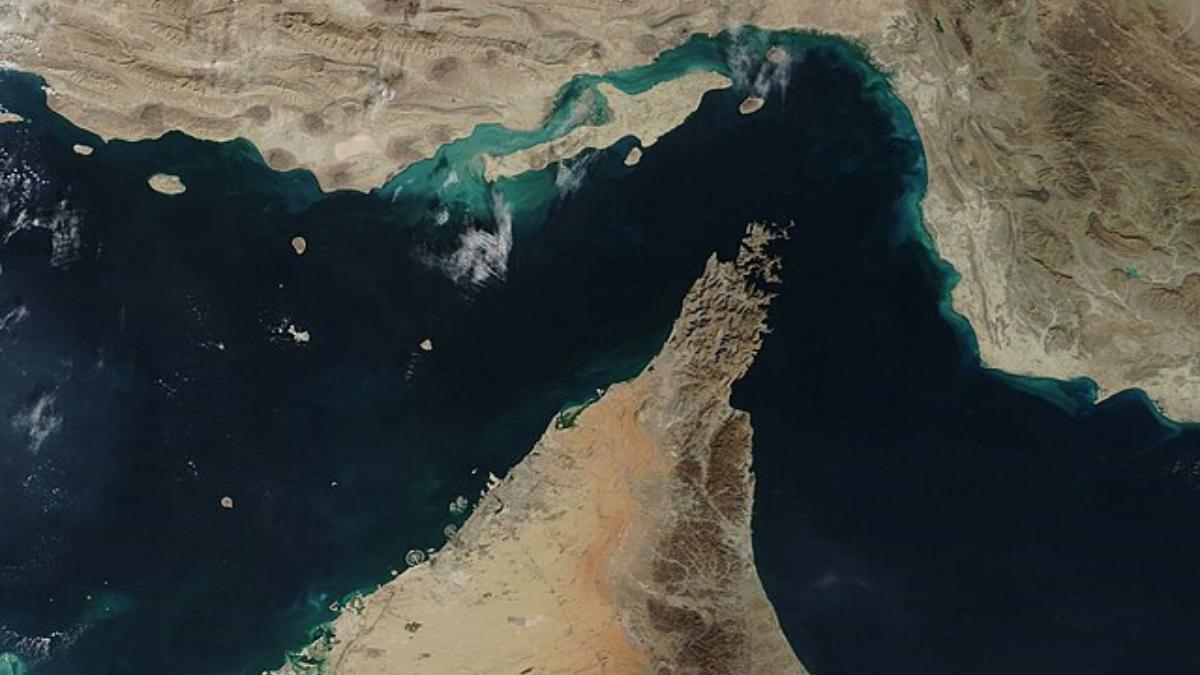
Unless you have been living under a rock, you would be aware how the tensions between the United States and Iran are flaring up, with Washington deploying significant military, air power near the mideast region. Amid all this, Tehran has signalled it might be working on a counterproposal over the nuclear deal.
Iran’s Foreign Minister recently said a draft counterproposal on the nuclear issue would be ready within days, while US President Donald Trump confirmed he is considering limited military strikes if talks fail. With this, he also shared that the United States has not demanded zero enrichment.
The developments come against the backdrop of a significant US military buildup in the Middle East and renewed fears of a wider regional conflict.
Iran-US tensions: Is diplomacy still on the table?
Iranian Foreign Minister Abbas Araqchi said he expects to finalise a draft counterproposal within the next two to three days following indirect nuclear talks in Geneva this week with US Special Envoy Steve Witkoff and Jared Kushner.
Araqchi said the two sides had reached an understanding on broad “guiding principles,” but cautioned that this did not mean a deal was imminent. He indicated that further talks could take place within a week. “What we are now talking about is how to make sure that Iran’s nuclear program, including enrichment, is peaceful and would remain peaceful forever,” he told MS NOW in an interview.
The Iranian FM added that technical and political confidence-building measures could be implemented in exchange for sanctions relief, though he did not elaborate. He crucially stated that during the Geneva discussions, the US did not demand zero uranium enrichment, and Iran did not offer to suspend enrichment.
Why is the US threatening military action?
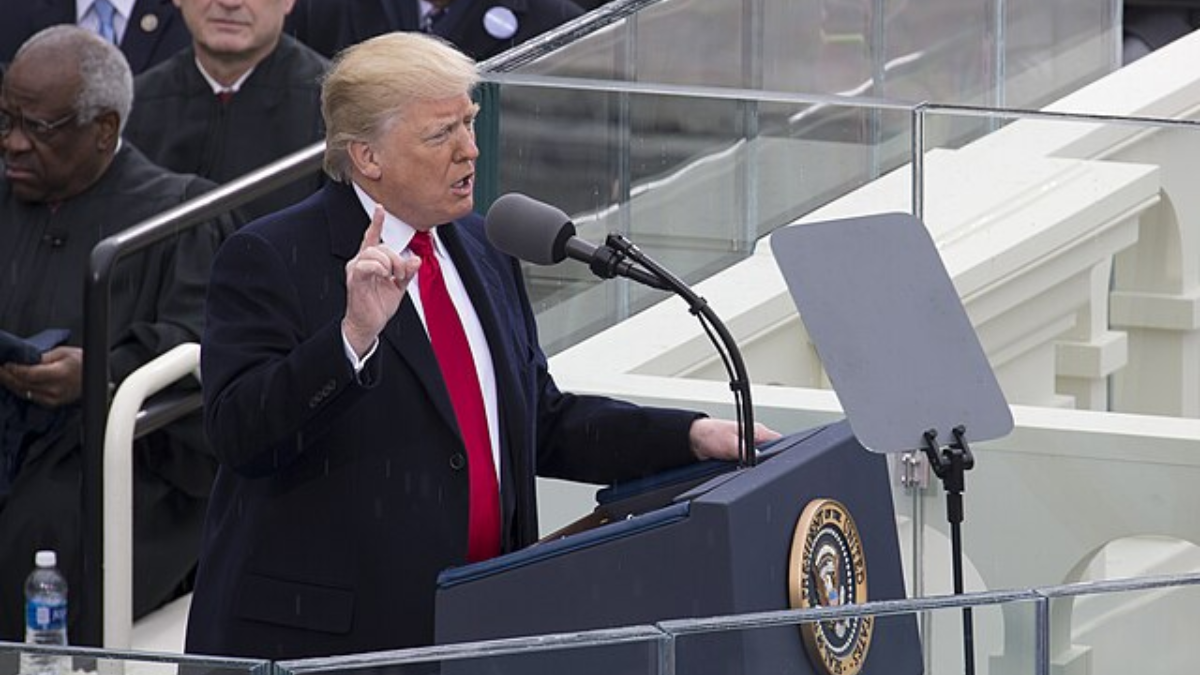
President Trump has given Tehran a deadline of 10 to 15 days to reach a deal resolving the long-running nuclear dispute or face “really bad things.” Asked at the White House whether he was considering a limited strike to pressure Iran, Trump responded: “I guess I can say I am considering it.” He later added: “They better negotiate a fair deal.”
Two US officials told Reuters that military planning has reached an advanced stage, with options reportedly including targeted strikes on individuals and even scenarios involving leadership change in Tehran, if authorised by the president.
The White House reiterated its position that Iran “cannot have nuclear weapons or the capacity to build them, and that they cannot enrich uranium.”
What does the recent escalation say about US-Iran tensions?
The renewed crisis follows months of heightened friction. In June 2025, US and Israeli forces bombed Iranian nuclear facilities and select military sites. In January 2026, Trump resumed threats of military action after Tehran suppressed widespread domestic protests with deadly force.
On Friday, US President Trump cited unverified figures suggesting tens of thousands had been killed in the crackdown, while Iran sharply disputed those claims.
The US-based Human Rights Activists News Agency (HRANA) has documented over 7,000 verified deaths, with thousands more cases under review. Iran, however, says a comprehensive official list records 3,117 fatalities. Araqchi dismissed higher casualty claims and called for evidence to support them.
What is the international community saying?
The United Nations expressed concern about the increasingly confrontational rhetoric and military activity.
UN spokesperson Stéphane Dujarric urged both sides to continue diplomatic engagement to settle their differences, warning that further escalation could destabilise an already volatile region.
Military action, Araqchi cautioned, would complicate efforts to secure a deal that he believes remains within reach “in a very short period of time.”