After UAE Trilateral Talks End Without Breakthrough, Russia-Ukraine Peace Talks To Continue Next Week
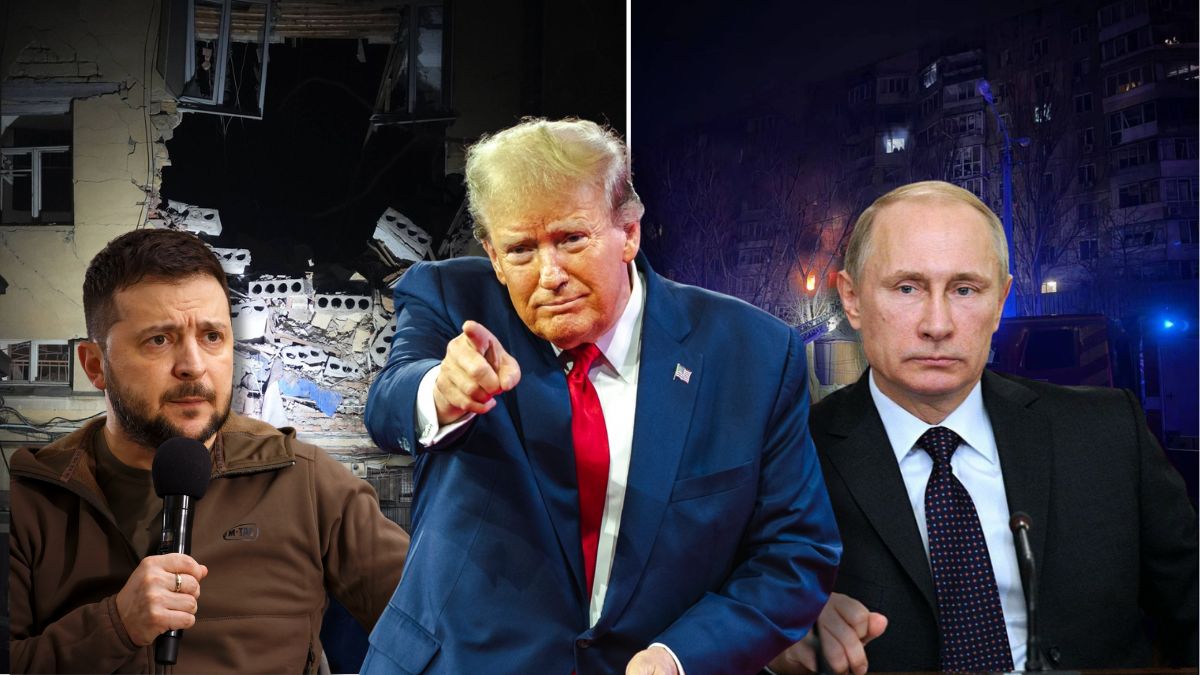
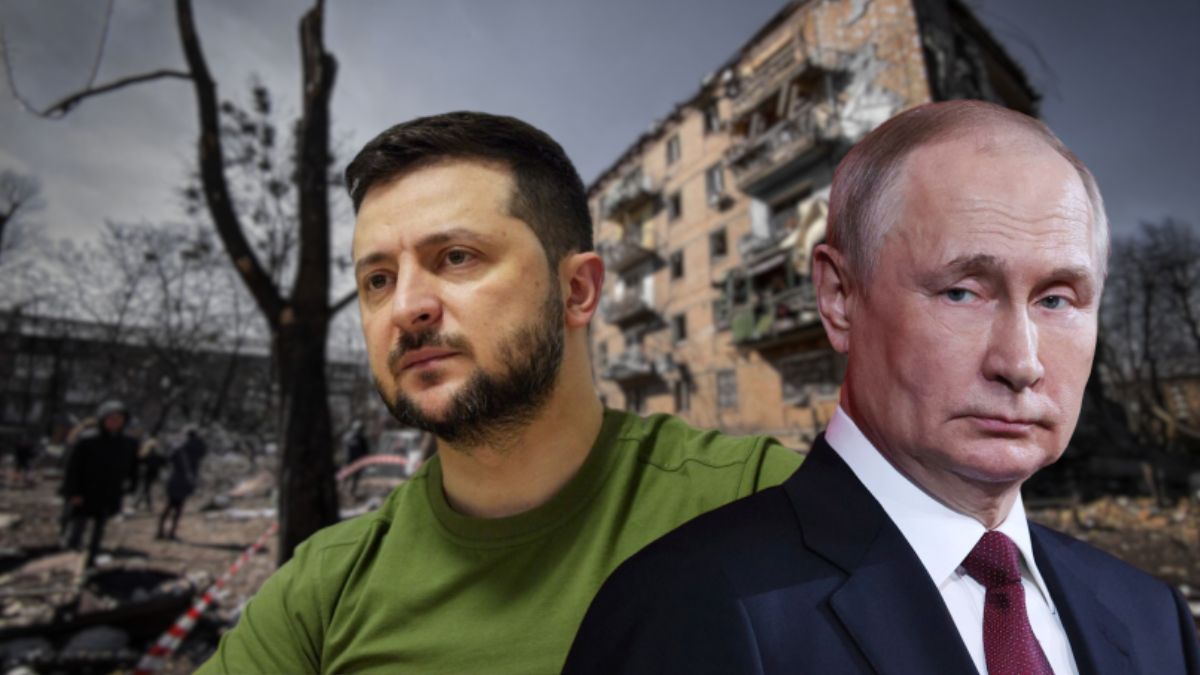
Ukrainian President Volodymyr Zelenskyy said they are doing everything to ensure that joint actions are enough to truly protect Ukraine. Image courtesy: RNA

Fresh diplomatic efforts to end Russia’s war on Ukraine have shown tentative momentum but stopped well short of a breakthrough as officials from both the sides met in the United Arab Emirated (UAE) with representatives from the US last week. While there was no majo outcome of the trilateral meeting, the mediators are set to meet again soon.
Senior Russian and Ukrainian officials, alongside US mediators, have described recent talks as “constructive,” yet all sides acknowledge that fundamental disagreements, particularly over territory and security guarantees, remain unresolved.
Kremlin spokesman Dmitry Peskov said negotiations held in Abu Dhabi between envoys from Russia, Ukraine and the United States showed “positive” early signs, with another round planned in the coming days, as early as next week. However, he was careful to temper expectations.
“The very fact that these contacts have begun in a constructive way can be assessed positively,” Peskov said, adding that “there is still serious work ahead.” He confirmed that no major breakthrough had been achieved so far.
Russia-Ukraine peace talks: Another meeting soon?
Peskov on Monday (January 26, 2026) said next round of US-mediated Russia-Ukraine peace talks is planned for next week, again in Abu Dhabi. The exact date has yet to be finalised, he said, though US media reported that the talks could resume on February 1.
“Planned for next week. I cannot name the exact date right now,” he said.
Why are the talks struggling to deliver a breakthrough?
Despite broad agreement in principle on the need for compromise, Moscow and Kyiv remain sharply divided over what a final peace deal should look like. At the heart of the deadlock lies the territorial question – whether Russia should retain, withdraw from, or be granted control over Ukrainian regions its forces currently occupy, particularly the eastern industrial Donbas region.
Ukrainian President Volodymyr Zelenskyy has clearly refused to withdraw troops from the region, and even voiced the same during his address to the World Economic Forum in Davos, Switzerland, last week.
German Foreign Minister Johann Wadephul criticised Moscow’s stance, warning that Russia’s “stubborn insistence” on territorial demands could doom the negotiations. “If there is no agility here,” Wadephul said during a visit to Latvia, “the negotiations may take a long time or will not be successful now.”
What role is the US playing in peace push?
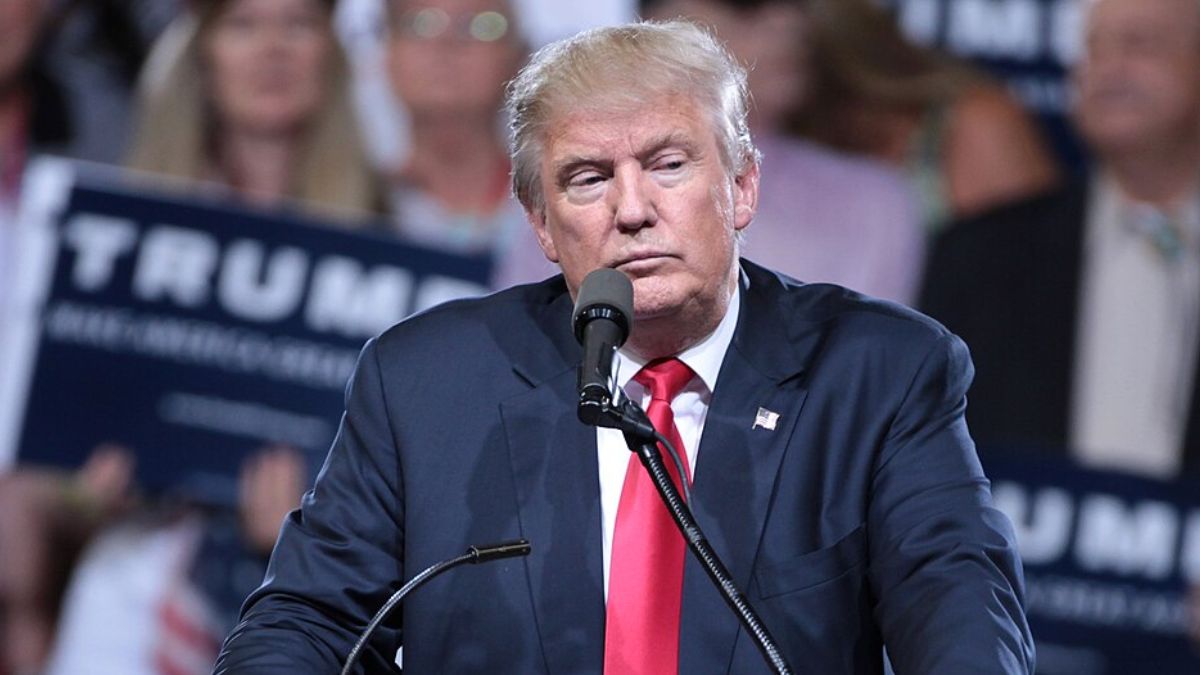
The talks are part of a year-long diplomatic effort by the Trump administration to broker an end to nearly four years of full-scale war. US President Donald Trump has publicly set deadlines for a deal and threatened additional sanctions on Moscow, though Russian President Vladimir Putin has shown little sign of softening his demands.
According to a US official, the weekend discussions in Abu Dhabi covered a wide range of military and economic issues, including the possibility of a ceasefire as an interim step before a comprehensive settlement.
Peskov noted that negotiations are proceeding at the expert level and work is being done by a working group. “Negotiations in this direct format are at an initial stage. It would be incorrect to discuss individual aspects of the issues on the agenda now, especially in a public format,” he said, adding there is no scheduled telephone conversation between Putin and Trump as of now.
How has Ukraine responded to latest negotiations?
Ukrainian President Zelenskyy also described the talks as constructive but acknowledged that “complex political issues” remain unresolved. He said a document outlining US security guarantees for Ukraine in a postwar scenario is “100% ready,” though it still awaits formal signing.
Zelenskyy has conceded that fundamental differences persist between Ukrainian and Russian positions, even as he claimed peace proposals are “nearly ready.
What’s happening on the battlefield?
While diplomats talk, the war along the 1,000-kilometre front line in eastern and southern Ukraine shows no sign of easing. Russia’s Defence Ministry said its air defences shot down 40 Ukrainian drones overnight, most over the Krasnodar region. Local officials reported fires at two industrial plants after drone debris fell, injuring one person.
Ukraine’s military, meanwhile, said it targeted an oil refinery in Krasnodar that supplies the Russian armed forces.
On the Ukrainian side, Russia launched 138 drones overnight, with Kyiv claiming 110 were intercepted or suppressed. Still, several strikes hit targets across 11 locations, compounding civilian hardship as winter sets in following months of bombardment.
Why Does a Ceasefire Still Look Distant?
Despite repeated rounds of talks and international pressure, neither side appears ready to compromise on core demands — Russia on territory, and Ukraine on sovereignty and long-term security guarantees.
As negotiations return to the UAE this week, diplomats warn that talks may drag on or collapse altogether unless there is meaningful movement on these issues. For now, the conflict remains locked in a grim pattern: cautious diplomacy at the table, and relentless violence on the battlefield.