
Condemning Pahalgam, Red Fort Attack To Defence Cooperation: PM Modi’s Malaysia Visit Results In Key Pacts, MoUs
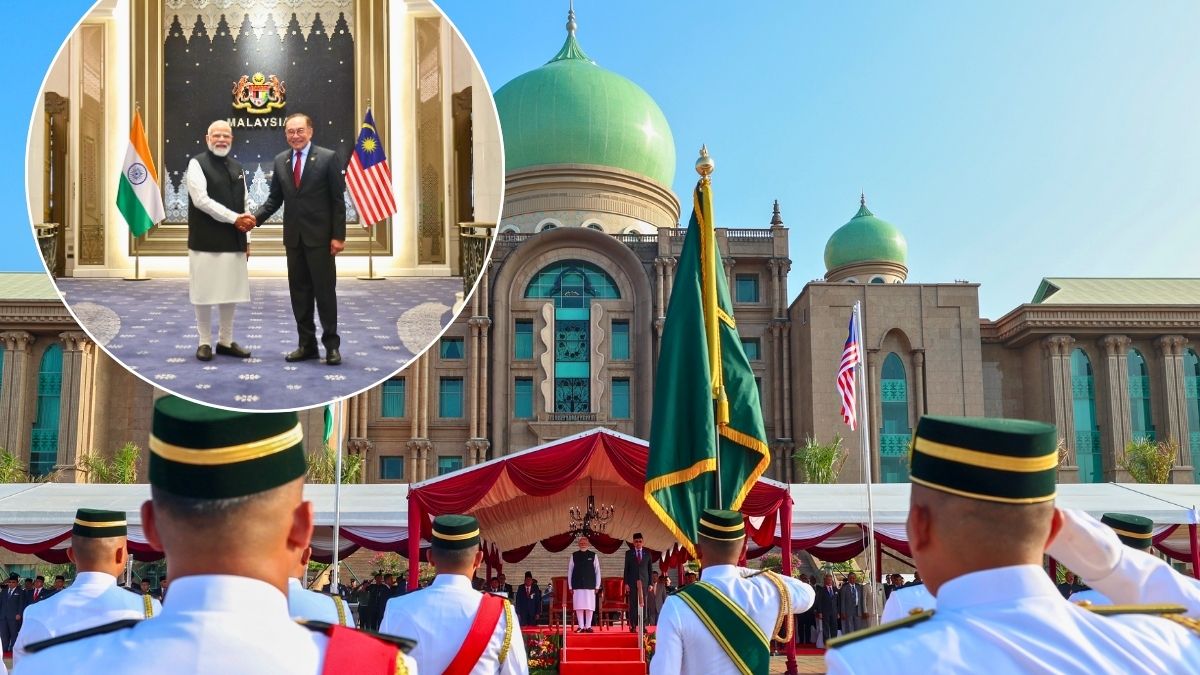
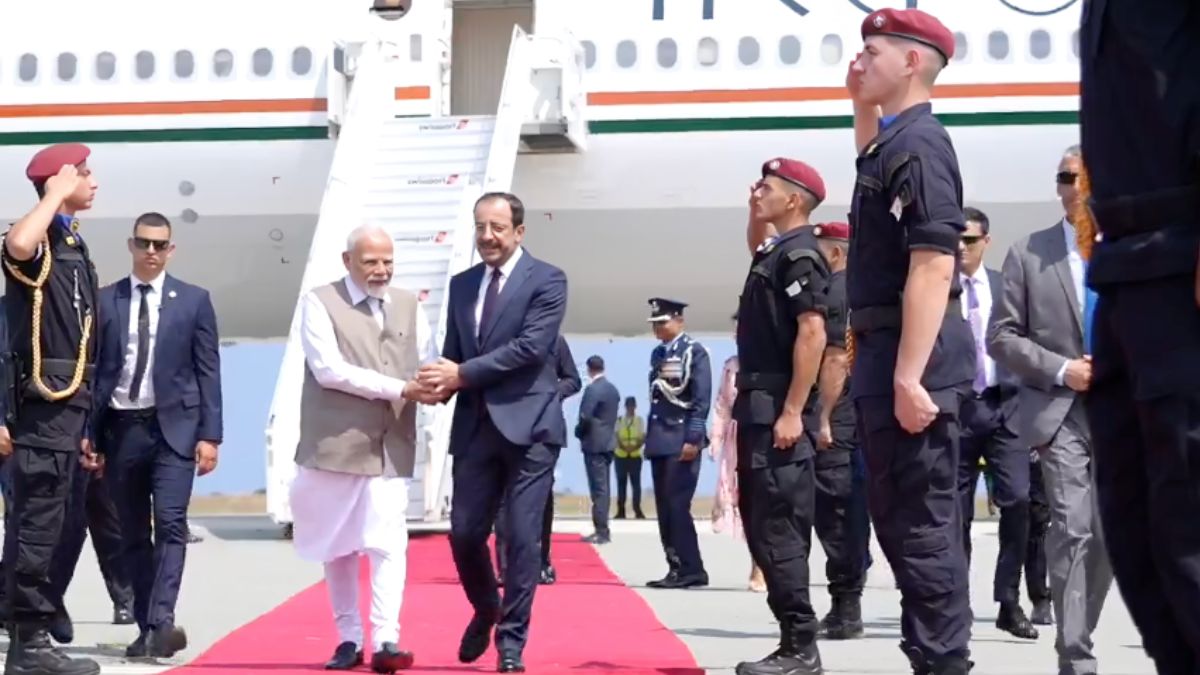
PM Modi and Ibrahim expressed satisfaction with the robust defence relationship between Malaysia and India. Image courtesy: RNA

Prime Minister Narendra Modi undertook his international visit of the year to Malaysia, which marked a major push to deepen the relations between both the countries. From announcing the opening of a new Indian Consulate in Malaysia, OCI expansion to undertaking comprehensive review of bilateral cooperation, a lot happened.
India and Malaysia both unveiled a wide-ranging package of agreements. A key highlight of the visit was that the Malaysian side has condemned the April 2025 attacks in Pahalgam, they also condemned the Red Fort attack, which claimed around a dozen lives in November 2025.
The outcomes reflect the expanding scope of the Comprehensive Strategic Partnership, elevated in August 2024, and signal stronger alignment across strategic, economic and people-centric sectors.
PM Modi Malaysia visit: What sectors did both sides prioritise?
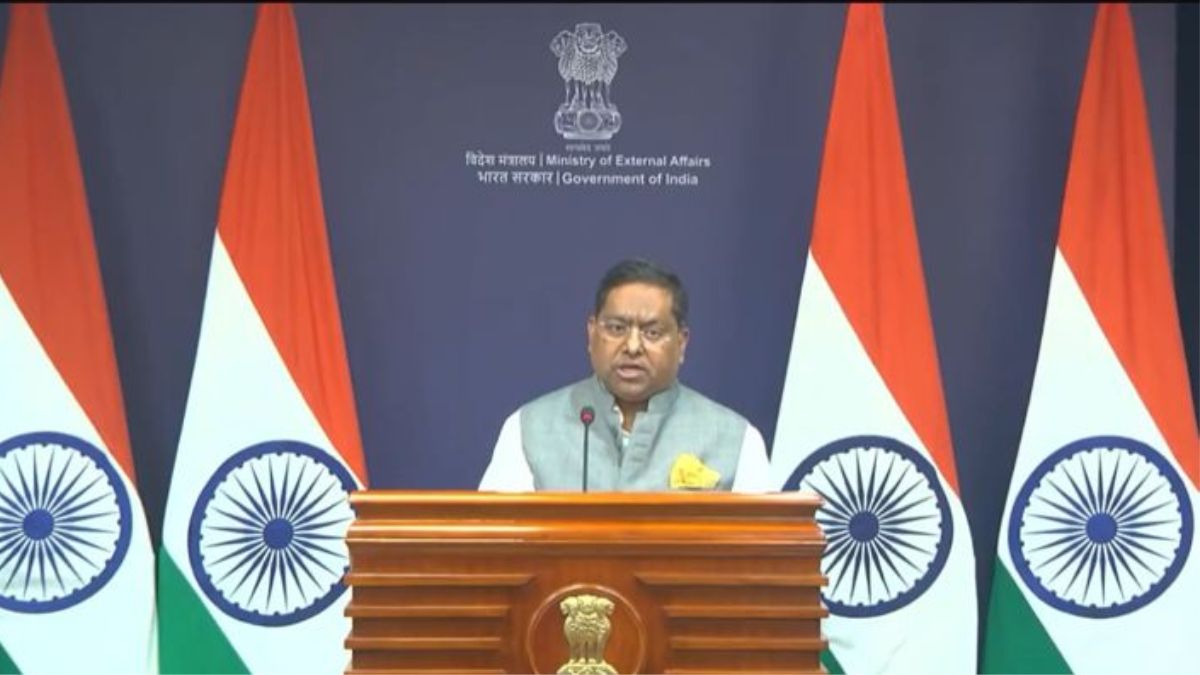
According to Ministry of External Affairs Secretary (East) P Kumaran, the two Prime Ministers reviewed cooperation across the full spectrum of ties, spanning trade, investment, defence and security, semiconductors, digital and financial technologies, renewable energy, education, healthcare, culture, tourism and people-to-people exchanges.
The leaders also exchanged views on key regional and global developments, with a shared emphasis on stability and growth in the Indo-Pacific.
Recognising India as a vital global economic partner, Malaysia appreciated the growth in bilateral trade. Both leaders underscored that this partnership is one of mutual value and strategic synergy, along with agreeing to enhance trade facilitation and explore expanded potential in diverse areas.
India-Malaysia ties: Which major agreements, MOUs were signed?
The talks were followed by the exchange of several bilateral agreements and memoranda of understanding in priority areas. These included cooperation in semiconductors, health and medicine, security, and technical and vocational education, reinforcing institutional and capacity-building linkages.
The two PMs welcomed the growing bilateral investments and encouraged greater cooperation and investments across priority sectors including in Infrastructure, Energy, including Renewable Energy, Advanced Manufacturing, Semiconductors, Healthcare, Digital economy, Fintech, Startups, Artificial Intelligence, Hospitality, Green Technologies and other high value sectors.
Additional agreements were concluded in governance and disaster management, underlining shared approaches to resilience and crisis response.
How counter-terrorism featured in India-Malaysia talks
While strongly condemning terrorism in all its forms and manifestations, including cross-border terrorism, Indian and Malaysian PM together called for zero tolerance of terrorism and for concerted international efforts to combat terrorism in a comprehensive and sustained manner.
They also agreed to counter radicalisation and violent extremism; combat financing of terrorism; prevent use of new and emerging technologies for terrorist purposes, through cooperation in information and knowledge sharing, exchange of best practices and capacity building.
Anti-corruption and disaster response pacts
A notable outcome was the signing of an MoU between Malaysia’s Anti-Corruption Commission and India’s Central Bureau of Investigation (CBI), aimed at strengthening cooperation in combating and preventing corruption. An MoU on disaster management was also exchanged, enhancing coordination on preparedness, response and recovery in a region prone to natural disasters.
The visit further strengthened social and cultural ties through a memorandum of cooperation between India’s Employees’ State Insurance Corporation (ESIC) and Malaysia’s PERKESO on social security. An agreement on audiovisual cooperation was also signed, expanding collaboration in media, culture and creative industries.
Multilateral and conservation initiatives feature in the visit
PM Modi and his Malaysian counterpart Ibrahim witnessed the exchange of letters on the renewal of the bilateral MoU on UN peacekeeping cooperation, reaffirming joint commitments to global peace operations. Malaysia also handed over the instrument of its accession to the International Big Cats Alliance, aligning with India-led global conservation initiatives.
Among the additional outcomes were agreements on cross-border digital payments, including a pact between NIPM and PayNet on QR-based merchant payments, and an academic MoU between University of Cyberjaya and India’s Institute of Training and Research in Ayurveda under the Ministry of Ayush. These steps highlight growing collaboration in fintech, education and traditional medicine.
Why is the new Indian consulate a key announcement?
One of the most significant announcements during the visit was the decision to establish an Indian Consulate General in Malaysia. According to the MEA, the move will improve access to consular and passport services, strengthen outreach to the Indian diaspora, enhance commercial engagement and provide greater institutional support for Indians living and working in Malaysia.
In a joint press interaction, PM Modi highlighted the historical and cultural foundations of the relationship, noting that Malaysia hosts the second-largest Indian-origin population globally. Placing ties in a regional context, he described the Indo-Pacific as the world’s emerging growth engine and reaffirmed India’s commitment to peace, stability and development alongside ASEAN.