
Gwadar–KSA Rail and ML-1: Why Pakistan’s Rail Push Is Being Questioned


Pakistan’s latest push to expand rail connectivity linked to Gwadar is being promoted as a long-term investment in growth and integration. At the centre of this effort is ML-1, the Karachi–Peshawar main line that carries the bulk of the country’s rail traffic. The project aims to upgrade tracks, signalling and freight capacity so heavier cargo can move faster across the country. Alongside this, Gwadar-linked rail proposals are being discussed under CPEC and through engagement with Gulf partners, including Saudi Arabia.
On paper, the case is simple. Pakistan’s railways are outdated and inefficient. ML-1 is meant to fix that. Gwadar, meanwhile, is presented as the southern engine of a new logistics network that will finally bring development to Balochistan and connect Pakistan to regional markets. Rail links from the port into the national network are described as essential to make Gwadar viable.
But away from official briefings, a more complicated picture is emerging. Critics argue that the design and direction of these projects suggest a shift away from domestic economic priorities and toward transit-driven infrastructure meant primarily for foreign supply chains.
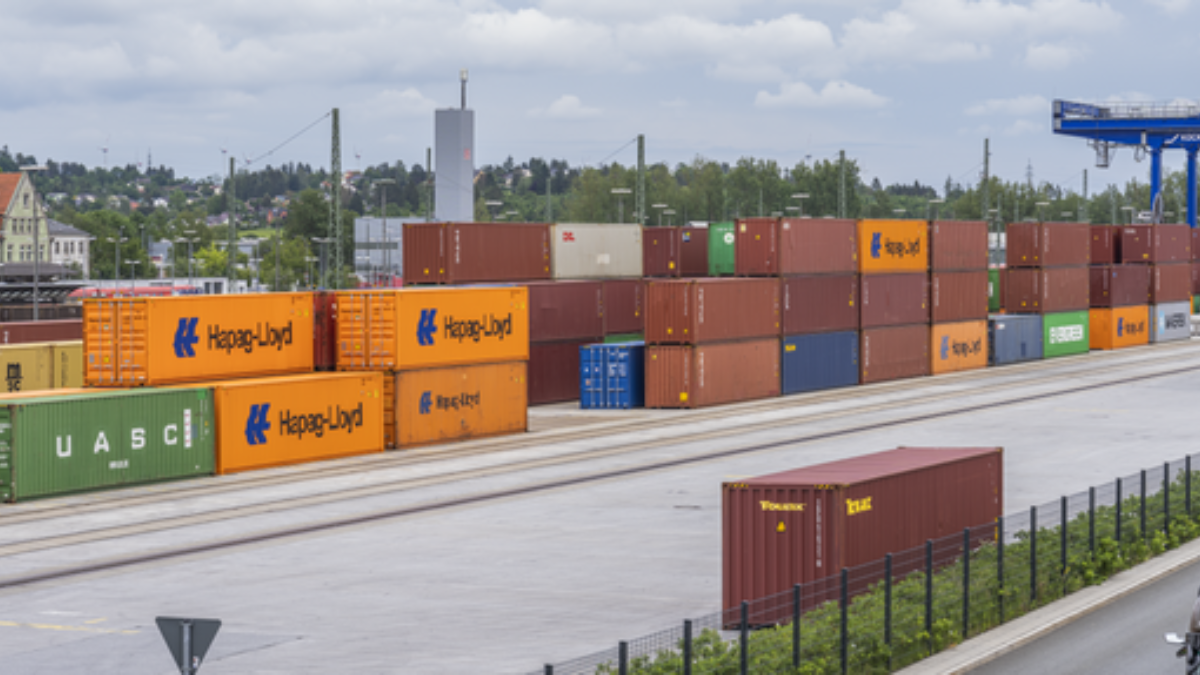
ML-1 and related freight corridors are being built for long-haul, high-volume cargo movement. This suits the needs of Chinese and Gulf logistics flows far more than Pakistan’s fragmented industrial base. In practical terms, Pakistan provides the route, the land, the ports and the security. What it does not yet provide at scale is value addition. Refining, manufacturing, processing and advanced logistics — the activities that anchor long-term growth — remain limited or located outside the country.
Gwadar sits at the heart of this concern. The port was sold as a catalyst for local industry and employment. Years on, it still functions more as a strategic node than an economic one. Rail connectivity from Gwadar increasingly looks designed to move external cargo inland rather than to serve domestic production. The risk is that Gwadar becomes a passage point, not a productive centre.
The Gwadar–KSA engagement fits into this pattern. Saudi involvement is framed as investment and cooperation, but the logic of rail connectivity points toward secure overland routes for energy and bulk cargo. Such routes reduce exposure to maritime chokepoints and provide strategic flexibility to external partners. For Pakistan, this means its coast and railways are shaped around foreign logistical needs, while domestic industrial planning lags behind.
This matters because Pakistan Railways is already under severe strain. Years of underinvestment have left it with ageing assets, operational inefficiencies and recurring losses. ML-1 is a capital-intensive project that requires heavy borrowing and long repayment periods. Currency risk and maintenance costs sit squarely with the Pakistani state. These obligations do not disappear once construction ends.
If traffic on these upgraded lines is dominated by foreign transit cargo, the economic returns for Pakistan may remain modest. Transit fees and construction activity do not compensate for the scale of debt and long-term upkeep involved. Without parallel investment in domestic industry, logistics hubs and local employment, Pakistan risks financing infrastructure that mainly serves others.
There is also a strategic dimension that receives little public discussion. Rail corridors linking Gwadar to Pakistan’s interior are not just commercial assets. In a region marked by competition and periodic crisis, they become sensitive infrastructure. In times of tension, such lines can turn into high-value targets. This pulls Pakistan’s heartland into risks tied to routes and cargo that are not necessarily connected to its own economic or political priorities.
Over time, infrastructure shapes choices. When ports and railways are built primarily to serve external flows, policy space can narrow. Decisions on security, diplomacy and crisis management become linked to the interests of those who rely on these corridors. What begins as connectivity can slowly turn into dependence.
Supporters of the current approach argue that Pakistan has limited options. The country needs investment. Its railways need modernisation. Regional integration, they say, is unavoidable. These points are not without merit. ML-1 is genuinely needed. Pakistan does require better transport infrastructure.
The concern lies in balance. Connectivity works when transit supports domestic production, not when it replaces it. Development corridors succeed when local industry, skills and employment grow alongside infrastructure. Without that, connectivity becomes one-sided.
Gwadar was once projected as a symbol of economic transformation. Today, it risks symbolising something else: a port and rail network increasingly aligned with foreign supply chains, while Pakistan absorbs debt, security exposure and long-term obligations.
The debate over ML-1 and Gwadar-linked rail plans is not about rejecting infrastructure or external engagement. It is about direction. Pakistan must decide whether these railways are being built first for its own economy and people, or whether the country is being reshaped into a transit corridor for others—paying the costs while the benefits move on.