IMEC To Haifa Route: Gulf Eyes New Oil Routes As They Look To Bypass Hormuz Amid Intensifying Iran Conflict
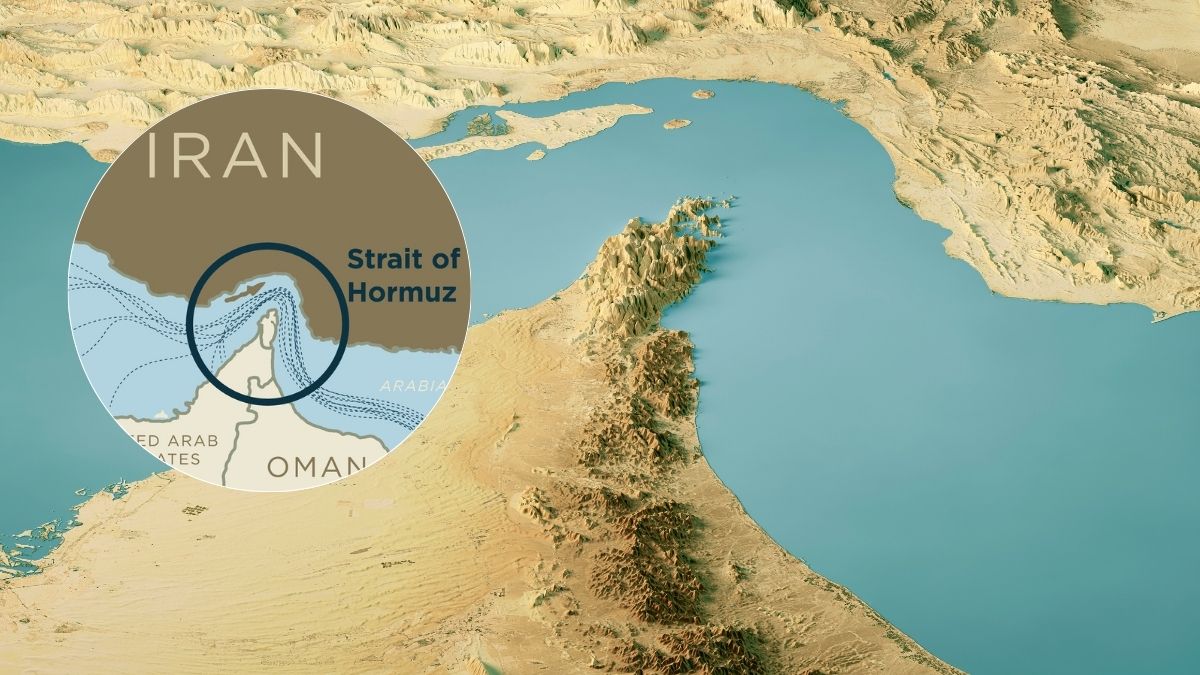
Gulf states are now weighing options to move oil without depending on the narrow waterway. Image courtesy: RNA

As the Strait of Hormuz remains at the centre of escalating West Asia tensions, Gulf nations are now seriously exploring alternative oil transport routes, marking a potential long-term shift in how the world’s energy lifeline operates. With nearly a fifth of global oil flows historically passing through this narrow corridor, the current disruptions are only causing a severe energy crisis.
The Strait of Hormuz has long functioned as the world’s most vital oil transit chokepoint, with around 20% of the world’s energy being transported through this very narrow shipping route, and connecting Gulf producers to global markets. Any disruption here can ripple across continents within days.
But ongoing tensions involving Iran, and the effective blockade-like conditions since late February 2026, have exposed the vulnerability of this route. Tanker movements have slowed dramatically, energy prices have surged, and supply chains have come under immense strain. The message for oil-producing nations is becoming increasingly clear: dependence on a single narrow waterway is no longer sustainable.
Gulf nations now looking beyond Hormuz
Countries in the Gulf region are now seeking alternatives to Hormuz, and with urgency. According to a Financial Times report, Gulf countries are actively studying new pipelines and transport corridors to bypass the Strait altogether.
Officials and industry leaders now believe that building alternative routes may be the only practical way to guarantee uninterrupted exports. The focus is shifting from short-term crisis management to long-term structural change. The idea behind this is straightforward but ambitious: eliminate the bottleneck before it triggers a full-blown global energy crisis.
What existing alternatives are already in play?
Saudi Arabia is currently best positioned among Gulf nations, thanks to its East-West pipeline that connects oil fields to the Red Sea, completely bypassing Hormuz. “In hindsight, the East-West pipeline looks like a genius masterstroke,” a senior Gulf energy executive told FT.
This infrastructure has allowed Riyadh to maintain relatively stable exports even during heightened tensions, offering a real-world example of how diversification can shield economies from geopolitical shocks.
Could new mega corridors like IMEC change the game?
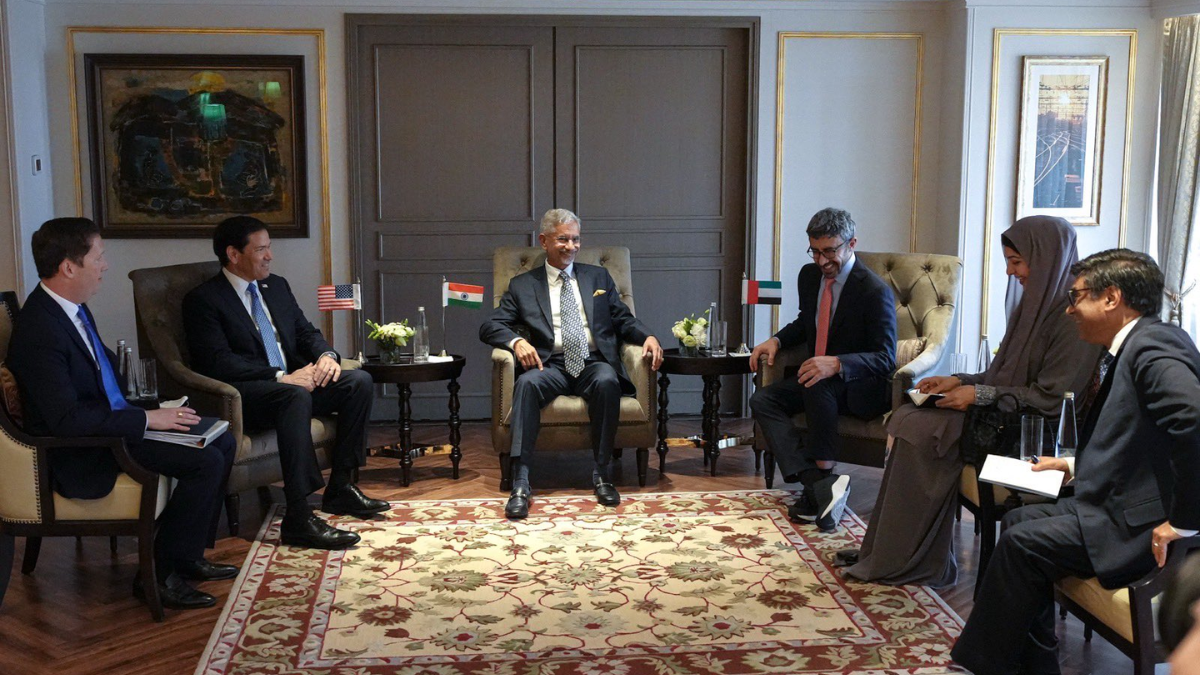
One of the most talked-about solutions is the India-Middle East-Europe Economic Corridor (IMEC) – a US-backed initiative aimed at linking India to Europe through an integrated network of ports, railways, and pipelines. The corridor would pass through countries like the UAE, Saudi Arabia, Jordan, and Israel, potentially offering a seamless alternative to Hormuz-dependent shipping routes.
The idea goes beyond oil, as it envisions a multi-modal trade and energy network that could redefine connectivity between Asia, the Middle East, and Europe. India, which first backed IMEC during the G20 Summit in New Delhi in 2023, has continued to push for deeper cooperation on the project.
Mediterranean route via Israel on the table too
It is one of the more ambitious proposals under consideration. Plans include linking Gulf energy networks to the Mediterranean, possibly through Israel’s Haifa port, creating a direct export route to Europe without passing through Hormuz. However, such proposals come with geopolitical complexities, particularly around regional alignments and Saudi Arabia’s stance on normalization with Israel.
Israeli Prime Minister Benjamin Netanyahu has strongly backed the idea, stating, “Long-term solutions include rerouting energy pipelines westward, across Saudi Arabia to the Red Sea and Mediterranean, bypassing Iran’s geographic choke point.”
The crisis has triggered strong reactions globally, particularly from the United States. US President Donald Trump has urged nations dependent on Hormuz to take matters into their own hands: “The countries of the world that… receive oil through the Hormuz Strait must take care of that passage,” Trump said. “Just take it, protect it, use it for yourselves.”
He also reassured regional allies, saying, “They’ve been great, and we will not let them get hurt or fail in any way, shape or form.”
Meanwhile, infrastructure firms are already seeing increased interest. Christopher Bush, CEO of Lebanese construction firm Cat Group, confirmed that the company “had inquiries about various pipelines.”