Iran ‘Completely Controls’ Hormuz Strait, Denies It Sought Talks With US Over Bilateral Conflict
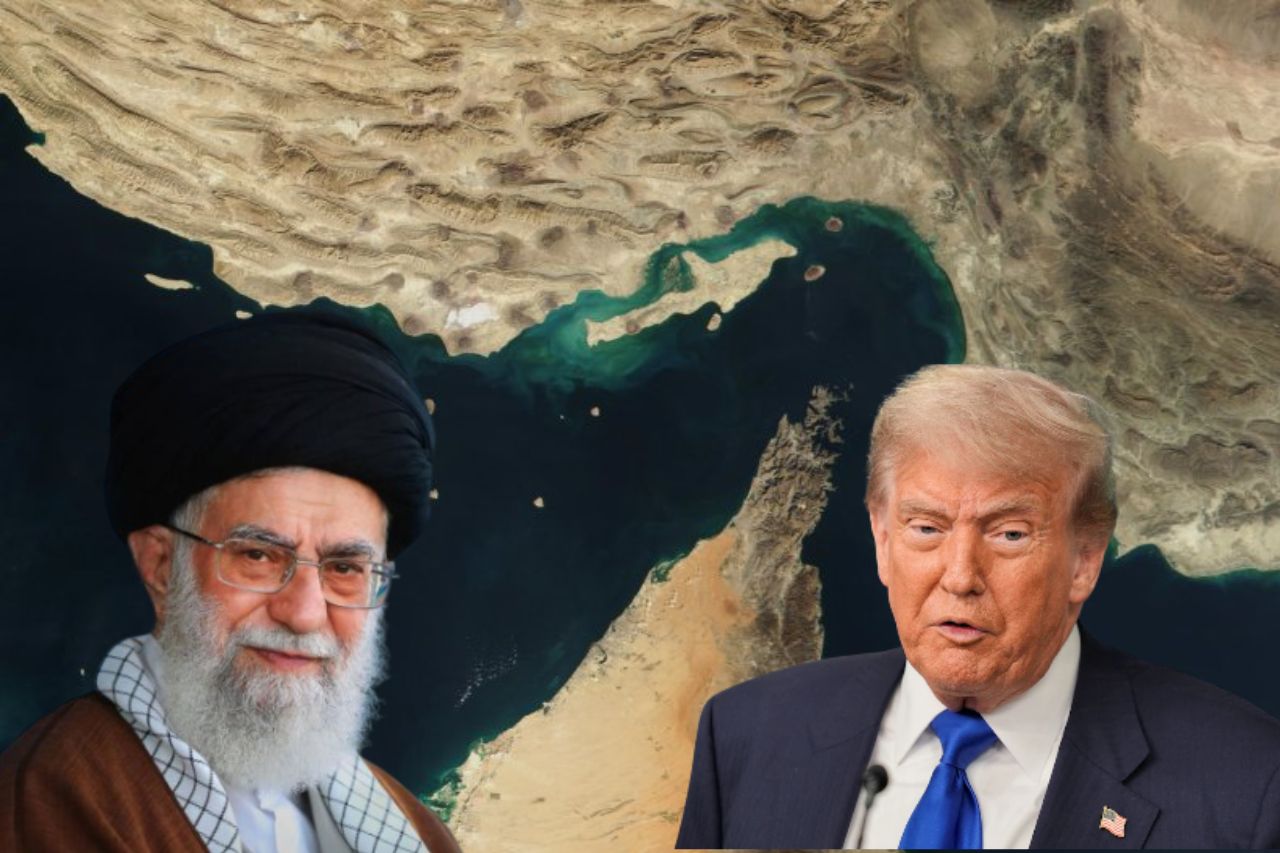
Iran asserts full control over the Strait of Hormuz and rules out talks with Washington as US military pressure builds across West Asia. Image courtesy: RNA

Iran has claimed that it now has complete control over the land, air, and undersea in the Strait of Hormuz, a key maritime connectivity in West Asia.
The Iranian assertion came even as its foreign minister claimed Tehran had not sought any negotiations with the Americans over their latest bilateral conflict.
What did Iran say about its US talks?
Iran’s Foreign Minister Abbas Araqchi said he had not been in contact with US special envoy Steve Witkoff in recent days or requesting negotiations, Iranian state media reported on Wednesday (January 28, 2026).
“There was no contact between me and Witkoff in recent days and no request for negotiations was made from us,” Araqchi told state media.
He added that various intermediaries were “holding consultations” and were in contact with Tehran.
“Our stance is clear, negotiations don’t go along with threats and talks can only take place when there are no longer menaces and excessive demands,” he said.
Why did Iranian official react the way they did?
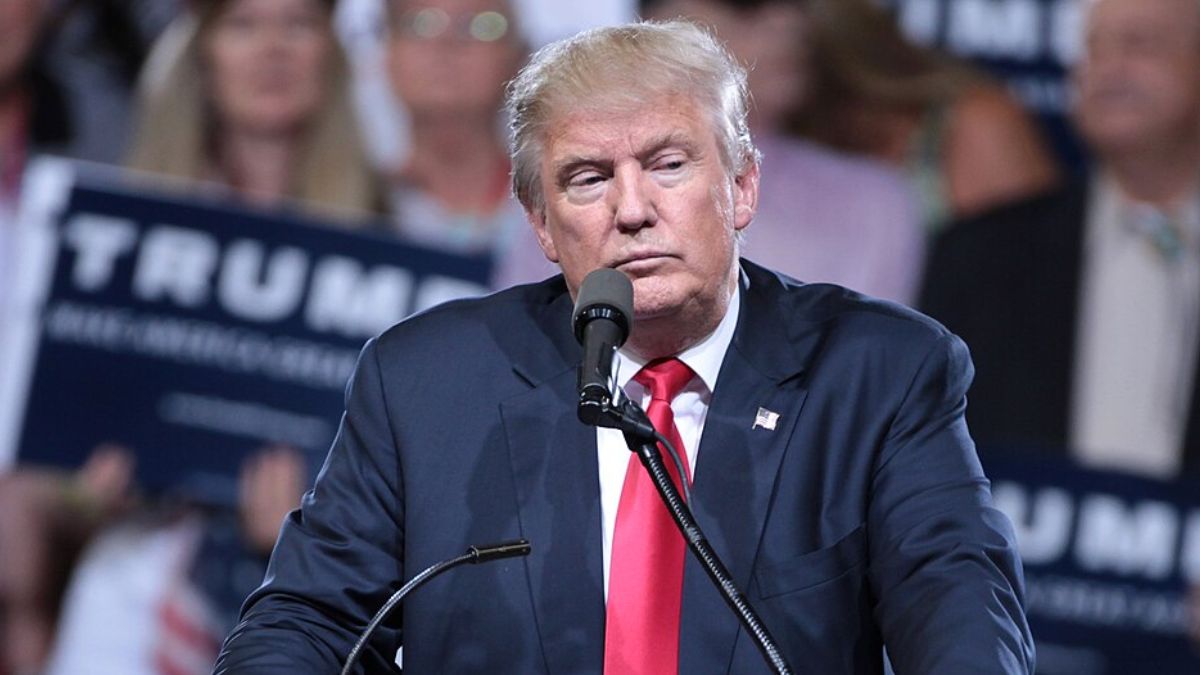
These remarks came after US President Donald Trump said on Tuesday (January 27) that he was sending another ‘armada’ towards West Asia and he was hopeful Tehran would come for negotiating a deal with Washington.
The US had last week deployed its carrier strike force led by aircraft carrier USS Abraham Lincoln to West Asia in a bid to bring military pressure on Iran, where the government has been cracking down on domestic protestors.
What are the reasons for the present US-Iran conflict?
The US military deployments in West Asia was in support of the Iranian citizens, who were protesting against what they called as misgovernance by the Iranian state leadership.
The domestic unrest since December 2025 turned into a mass movement earlier this month, and is seen as the worst since the 1979 Islamic revolution that overthrew the pro-US monarch of Iran.
Was there hope for US-Iran talks?
Iranian President Masoud Pezeshkian told the Saudi Arian Crown Prince Mohammed bin Salman on Tuesday (January 27) that his nation would appreciate any progress in preventing war with the US, but it should be within the parameters of the international law.
Why has Iran swiftly moved to control Hormuz?
Meanwhile, Iran announced that it had “complete control” of the Hormuz Strait, even as threat of a US strike on the West Asian nation increased in recent weeks, when the domestic unrest grew inside Iran.
“Iran is not seeking war, but it is fully prepared,” Mohammad Akbarzadeh, an Islamic Revolutionary Guard Corps (IRGC) commander, was quoted as saying by the Fars News Agency.
“If war breaks out, there will be no retreat, not even by a millimeter, and Iran will move forward,” he said.
How is Iran controlling the Hormuz?
Akbarzadeh said Iran was now maintaining constant vigil over Hormuz Strait, the management of which “has moved beyond traditional methods and is now fully intelligent.”
Iran now controlled which vessels, flying different flags, were allowed to pass through the strait, he said.
“Iran does not want the global economy to suffer,” he said, adding that the US and its allies “will not be allowed to benefit from a war they start.”
What threat did Iran issue its neighbours on US military assets?
Akbarzadeh warned that if the land, air and waters in Iran’s neighbourhood used for attacking his nation woudl be considered as “hostile,” and that this message was already relayed to the regional players.
The Iranian commander stressed that Tehran possesses additional capabilities “that will be revealed at an appropriate time.”
Why is controlling Hormuz a key economic leverage?
The Hormuz maritime passage between the Persian Gulf and the Gulf of Oman is a key trade route for global oil and liquefied natural gas (LNG), especially for West Asia.
The Strait accounts for one-third of the world’s seaborne crude oil shipments and one-fifth of the world’s total oil consumption.
China, among the Asian markes, is the largest beneficiary of the 20 million barrels of oil trade passing through Hormuz, and this includes Iranian oil too.