Iran Confirms Khamenei Dead, Moves To Elect New Supreme Leader, Vows Ferocious Retaliation Against US-Israel
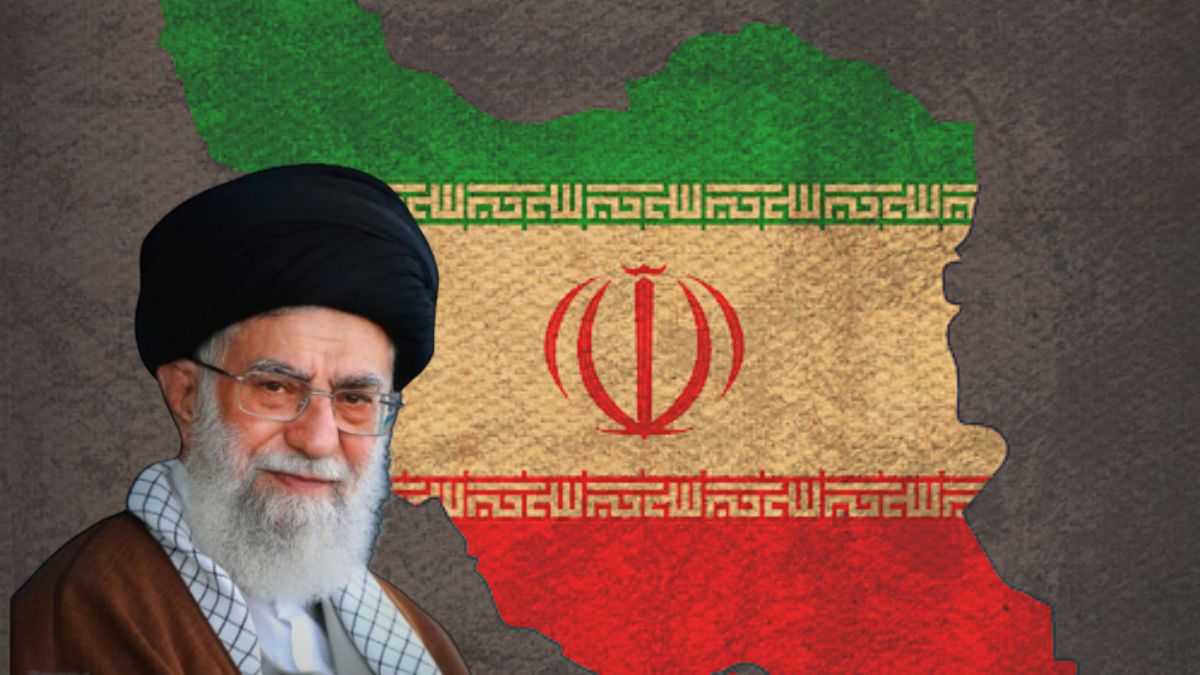
Iran confirms the death of Supreme Leader Ayatollah Ali Khamenei in US-Israel airstrikes on Tehran and moves to appoint an interim leadership council, while vowing ferocious retaliation against American and Israeli military assets across West Asia. Image courtesy: RNA

Iran on Sunday (March 1, 2026) confirmed that its Supreme Leader Ayatollah Ali Khamenei was killed in the US-Israel strike on its territory early Saturday (February 28, 2026), and quickly moved to elect a successor, apart from vowing to launch “ferocious” retaliatory strikes on the American and Israeli military assets in West Asia.
Iranian state media announced that Khamenei was dead after the US-Israel launched its most ambitious attack in Tehran at a location where the Iranian top brass were meeting. The loss of the top political and military leadership was the worst that Iran suffered in decades in its conflict with the US and Israel.
“The Supreme Leader of Iran Has Reached Martyrdom,” state broadcaster IRIB reported on Sunday (March 1, 2026) morning. Media reports said the 86-year-old leader was killed in his office after the US-Israel strikes hit the compound.
His death at his office “showed that he consistently stood among the people and at the forefront of his responsibilities, confronting what officials call global arrogance”, Iranian state TV said. Earlier, quoting an Israeli official, The Times of Israel reported the Iranian leader had been killed in an Israeli strike on his compound, and a senior Israeli official said that his body had been identified.
How did Trump and Netanyahu announce Khamenei’s death?
Israel’s Channel 12 reported that Prime Minister Benjamin Netanyahu had been shown an image of his body after it was recovered from the compound in Tehran. Khamenei’s killing was the second top leader of Iran to be eliminated in military operations by the US-Israel combine, without a designated successor in sight.
The loss of the top leadership of Iran could throw Tehran into chaos, as doubts emerged over whether the rest of the second-run Iranian leadership could hold the nation together and find the means to elect their next Supreme Leader, who had political, religious, and temporal roles to play.
Earlier, US President Trump posted on X that the Iranian Supreme Leader’s death was “the single greatest chance for the Iranian people to take back their country.” The United States worked closely with Israel to target the man who had led Iran since 1989, he said.
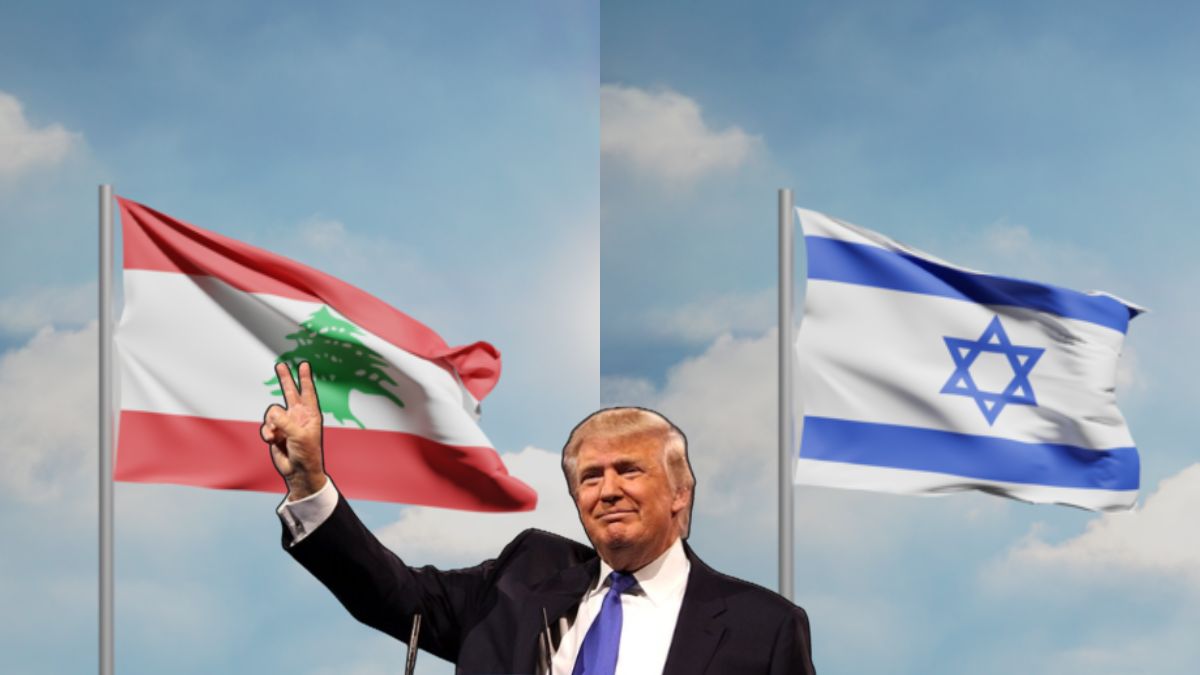
The US-Israel joint air strikes inside Iran on Saturday (February 28, 2026) morning were the biggest foreign policy gamble by Trump, who had sought reelection and got elected on the promise of being a “peace president.” Trump noted that the joint operations with Israel against Iran were to end the decades-long threat from the West Asian nation to ensure it doesn’t develop a nuclear weapon.
How did the US-Israel track and target Khamenei in his office?
According to Western media reports, Khamenei’s movements were being monitored by American and Israeli intelligence operatives, using tracking systems. Trump claimed “there was not a thing he, or the other leaders that have been killed along with him, could do.”
“The heavy and pinpoint bombing, however, will continue, uninterrupted throughout the week or, as long as necessary to achieve our objective of PEACE THROUGHOUT THE MIDDLE EAST AND, INDEED, THE WORLD!” Trump’s remarks were reiterated by Israeli Prime Minister Benjamin Netanyahu, who said Khamenei’s office compound had been destroyed completely in the joint air strikes by the US and his country.
Meanwhile, international media reports claimed that among the Iranian leaders killed were Defence Minister Amir Nasirzadeh and Revolutionary Guards commander Mohammed Pakpour. Israel’s military confirmed that five other senior military commanders were also dead, including Ali Shamkhani, an adviser to Iran’s supreme leader. Iranian media had said Khamenei’s daughter, grandchild, son-in-law, and daughter-in-law were dead in the air strikes.
Who was Khamenei, and why was he important to Iran?
Khamenei, 86, had ruled Iran since 1989 and held ultimate authority over all branches of the Iranian government, the military, judiciary, and religious affairs, as the Supreme Leader of the Shia republic. While he was dismissed as weak and indecisive in his early days in power, Khamenei, an unlikely choice after the revolution leader Ayatollah Ruhollah Khomeini’s death, turned his image into a powerful administrator, gaining a tight grip over the nation’s affairs.
During his 35-year rule of Iran, Khamenei harangued against the US at every given opportunity, including at the start of Trump’s second term as American President in 2025. But the recent citizens’ protests against the so-called governance failure had somewhat damaged his strong image and iron-grip over the nation’s affairs, resulting in Trump frequently calling for a people’s uprising to overthrow Khamenei’s government and offering military help to achieve that goal.
How did Iran vow “ferocious” retaliation on the US and Israel?
Following the US-Israel strike killing Khamenei, Iran’s Foreign Minister Abbas Araghchi told Western media channels in interviews that his nation had the capability for retaliatory strikes that they had demonstrated within hours on Saturday (February 28, 2026), firing ballistic missiles at Israel and on US military assets in West Asia.
He stressed that Iran was the one that came under attack from the US and Israel, though their talks on the Iranian nuclear programme had made much progress in Geneva only a couple of days ago.
Araghchi said Iran was only defending itself by retaliating to the US-Israeli strikes by targeting American and Israeli military installations in various nations in the West Asian region, and was not attacking those neighbours.
Only earlier this week, Iranian Masoud Pezeshkian had warned of a “ferocious” retaliation by his nation’s military if the US or Israel targeted its territory in any manner.
Will Iran get a new Supreme Leader soon?
Meanwhile, Iranian security officials are moving quickly to elect a new Supreme Leader, and reports indicate that the process could be completed by Sunday (March 1, 2026) after the state media announced the death of Khamenei in the US-Israel airstrikes on Saturday (February 28).
The Iranian state TV quoted the nation’s security chief, Ali Larijani, as saying that the transition process following the killing of the Supreme Leader would begin on Sunday (March 1).
“An interim leadership council will soon be formed. The president, the head of the judiciary, and a jurist from the Guardian Council will assume responsibility until the election of the next leader,” said Larijani, who is the head of Iran’s top security body, the Supreme National Security Council, and an adviser to Khamenei.
“This council will be established as soon as possible. We are working to form it as early as today,” he said in an interview.