Iran Parliament Panel Approves Toll for Shipping Traffic in Hormuz Strait
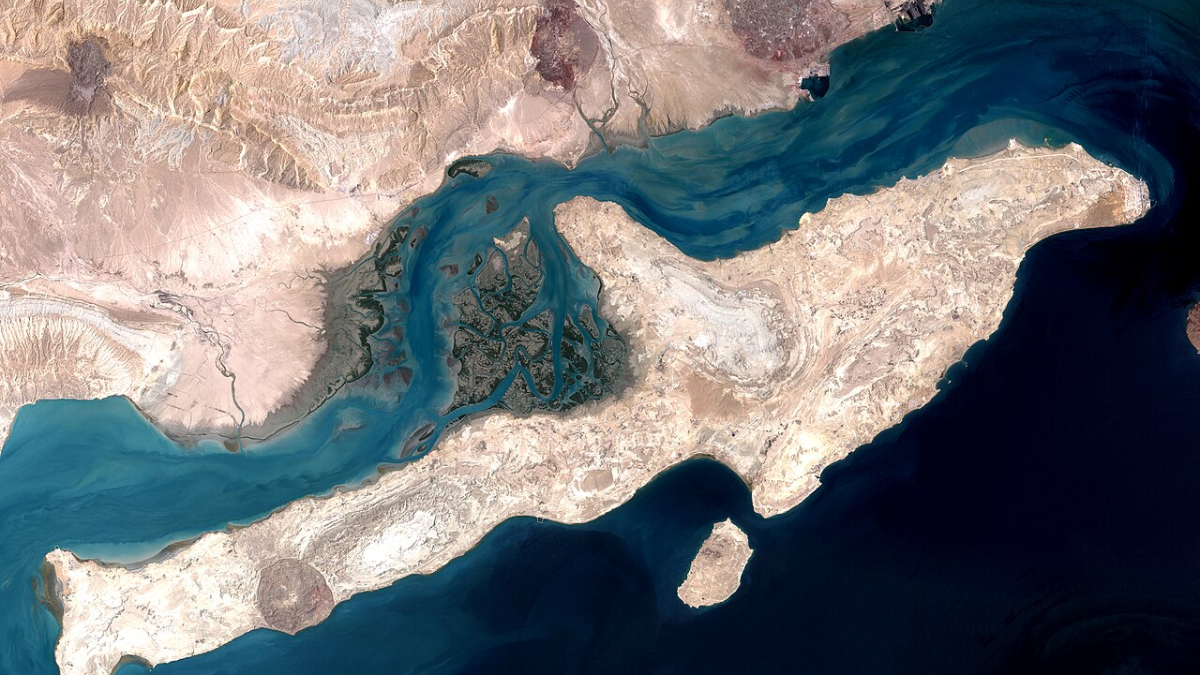
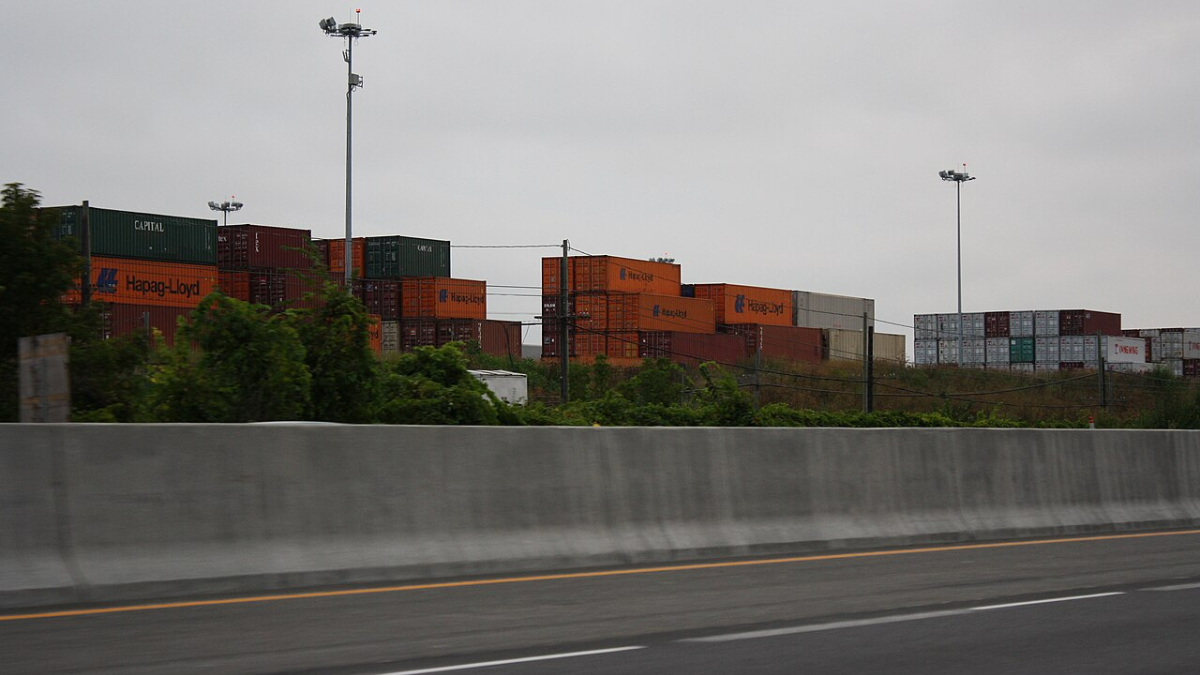
Strait of Hormuz. Picture credit: Wikimedia Commons

Iran has decided to impose tolls on cargo vessels passing through the Strait of Hormuz under a management plan approved by a parliamentary panel on Monday (March 30, 2026), imposing costs on nations that use the narrow maritime passage for most of their energy needs.
Iran’s state media reported that the Parliament Security Committee approved the Strait of Hormuz Management Plan, which includes measures to impose tolls on vessels passing through the strategic waterway.
A member of the National Security Commission announced that the plan was formally approved, detailing key areas of focus, including security arrangements for the Strait of Hormuz, ship safety, environmental protection, financial arrangements, and the implementation of a rial-based toll system.
The approved plan also explicitly bans passage for American and Israeli vessels, reinforces the sovereign role of Iran and its armed forces, and outlines cooperation with Oman in establishing the legal framework for the Strait of Hormuz.
Additionally, it prohibits passage for countries participating in unilateral sanctions against Iran, the report said, even as these measures were approved amidst the escalating military conflict with the US and Israel since February 28.
The Hormuz Management Plan was seen as Tehran’s efforts to assert control over one of the world’s most critical maritime chokepoints, through which a significant portion of global oil shipments transit.
Earlier in the day, US Treasury Secretary Scott Bessent said in a media interview that the US would retake control of the Hormuz Strait to enable freedom of navigation through the narrow maritime passage.
Bessent said that while individual deals have been cut by countries to cross the Strait of Hormuz, eventually the US would regain control over it either through American escorts or a multinational escort.
“The market is well supplied, and we are seeing more and more ships go through daily as individual countries cut deals with the Iranian regime for the time being. Over time, the US is going to retake control of the straits, and there will be freedom of navigation, whether it is through US escorts or a multinational escort,” he said.
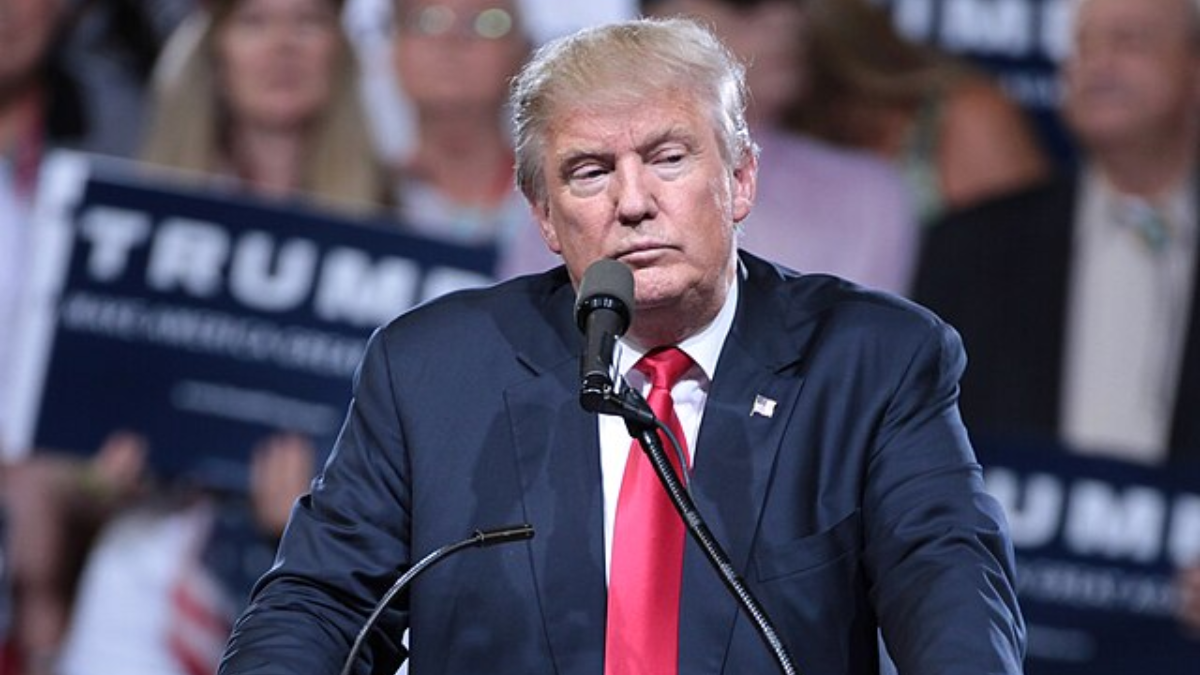
Meanwhile, US President Donald Trump threatened to target Iran’s civilian energy infrastructure, including power plants, oil wells, and Kharg Island, if Tehran does not reopen the Strait of Hormuz.
In a post on Truth Social, Trump said, “Great progress has been made, but if for any reason a deal is not shortly reached, which it probably will be, and if the Hormuz Strait is not immediately ‘Open for Business’, we will conclude our lovely ‘stay’ in Iran by blowing up and completely obliterating all of their Electric Generating Plants, Oil Wells and Kharg Island.”
The West Asian war involving the US and Israel on one side and Iran on the other has entered its second month, adversely impacting transit of cargo ships, particularly oil and gas, through the Hormuz Strait, which was taken control of by Iran after the US-Israel airstrikes on February 28.
The first airstrikes by the US and Israel had killed Iran’s Supreme Leader Ayatollah Ali Khamenei, triggering a violent retaliatory response from Tehran, which also got its Islamic Revolutionary Guards Corps to seize control of the Hormuz Strait the same day.