Jaishankar Holds ‘Detailed Conversation’ With Iran FM Araghchi As Strait Of Hormuz Crisis Deepens Amid West Asia War
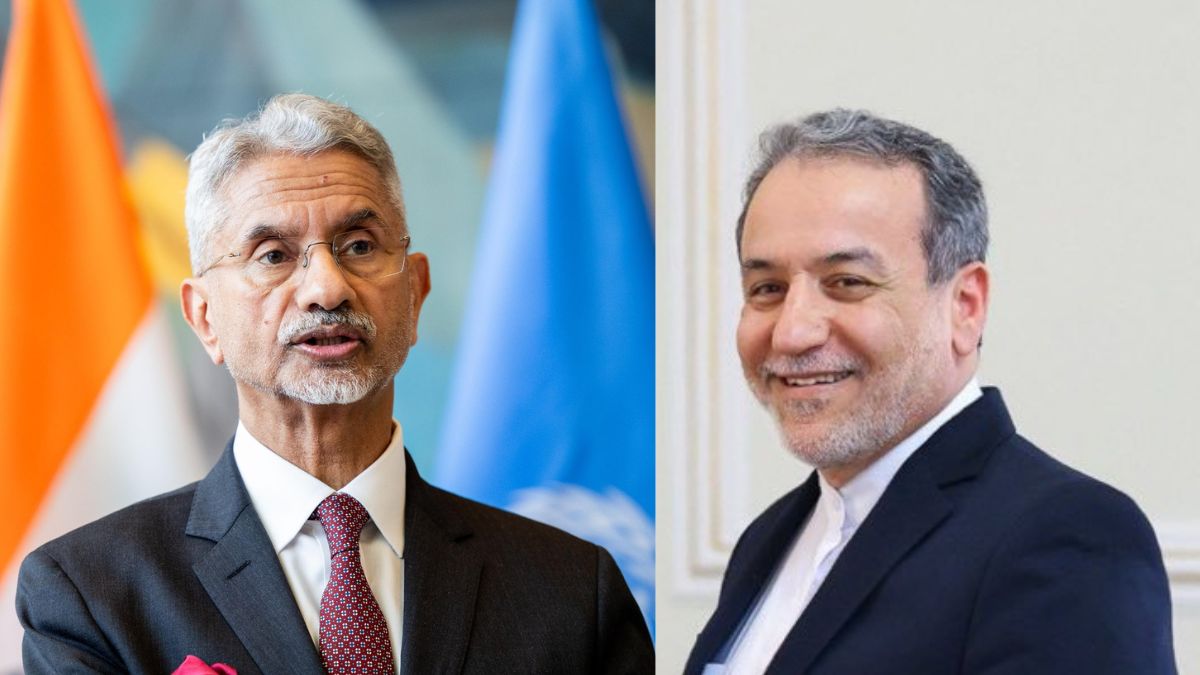
The recent call between Jaishankar and his Iranian counterpart marks the third such conversation since the start of the war on February 28. Image courtesy: RNA

As the war in West Asia intensifies and global energy markets reel from disruptions in the Strait of Hormuz, India has stepped up diplomatic engagement with key stakeholders in the region. Just two days after delivering a suo motu statement in Parliament, External Affairs Minister S Jaishankar held a phone call with his Iranian counterpart.
EAM Jaishankar on late Tuesday (March 10, 2026) informed that he held a fresh phone conversation with Iranian Foreign Minister Seyed Abbas Araghchi, discussing the rapidly evolving conflict and its global implications. The call marked the third conversation between the two leaders since the crisis erupted, underscoring New Delhi’s growing diplomatic push to manage the fallout of the Iran war.
The discussions come just two days after Jaishankar briefed the Indian Parliament on the escalating conflict, highlighting concerns over energy security and the safety of Indian interests in the region.
What did Jaishankar and Iran’s Foreign Minister discuss?
During the phone call, Jaishankar and Araghchi held what the Indian minister described as a “detailed conversation” on the latest developments in the ongoing conflict.
“A detailed conversation this evening with Foreign Minister @araghchi of Iran on the latest developments regarding the ongoing conflict. We agreed to remain in touch,” Jaishankar said in a post on social media platform X.
The talks are believed to have focused on regional security, the widening war and the impact on global energy supply chains, particularly as tensions continue to rise between Iran and the United States–Israel alliance. The discussion also comes at a critical moment in Iran’s domestic political landscape, marking the first contact between the two foreign ministers after Iran announced Mojtaba Khamenei as the new Supreme Leader.
The leadership change followed the killing of Ayatollah Ali Khamenei in a joint US–Israel strike, an event that dramatically escalated the conflict and sent shockwaves across the Middle East.
India steps up diplomatic outreach amid escalating crisis
Beyond Iran, Jaishankar also spoke with German Foreign Minister Johann Wadephul and South Korean Foreign Minister Cho Hyun, exchanging views on the unfolding crisis in West Asia. The conversations reflect India’s broader diplomatic engagement with both regional and global partners as the war threatens to disrupt international trade routes.
New Delhi has been closely monitoring developments as the conflict continues to escalate with airstrikes, naval incidents and attacks on strategic infrastructure across the region.
Strait of Hormuz crisis raises global energy alarm
One of the biggest global concerns triggered by the conflict has been the virtual blockade of the Strait of Hormuz by Iran, a key maritime chokepoint connecting the Persian Gulf with the Gulf of Oman.
The narrow shipping lane handles around 20% of the world’s oil and liquefied natural gas (LNG) exports, making it one of the most critical energy transit routes in the world.
Disruptions in shipping through the strait have already pushed global oil and gas prices sharply higher, sparking fears of a wider energy shock that could affect economies across Asia and Europe.
Jaishankar’s Parliament warning on Iran war
The fresh diplomatic outreach follows Jaishankar’s statement in the Indian Parliament earlier this week, where he outlined the government’s assessment of the rapidly deteriorating situation. During his remarks, the External Affairs Minister emphasised the serious risks posed to global energy supply chains.
He also called for the need for de-escalation and diplomatic solutions, India’s commitment to protecting its national interests and overseas citizens. The EAM’s
His statement highlighted how the Iran conflict has become one of the most significant geopolitical crises affecting global trade, energy security and regional stability.