No Country Can Protect Peace Alone: PM Sanae Takaichi As Japan Eases Arms Export Curbs, Major Post WWII Policy Shift
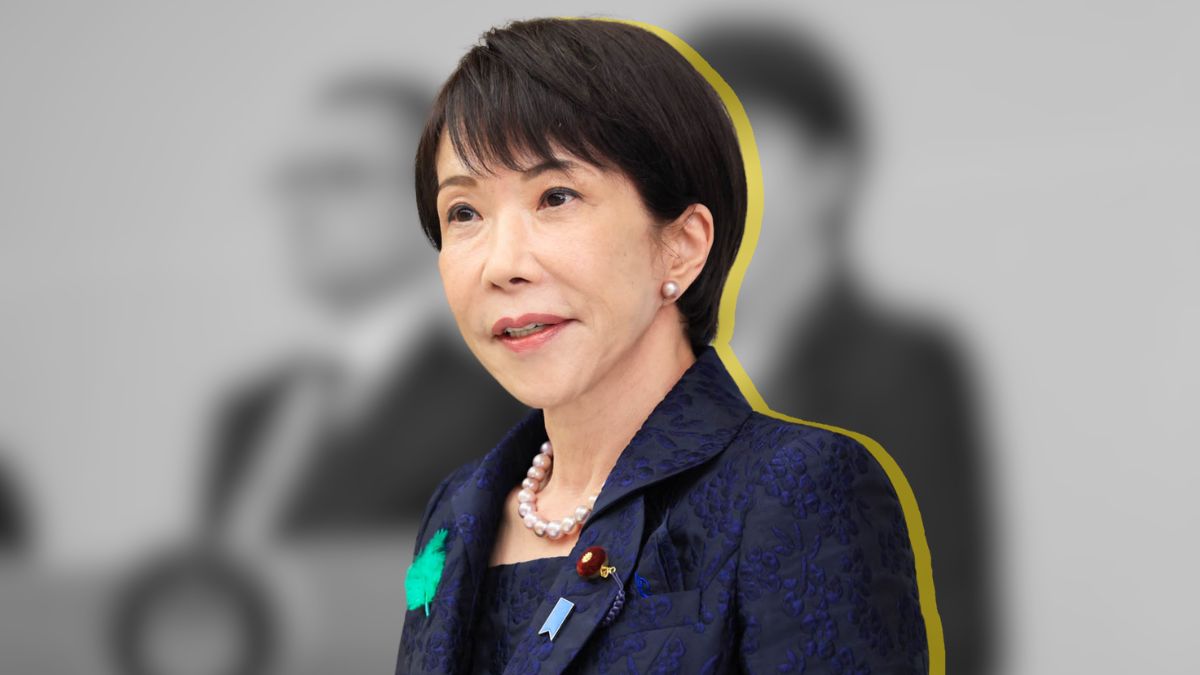
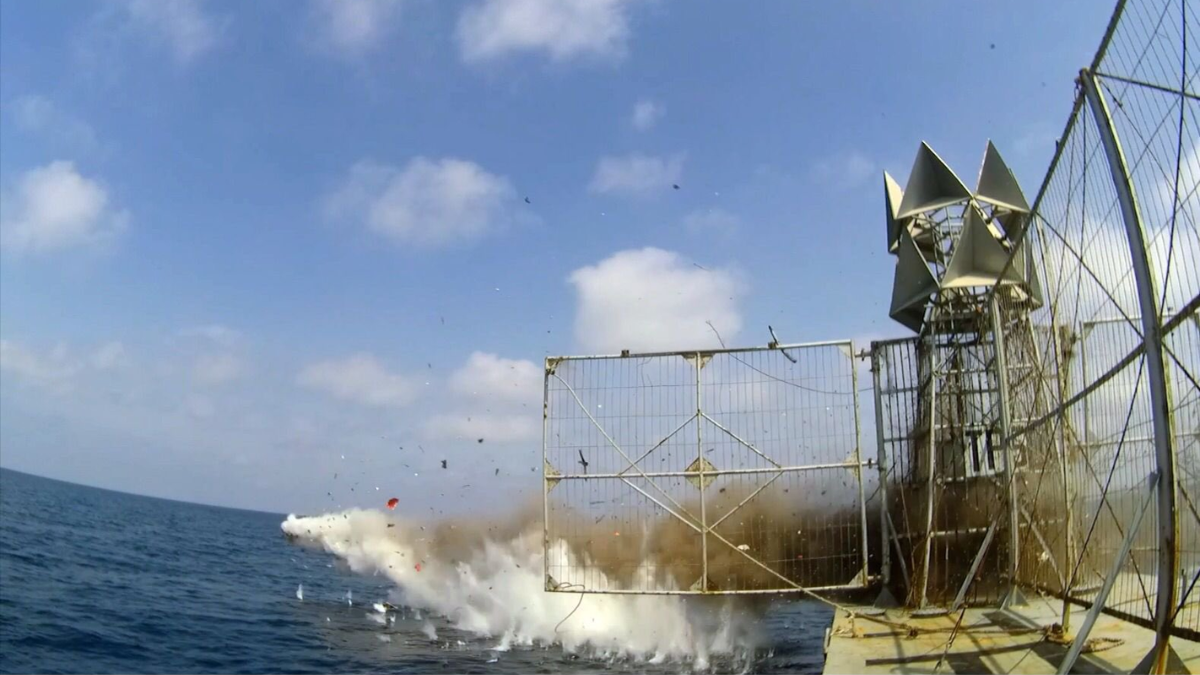
The major policy change paves the way for Japan to export warships, missiles, and other weapons. Image courtesy: RNA

“In an increasingly severe security environment, no single country can now protect its own peace and security alone, and partner countries that support each other in terms of defense equipment are necessary,” Japanese Prime Minister Sanae Takaichi posed on X on Tuesday (April 21, 2026). Her statement came after the country announced a major policy change.
Japan has taken a significant step away from its post-world war II pacifist stance, with the Cabinet led by PM Takaichi approving new guidelines that lift long-standing restrictions on the export of lethal weapons, amid worries over Chinese and North Korean aggression. This simply means that Japan too can now become a key player in the global arms industry.
Under the revised guidelines, Japan will now be able to export a broader range of military equipment, including fighter jets, missiles and destroyers, going well beyond previous shipments such as protective gear, gas masks, civilian-use vehicles sent to Ukraine, and radar systems supplied to the Philippines.
“In conducting equipment transfers, we will comply with international export control frameworks and conduct even stricter reviews on a case-by-case basis,” Takaichi said, further noting that they will also ensure proper management at the recipient’s end.
Japan lethal weapons export: Why this policy shift now?
Japan’s decision effectively removes one of the final barriers to its participation in global arms sales, marking a major shift in policy as the country looks to strengthen its defence industry and expand cooperation with international partners. Notably, the move comes amid rising regional security concerns, particularly in East Asia, prompting Tokyo to accelerate its military buildup.
Chief Cabinet Secretary Minoru Kihara said the new policy would “ensure safety for Japan and further contribute to the peace and stability in the region and the international society as the security environment around our country rapidly changes.”
He added, “The government will strategically promote defense equipment transfer to create a security environment that is desirable for Japan and to build up the industrial base that can support fighting resilience.”
Japan arms export: What changes under the new guidelines?
For decades, Japan maintained strict limits on arms exports under its postwar framework. Even after earlier relaxations, exports were largely confined to non-combat roles such as rescue, transport, surveillance, alert operations, and minesweeping. The new guidelines expand this scope significantly, allowing exports of lethal military platforms and systems.
However, exports will initially be limited to 17 countries that have signed defence equipment and technology transfer agreements with Japan. Each transfer must be approved by the National Security Council, and the government will monitor how the weapons are managed after delivery.
How does this build on earlier policy changes?
Japan’s shift has been gradual. Over a decade ago in 2014, Tokyo began exporting some non-lethal military supplies. A further revision came in December 2023 which allowed the sale of dozens of lethal weapons and components manufactured under foreign licenses back to the original licensors.
This enabled the Asian country to sell US-designed Patriot missiles to the United States, helping Washington replenish stocks sent to Ukraine. The 2023 revision also paved the way for Japan to jointly develop a sixth-generation fighter jet with Britain and Italy, signalling deeper integration into global defence production networks.
Japan’s recent defence deals
This latest policy shift by Japan comes alongside expanding defence cooperation with key partners. Japan’s biggest arms deal to date was formalised last week with Australia, involving the delivery of three Mitsubishi Heavy Industries’ upgraded Mogami-class frigates and the joint production of eight more in Australia under a $6.5 billion agreement.
Australia welcomed Tokyo’s new policy as a move to deepen defence ties. New Zealand too has also shown interest in the Japanese frigates, while several other countries, including the Philippines, have expressed interest in Japanese defence equipment, with Manila reportedly looking to acquire used destroyers.
Additionally, a group of 30 NATO representatives visited Japan recently to explore further defence cooperation, including engagements with Mitsubishi Electric Corp., which is involved in the trilateral fighter jet project and satellite technologies.
How did different stakeholders react?
As the case is with any major policy shift, Japan’s policy shift also drew mixed reactions. It has been welcomed by key defence partners such as Australia and has generated interest from countries across Southeast Asia and Europe. At the same time, it has attracted criticism from China and from some domestic voices in Japan, who argue that the move could undermine the country’s pacifist constitution established after World War II.
Commenting on the decision, Prime Minister Takaichi reiterated that the policy change does not alter Japan’s fundamental stance. “There is absolutely no change in our commitment to upholding the path and fundamental principles we have followed as a peace-loving nation for over 80 years since the war,” she said on X.
“Under the new system, we will strategically promote equipment transfers while making even more rigorous and cautious judgments on whether transfers are permissible,” she added.