MEA Appoints Dinesh Trivedi as High Commissioner to Bangladesh
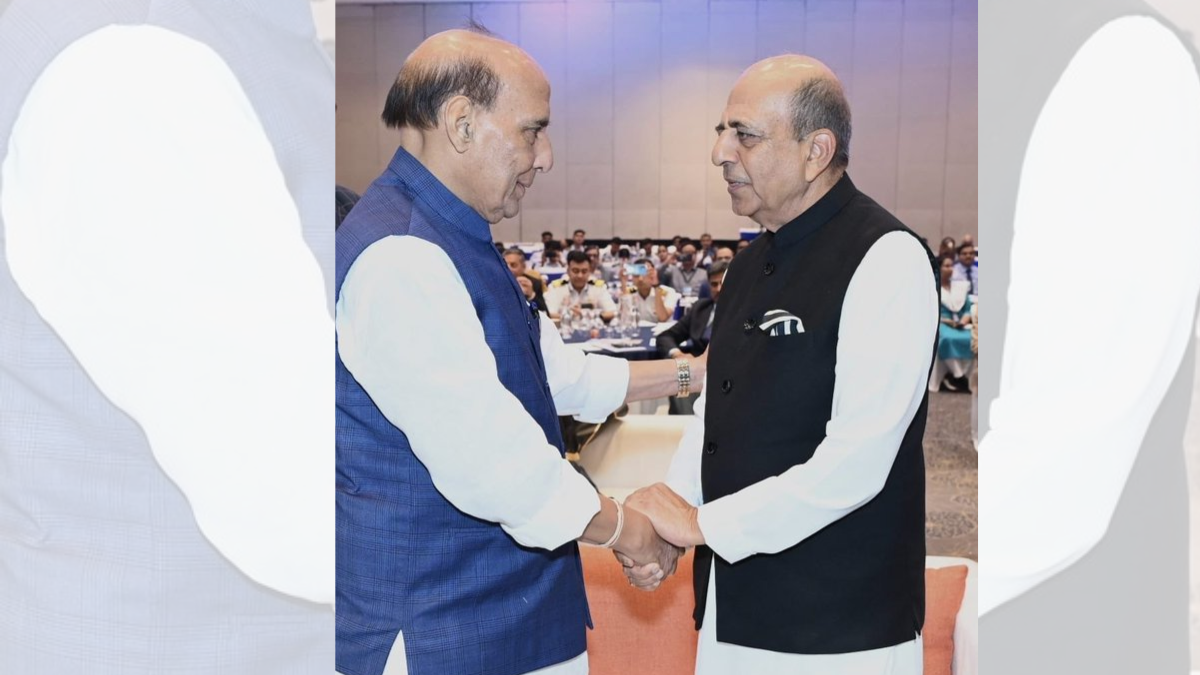
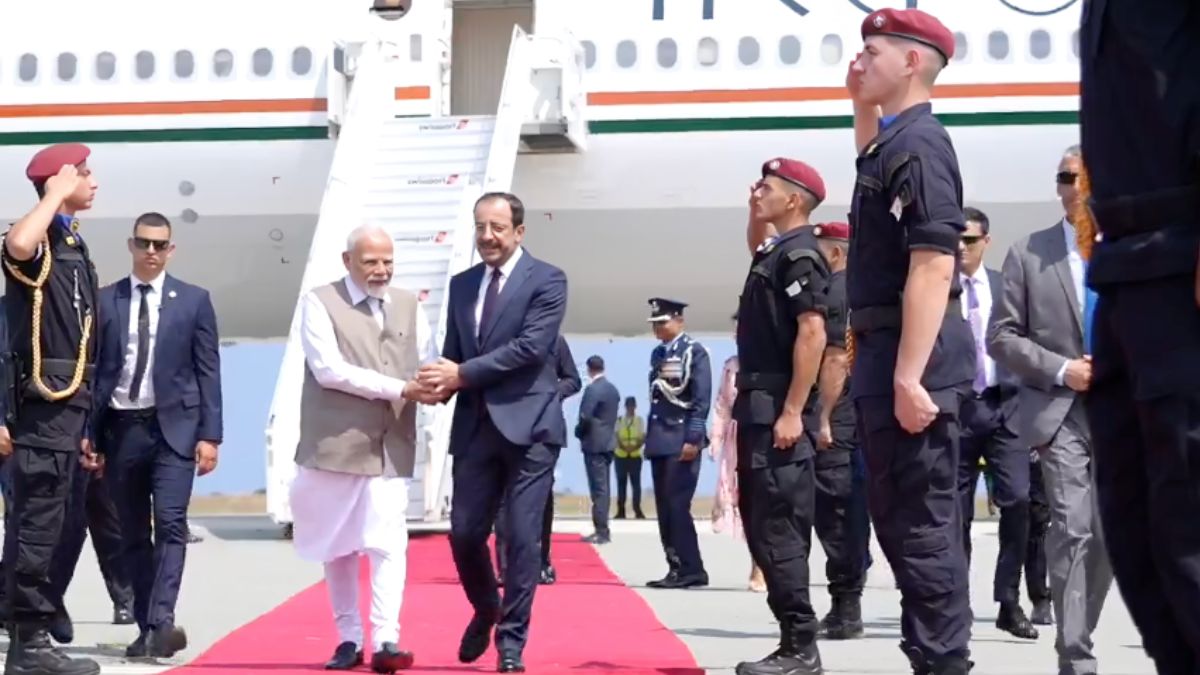
India High Commissioner to Bangladesh. Image courtesy: @DinTri

In a departure from standard diplomatic practice, the Ministry of External Affairs (MEA) has announced the appointment of Dinesh Trivedi, a political appointee, as India’s next High Commissioner to Bangladesh.
The appointment comes at a time when the two countries are actively working to deepen cooperation across multiple strategic and developmental sectors, including energy security, connectivity, trade facilitation, and people-to-people exchange.
Trivedi, 75, is a senior public figure who has served in key Union roles, including as Railway Minister and Minister of State for Health and Family Welfare. He has also been a Member of Parliament, representing the Barrackpore constituency in the Lok Sabha, and joined the Bharatiya Janata Party (BJP) in 2021.
He will replace Pranay Verma, whose appointment as India’s Ambassador to the European Union in Brussels was announced by the MEA on April 10.
The development comes amid ongoing high-level engagements between New Delhi and Dhaka aimed at strengthening bilateral ties. India’s mission in Dhaka is widely regarded as a crucial post given Bangladesh’s strategic importance within India’s Neighbourhood First policy and broader regional connectivity initiatives.
Recent engagement has spanned several domains. Both countries have focused on expanding cooperation in information sharing, broadcasting, and media exchange, including capacity-building for journalists under the ITEC programme, with dedicated training offered to women media professionals from Bangladesh.
Energy cooperation has emerged as a particularly significant area, carrying both economic and strategic weight. On April 8, Union Minister for Petroleum and Natural Gas Hardeep Singh Puri met Bangladesh Foreign Minister Khalilur Rahman in New Delhi to discuss enhancing cross-border energy ties. This meeting followed Rahman’s high-level talks with External Affairs Minister S. Jaishankar earlier that day. Puri subsequently noted the strength of the Bangladeshi delegation’s participation on X.
Since Tarique Rahman’s BNP government came to power, India-Bangladesh relations have shown signs of cautious renewal, a welcome shift from the preceding period under Muhammad Yunus, whose interim administration had visibly warmed ties with Pakistan, deepening anxieties in New Delhi. Rahman’s government has signalled a more pragmatic orientation toward India, with early diplomatic outreach from both sides helping to ease relations.
Yet the relationship remains freighted with unresolved sensitivities. The question of former Prime Minister Sheikh Hasina, who has been living in India since fleeing Dhaka in 2024, remains the most delicate. Dhaka has formally sought her extradition, while New Delhi has so far offered no indication of compliance, leaving the matter among the most politically charged between the two neighbours.