Pakistan Army Chief Asim Munir Faces Defining Test As US Presses Islamabad To Join Gaza Stabilisation Force
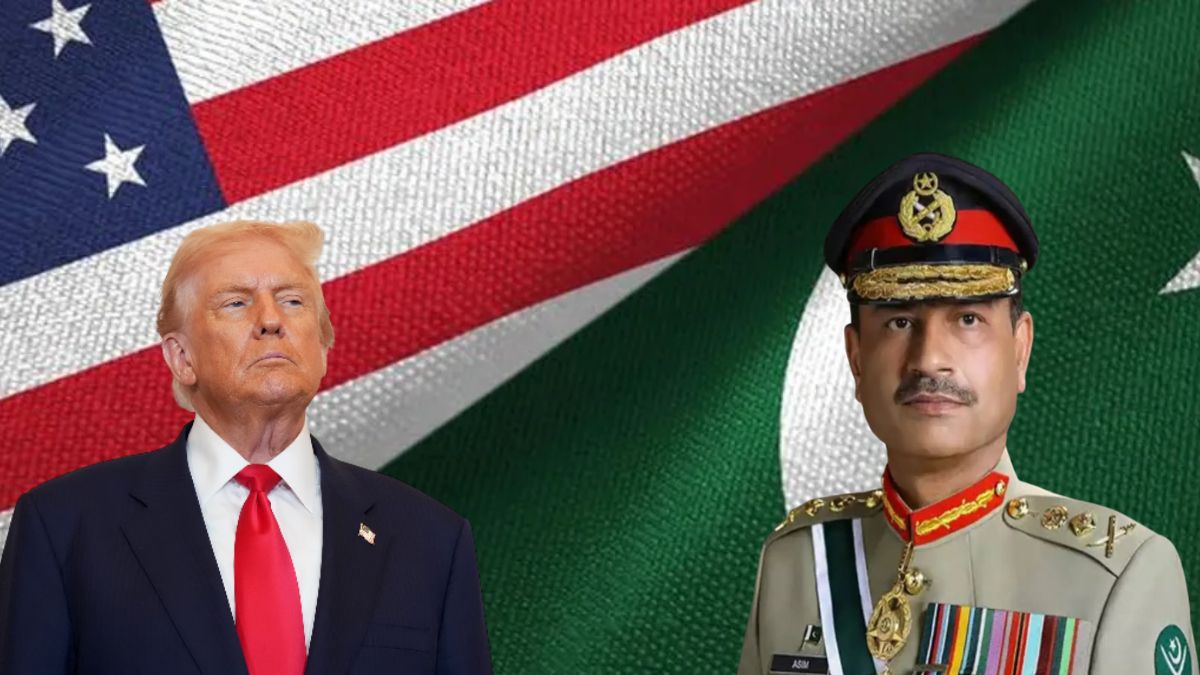
Pakistan Army chief Asim Munir faces mounting external pressure and internal constraints as Washington pushes Islamabad toward a role in post-war Gaza stabilisation. Image courtesy: RNA

Pakistan’s all-powerful army chief, Field Marshal Asim Munir, is confronting the most critical challenge of his rapidly expanded authority as the United States presses Islamabad to contribute troops to a proposed Gaza stabilisation force, an initiative that could trigger serious domestic backlash and test civil-military balance at home.
Munir is expected to travel to Washington in the coming weeks for talks with US President Donald Trump, marking their third meeting in just six months, according to sources cited by an international media platform.
What are the issues Munir will discuss with Trump?
The discussions are likely to focus on Trump’s ambitious 20-point Gaza plan, which envisions a multinational force drawn largely from Muslim-majority countries to oversee a transition period of reconstruction and economic recovery in the war-ravaged Palestinian territory after more than two years of Israeli military bombardment.
The proposal, however, carries significant political and security risks. Many countries are wary of joining a mission that includes the sensitive task of demilitarising Hamas, fearing it could entangle foreign troops in an open-ended conflict while inflaming pro-Palestinian and anti-Israel sentiment at home. For Pakistan, a nation with strong public support for the Palestinian cause, the stakes are particularly high.
How will Munir’s close ties with Trump impact the Gaza plans?
Despite these risks, Munir has cultivated an unusually close relationship with Trump in an effort to reset long-strained US-Pakistan ties and revive American investment and security assistance, much of which has been curtailed in recent years.
In June, Munir was hosted for a solo lunch at the White House, an unprecedented gesture for a Pakistani army chief without civilian leaders present.
“If Pakistan declines to be part of this mission, that could disappoint Trump, which may create problems for Islamabad,” said Michael Kugelman, senior fellow for South Asia at the Atlantic Council. He noted that both Pakistan’s civilian and military leadership are eager to restore US economic and security engagement.
Why does Trump want Pakistan to send troops to Gaza?
Pakistan, the world’s only Muslim-majority nuclear-armed state, possesses a battle-hardened military shaped by three wars with India, counterinsurgency campaigns in remote regions, and an ongoing fight against Islamist militants it says operate from Afghanistan.
That capability has reportedly caught Trump’s attention. Defence analyst and author Ayesha Siddiqa said the US president views Pakistan’s military as institutionally strong and combat-ready.
What are the domestic implications for Munir?
Yet the domestic fallout of any Gaza deployment could be severe. Islamist parties in Pakistan, long hostile to the US and Israel, retain significant street power.
Authorities recently banned a hardline anti-Israel Islamist group, arresting more than 1,500 supporters, but officials acknowledge its ideology persists.
How will domestic politics impact the Munir-Trump talks?
Meanwhile, supporters of former prime minister Imran Khan, whose party emerged as the single largest bloc in the 2024 elections, remain deeply antagonistic toward Munir and the military establishment.
Pakistan’s foreign minister, Ishaq Dar, has sought to draw limits, saying Islamabad could consider peacekeeping but that disarming Hamas “is not our job.”
Still, analysts warn that even a limited deployment could spark unrest. “There is a real risk of religious hardliners reacting violently,” Kugelman said, adding that such instability is precisely what the military would seek to avoid.
Can Munir leverage his newfound power?
Munir’s personal power has grown dramatically. Recently elevated to oversee all three armed services, granted an extension until 2030, and protected by constitutional amendments that provide lifetime immunity from prosecution, he now wields unprecedented authority.
Whether he can leverage that power to satisfy Washington without igniting turmoil at home may define both his legacy and Pakistan’s regional role in the Gaza aftermath.