
PM Modi To Host German Chancellor Friedrich Merz On First Official Visit Next Week Ahead of India-EU FTA Momentum
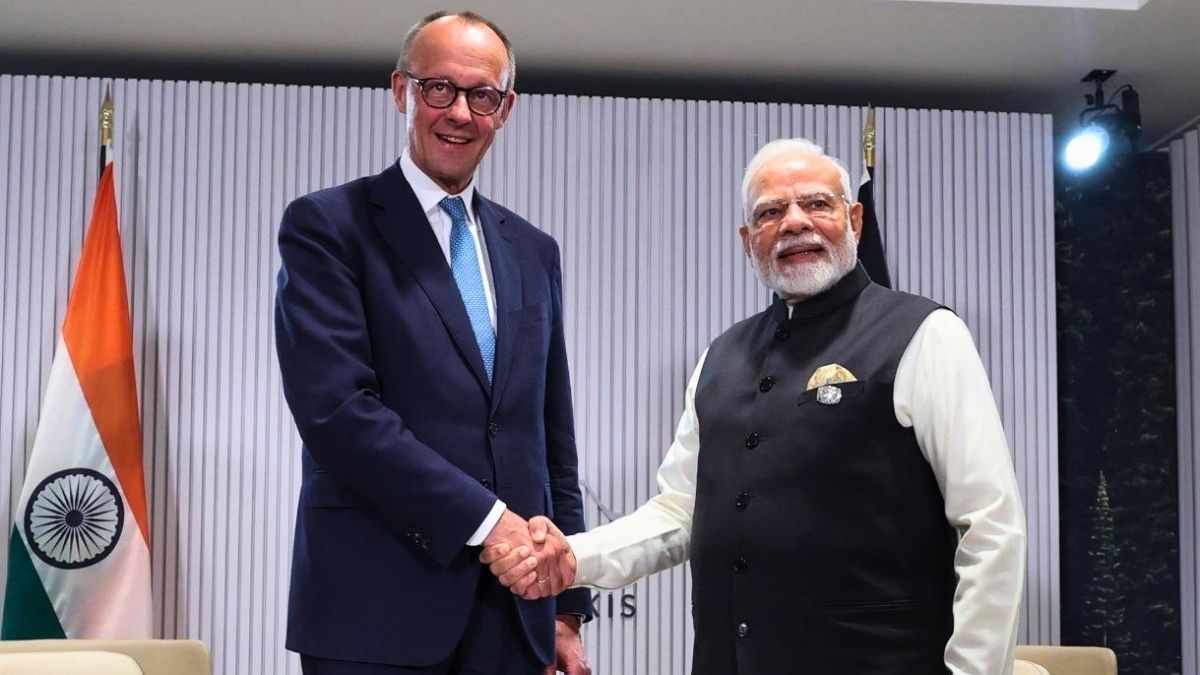
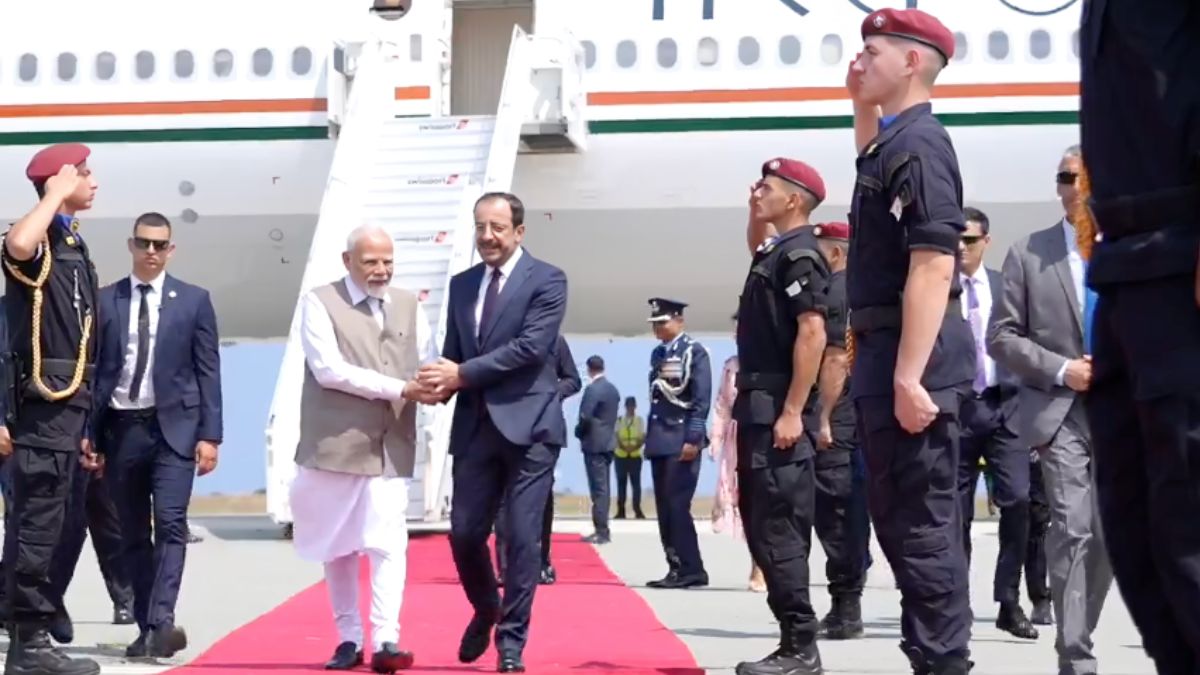
As two countries are in the top five economies of the world, Germany and India share a robust economic and developmental partnership. Image courtesy: X.com/@narendramodi

India is intensifying its diplomatic engagement with Europe as negotiations on a long-pending India-European Union Free Trade Agreement (FTA) enter a decisive phase. In a key signal of this outreach, Prime Minister Narendra Modi is set to host German Chancellor Friedrich Merz next week.
PM Modi had last met Merz in June 2025 on the sidelines of the G7 Summit in Canada and now the new German Chncellor is set undertake his first official visit to India on January 12–13, 2026, the Ministry of External Affairs (MEA) announced.
The visit places Germany, India’s most influential partner within the European Union, at the centre of New Delhi’s broader European strategy, especially when both the sides are eyeing the highly anticipated FTA.
Modi–Merz meeting: What is on the agenda?
Prime Minister Modi will receive Chancellor Merz in Ahmedabad on Monday (January 12, 2025), with discussions expected to review the full spectrum of the India-Germany Strategic Partnership, which marked 25 years in 2025. According to the MEA, the talks will focus on trade and investment; technology and innovation; education, skilling and mobility.
The two leaders are also expected to discuss defence and security cooperation; green and sustainable development; science, research and people-to-people ties, among other things. PM Modi and Merz will also engage with business and industry leaders, underscoring the economic dimension of the visit.
How does Merz’s India visit fit into India’s broader European outreach?
Chancellor Merz’s visit comes just weeks before top EU leaders, including European Commission President Ursula von der Leyen and European Council President Antonio Costa, travel to India for the Republic Day celebrations.
Notably, External Affairs Minister S Jaishankar is also on a six-day visit to France and Luxembourg to boost ties with the European nations. The sequence of high-level European visits early in 2026 highlights how India and Europe are engaging at the highest political levels, with Germany playing a pivotal role as Europe’s largest economy.
Why does Germany matter in the India-EU FTA context?
Germany is among India’s most important European partners, both bilaterally and within the EU framework. As two of the world’s top five economies, India and Germany share a strong economic and developmental partnership that supports New Delhi’s push for a comprehensive trade agreement with Europe.
Officials note that deeper India-Germany alignment on trade, supply chains, green technologies and industrial cooperation could help build political momentum for the broader India-EU FTA.
During his last meeting with PM Modi, Merz had expressed strong solidarity with India following the Pahalgam terror attack and Operation Sindoor.
How has the India-Germany partnership evolved?
India and Germany established a Strategic Partnership in 2000, further elevated by the launch of Inter-Governmental Consultations (IGC) in 2011 at the level of heads of government. Both sides have increasingly emphasised cooperation in defence, security, climate action and innovation, while reaffirming shared commitments to democratic values, multilateralism and a rules-based global order.
The visit, officials said, will “reaffirm the shared vision of India and Germany to build a forward-looking partnership” not only for bilateral benefit but also for the wider global community, especially at a time when India is positioning itself as a central partner for Europe amid shifting global geopolitics.