Russia Pushes ‘Buffer Zones’ Deeper Into Ukraine’s Sumy, Kharkiv to Shield Border Regions
Russia Pushes Deeper Buffer Zones

Russia’s top military commander has instructed troops to continue expanding so-called buffer zones inside Ukraine’s Sumy and Kharkiv regions, a move Moscow says is aimed at protecting its border areas from Ukrainian attacks but which Kyiv denounces as an attempt to seize more territory.
General Valery Gerasimov, Chief of Russia’s General Staff, issued the directive during a visit to a command post of Russia’s “North” military grouping, according to footage released by the Defence Ministry on Wednesday (December 31, 2025).
What did the Russian general say to his troops?
While the ministry did not disclose the location or timing of the visit, Gerasimov said Russian forces must press on with operations to safeguard civilians in Russia’s Kursk and Belgorod regions.
Gerasimov claimed Russian troops have taken control of about 950 square kilometres across Sumy and Kharkiv, including 32 settlements.
These battlefield assertions could not be independently verified. Ukraine has not immediately responded to the latest remarks, but has consistently rejected Moscow’s buffer zone rationale.
What was Zelenskyy’s views about Russian war plans?
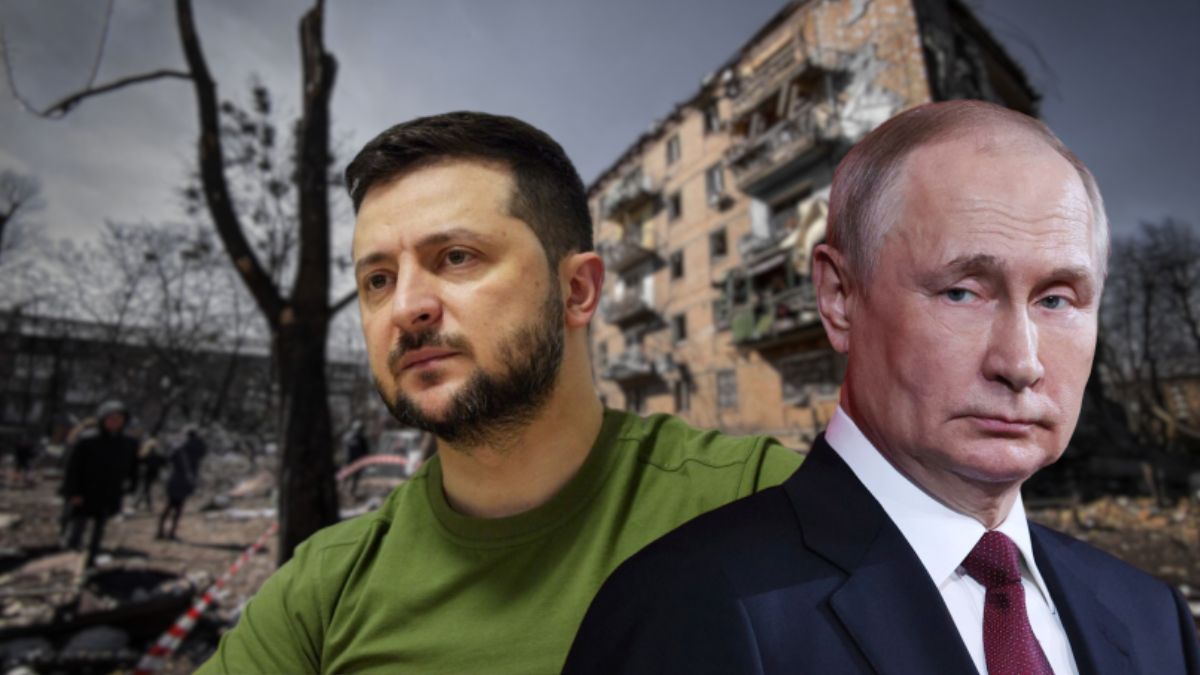
Ukrainian President Volodymyr Zelenskyy has previously described Russia’s plans for Sumy and Kharkiv as “mad,” vowing strong resistance as Ukrainian forces defend the northeastern regions.
Kyiv accuses Moscow of using security concerns as a pretext for further territorial expansion.
Why is this push for buffer zones being made?
The push for buffer zones gained momentum after Ukraine launched a surprise incursion into Russia’s Kursk region in August 2024.
Although Russian forces eventually repelled the attack after months of intense fighting and heavy losses on both sides, the episode reinforced Moscow’s focus on border security.
Does this Russian plan have Putin’s seal of approval?
President Vladimir Putin has repeatedly endorsed the strategy. At a Kremlin meeting on December 29, he called the creation of buffer zones “very important” and said the effort must continue into the new year, underscoring Russia’s intent to maintain military pressure along Ukraine’s northern front.