Targets Pakistan for Attacks on Afghanistan in UNSC Rebuttal, Calls Out Islamabad’s ‘Fake Muslim Brotherhood
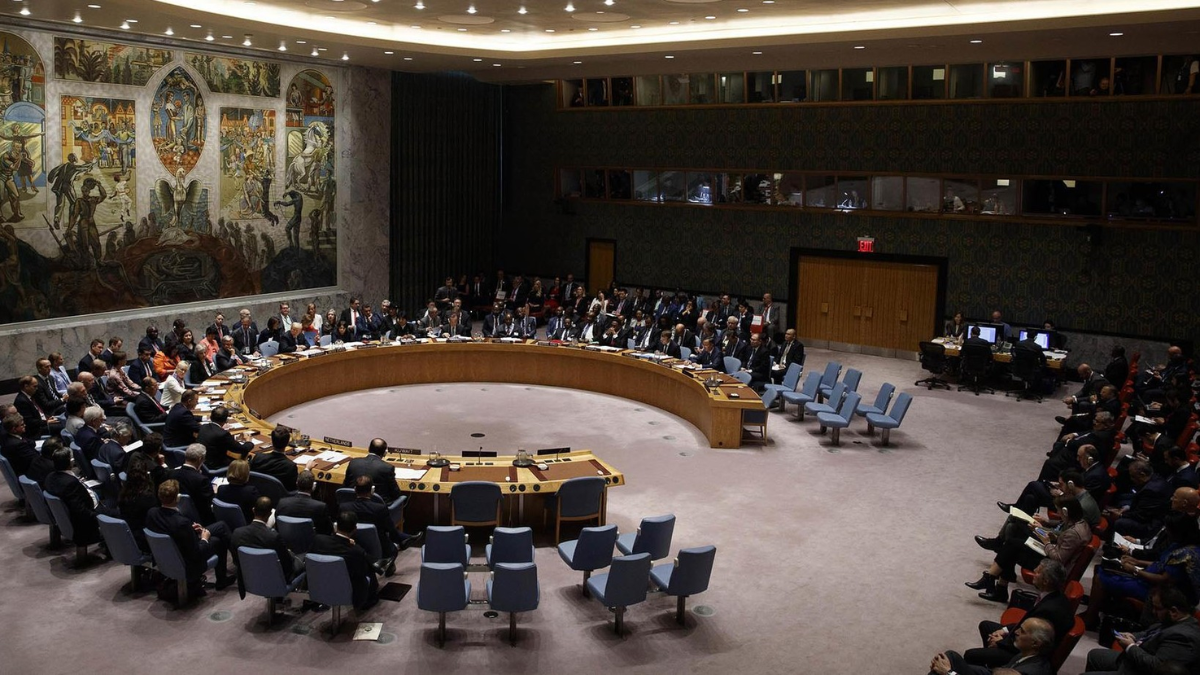
India Pakistan diplomatic clash at UN. Image courtesy: X/ @UN

In a scathing verbal attack on Pakistan at the United Nations Security Council (UNSC) on Tuesday (March 10, 2026), India targeted and strongly condemned Pakistan’s air strikes on Afghanistan and called out the “fake Muslim brotherhood” followed by Islamabad.
India’s Permanent Representative to the UN, Parvathaneni Harish, accused Pakistan of hypocrisy on talking about international law and Islamic solidarity while targeting Afghanistan, a Muslim nation, in the same breath.
“It is hypocritical to espouse high principles of international law and Islamic solidarity on the one hand, while mercilessly carrying out air strikes during the holy month of Ramadan,” Harish said in the UNSC meeting.
Recalling the UN Secretary-General’s concern over civilian deaths in Afghanistan after Pakistani airstrikes, the Indian Permanent Representative said India “strongly condemns airstrikes which are flagrant violations of international law, UN Charter and state sovereignty.”
It was hypocritical to speak of Islamic solidarity while “mercilessly carrying out airstrikes during the holy month of Ramadan, killing civilians, a majority of whom are women and children,” he said.
India also flagged the “trade and transit terrorism,” warning that vulnerabilities faced by Land-Locked Developing Countries must not be weaponised.
Calling for collective global action against terror outfits, Harish said, “Only coordinated efforts of the international community would ensure that ISIL/Al-Qaeda and their affiliates, including Lashkar-e-Taiba and Jaish-e-Mohammed and proxies such as The Resistance Front, along with those who facilitate their operations, no longer indulge in cross-border terrorism.”
Interestingly, Pakistan tacitly admitted that it targeted India’s development aid to Pakistan, walking into a trap laid by the Indian Permanent Representative at the UNSC.
Pakistan’s Permanent Representative Asim Iftikhar Ahmed, in a diplomatic blunder, admitted unwittingly that India was pained to see its huge investments in Afghanistan going to waste “as a result of Pakistan’s precise and effective action.”
In fact, the Indian Permanent Representative had not named Pakistan directly, but the Pakistani Permanent Representative undiplomatically admitted his nation’s airstrikes on Afghanistan targeted Indian development works in the war-ravaged nation.
This exchange between India and Pakistan came amidst escalating border violence and military tensions between Islamabad and Kabul.
Pakistan had previously accused Afghanistan of being “a proxy” to India in its military tensions and border clashes.