
Tariffs To Trust: Jaishankar Meets Rubio, Bessent In Washington Signalling Thaw in India-US Ties After Trade Deal
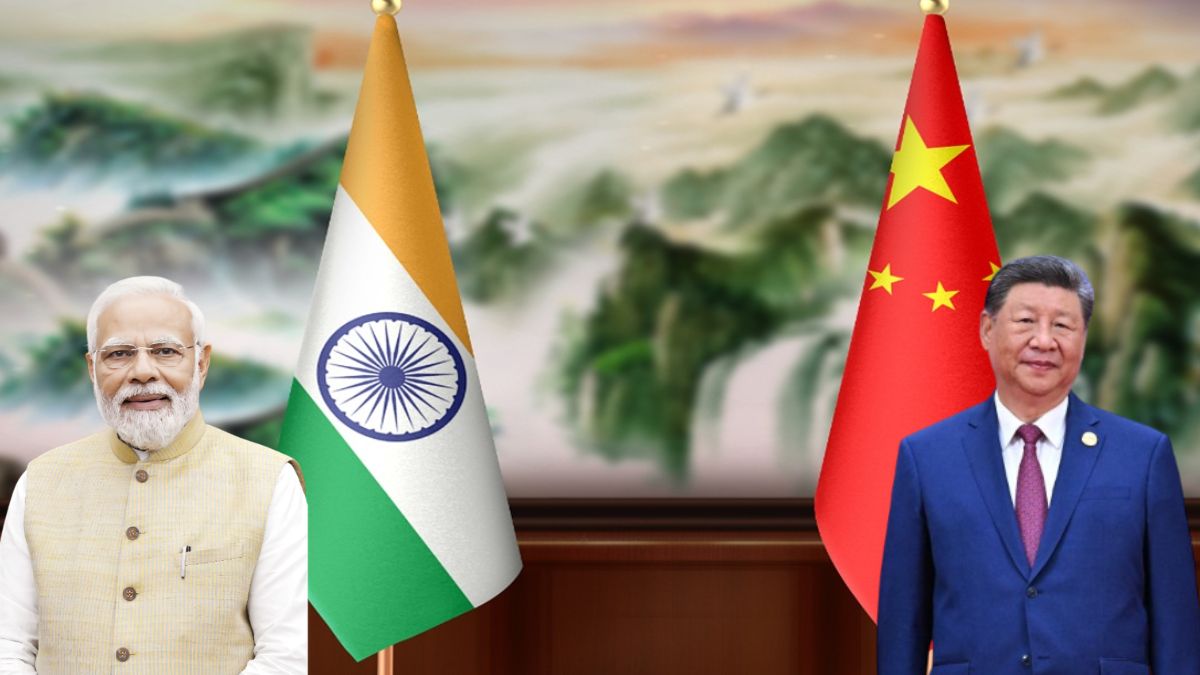
The EAM visit comes on the backdrop of the India-US trade deal, announced after a telephone discussion between PM Modi and Trump. Image courtesy: RNA

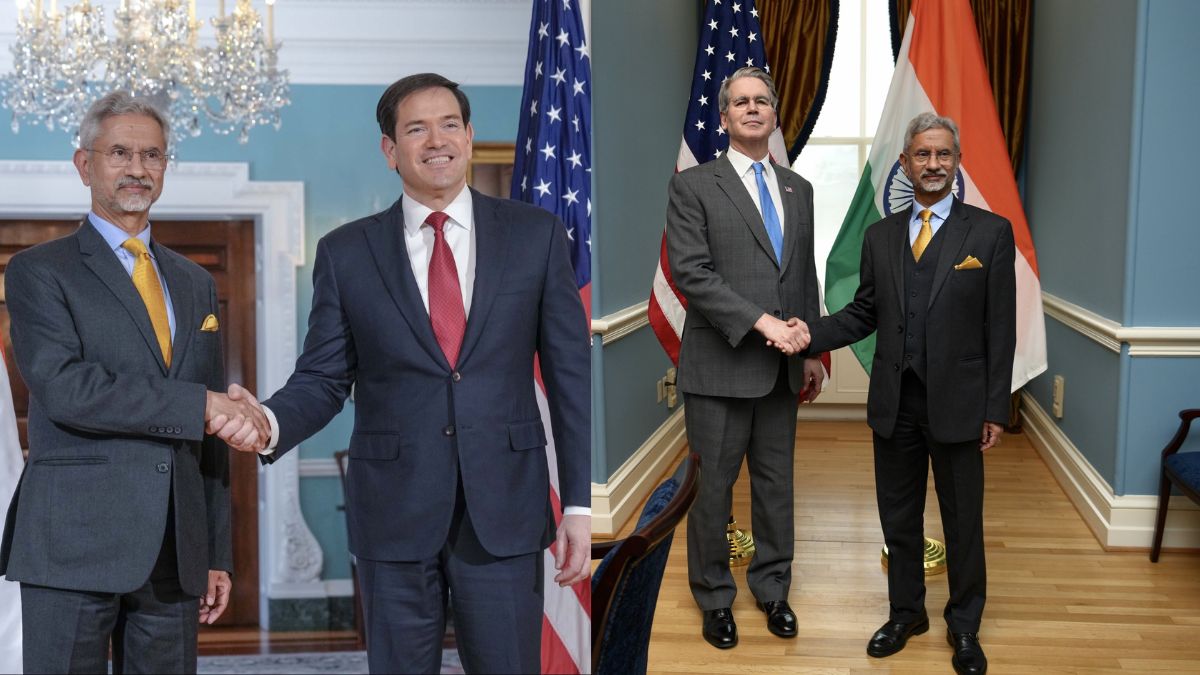
External Affairs Minister S Jaishankar is currently in the United States to attend a Critical Minerals Ministerial organised by US Secretary of State Marco Rubio in Washington. Before attending the key meeting, the EAM met Rubio in a key diplomatic moment, as their engagement comes just after India and the United States finalised a long-pending trade deal.
Announced on late Monday night (February 2, 2026), the India-US trade deal cuts US tariffs on Indian goods to 18% from 50%. The timing has amplified the significance of the talks, widely seen as signalling a reset and thaw in India–US relations after months of trade frictions.
EAM Jaishankar is on a three-day official visit (February 2–4, 2026), which also coincides with the inaugural Critical Minerals Ministerial, underscoring the growing strategic and economic convergence between the two democracies.
Jaishankar-Rubio meeting: Clearest signal yet of reset in India-US ties?
Both sides publicly welcomed the trade agreement and framed it as a foundation for deeper strategic cooperation. In a post on X after the meeting, Jaishankar described his talks with Rubio as “wide-ranging,” covering bilateral cooperation as well as regional and global issues.
A US State Department readout confirmed that Secretary Rubio and Minister Jaishankar welcomed the trade deal reached between President Donald Trump and PM Narendra Modi, stressing the importance of the two democracies working together to unlock new economic opportunities.
What were the key issues discussed by Jaishankar and Rubio?
According to both Indian and US accounts, the discussions spanned the core pillars of the India–US Strategic Partnership, including trade and economic cooperation; energy and nuclear collaboration; defence and security ties; critical minerals and advanced technology.
The two leaders also agreed on early meetings of various bilateral mechanisms to fast-track cooperation across these sectors.
How central are critical minerals to the new partnership?
Critical minerals emerged as a major focus of the talks. The US State Department said the two sides discussed formalising cooperation across exploration, mining and processing, reflecting shared concerns over supply-chain resilience amid global geopolitical disruptions.
This comes ahead of the Critical Minerals Ministerial in Washington, where delegations from more than 50 countries are expected to participate. The initiative aims to secure and diversify supply chains vital for clean energy, semiconductors, artificial intelligence and national security.
Quad’s role in this evolving equation?
Jaishankar and Rubio reaffirmed their commitment to expanding cooperation through the Quadrilateral Security Dialogue (Quad), which brings together India, the US, Japan and Australia. Both leaders stressed that a stable and prosperous Indo-Pacific remains essential to advancing shared strategic interests.
The Quad, officials said, remains a crucial platform linking economic resilience, maritime security and technology cooperation.
Jaishankar meets Scott Bessent
Along with Rubio, the External Affairs Minister also held talks with US Treasury Secretary Scott Bessent. Both the leaders discussed advancement of India-US economic cooperation. “Pleased to meet US Treasury Secretary Scott Bessent in Washington DC today,” Jaishankar posted on X.
Had a useful discussion on advancement of India – US economic partnership and strategic cooperation, he added.
How does India stand to benefit economically from trade deal with US?
Union Commerce Minister Piyush Goyal called the agreement a “tremendous opportunity” and described it as India’s best trade deal compared to its neighbours and competitors. The reduction in tariffs is expected to boost Indian exports to the US, create new opportunities for farmers, MSMEs, entrepreneurs and skilled workers.
Further, the India-US trade deal would also strengthen Make in India, Design in India and Innovate in India initiatives along with enabling greater access to advanced US technologies. Indian exports to the US rose nearly 16% year-on-year in the first eleven months of the current fiscal, highlighting the growing scale of the trade relationship.
What concessions and commitments are part of the deal?
According to officials, India has agreed to increase purchases of US petroleum, defence equipment and aircraft; expand imports in sectors such as telecom and pharmaceutical; offer select market access in agriculture, while safeguarding core domestic interests.
The US, in turn, has committed to significantly lowering tariffs and supporting deeper technology and energy collaboration. A more comprehensive trade pact is expected to be negotiated over the coming months.
Taken together, the trade deal, Jaishankar’s Washington engagements and the push on critical minerals point to a broader strategic realignment. At a time of global economic uncertainty and shifting supply chains, both New Delhi and Washington appear keen to anchor their partnership in trade, technology and trusted supply networks.
As Goyal put it, the agreement is “not just a trade deal, but a historic turning point” that could reshape India-US ties and accelerate India’s journey towards Viksit Bharat 2047.