Trump Softens Tone After UK Fury Over His NATO Claim On Afghanistan: Brave Soldiers Of UK Will Be With US
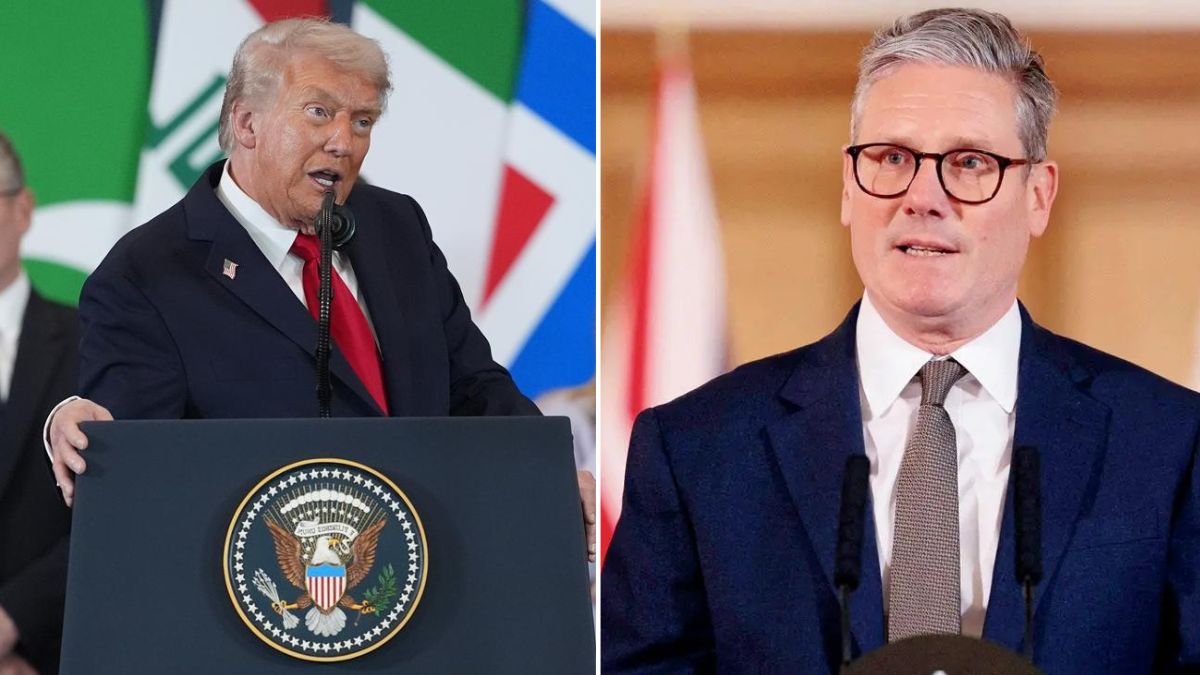
After his NATO remarks, US President Trump hhas praised the UK soldiers who fought in Afghanistan, calling them "very brave." Image courtesy: RNA

British Prime Minister Keir Starmer held a phone call with US President Donald Trump on Saturday (January 24, 2026) after remarks by Trump about NATO’s role in the Afghanistan war triggered sharp backlash in the United Kingdom (UK), particularly from veterans and military families.
The controversy erupted after Trump suggested that NATO forces stayed largely away from frontline combat during the two-decade-long conflict, remarks which were swiftly rejected by London as misleading and deeply offensive.
What exactly did Trump say about NATO in Afghanistan?
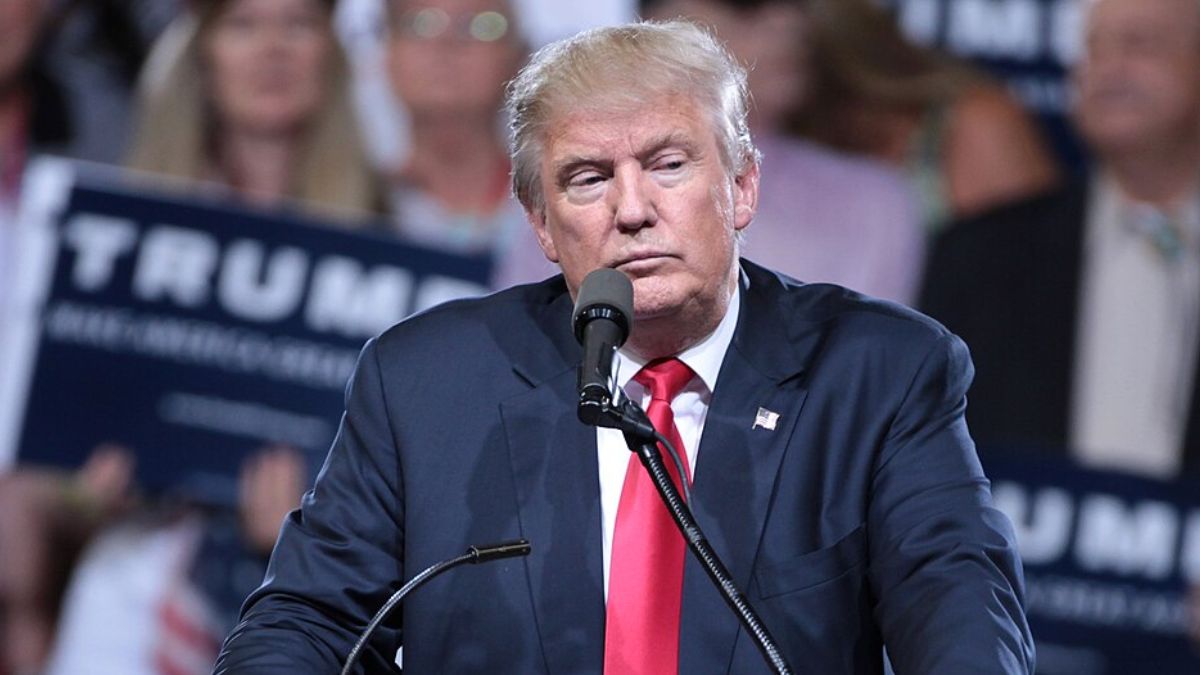
Speaking on Thursday (January 22, 2026), US President Trump claimed that NATO allies had sent “some troops” to Afghanistan but largely remained “a little back, a little off the front lines,” a remark that appeared to downplay the combat role played by allied forces, including British troops.
The statement immediately drew outrage in the UK, where military veterans and families of fallen soldiers accused Trump of diminishing their sacrifices. Downing Street later said the US president was “wrong” to characterise NATO’s role in that manner.
Why did Trump’s remarks spark outrage in the UK?
The UK was one of the closest US allies in Afghanistan, deploying tens of thousands of troops after NATO invoked Article 5, the alliance’s collective defence clause, for the first and only time in its history following the September 11, 2001 terror attacks.
During the conflict, 457 British service personnel were killed, making the UK the second-largest contributor in terms of military fatalities after the United States. The mother of Ben Parkinson, a British soldier who was severely injured in Afghanistan, called Trump’s remarks the “ultimate insult,” echoing the anger felt by many military families.
PM Starmer described the comments as “insulting and frankly appalling,” stressing that British and American soldiers had fought “side by side” in some of the most dangerous theatres of the war.
Is Trump’s claim about NATO troops staying off the front lines true?
Military records and historical accounts contradict Trump’s assertion. NATO allies, particularly the UK, Canada, Denmark and others, were deeply involved in frontline combat operations, especially in volatile regions such as Helmand province. British forces regularly led combat missions, suffered heavy casualties and played a central role.
By the time the US withdrew in 2021, more than 3,500 coalition soldiers had died, around two-thirds of them Americans. The UK recorded 457 deaths, compared to 2,461 US fatalities, underscoring the scale of allied involvement.
Trump softens stance after backlash
Following the uproar, Trump struck a more conciliatory tone. In a post on his social media platform Truth Social on Saturday, he praised British troops, calling them “very brave.” “The great and very brave soldiers of the United Kingdom will always be with the United States of America,” Trump stated.
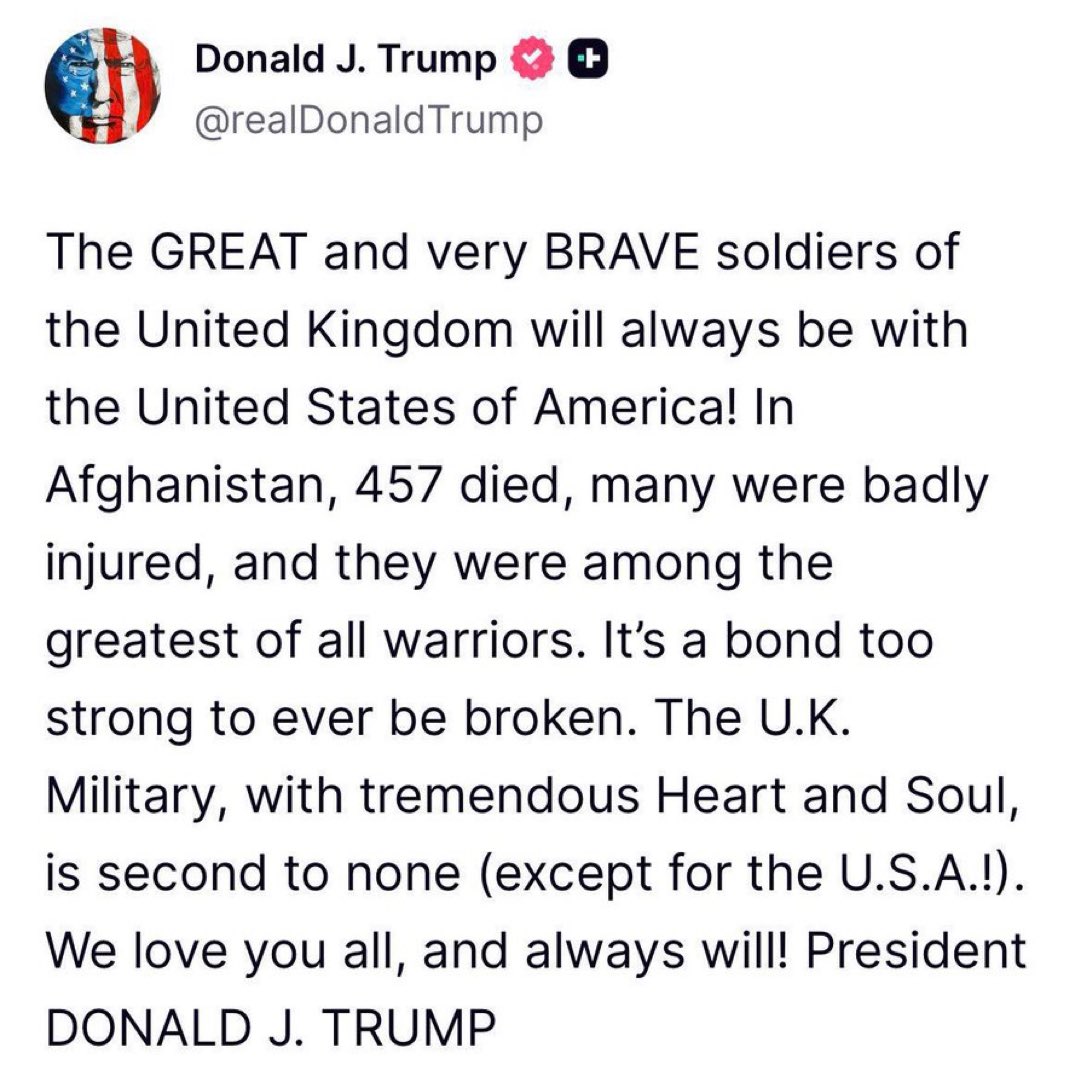
However, critics in the UK said the damage had already been done, arguing that the initial remarks reflected a broader pattern of Trump questioning the value of NATO alliances.
What else did Starmer and Trump discuss during their call?
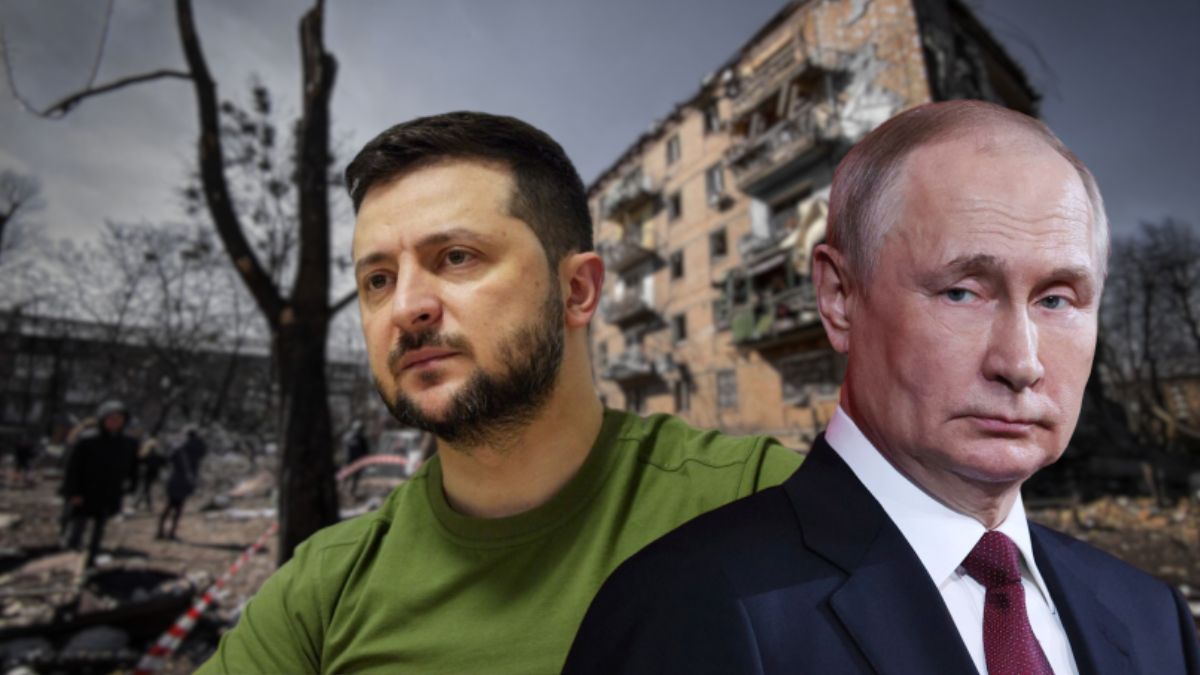
Beyond the Afghanistan controversy, the two leaders discussed the war in Ukraine, agreeing on the need to make progress toward a sustainable ceasefire. According to Downing Street, Starmer reiterated that international partners must continue supporting Ukraine against what he described as Russian President Vladimir Putin’s “barbaric attacks.”
The call also covered Arctic security, with both leaders agreeing on the need to bolster cooperation in the strategically sensitive region. Starmer stressed that Arctic security is an “absolute priority” for his government.
Despite the tensions, Downing Street emphasised that the UK–US relationship “continues to stand the test of time.”