


UAE’s Defences Intercept Iran Attacks on Water, Energy Plants as Oman Talks Hormuz Transit
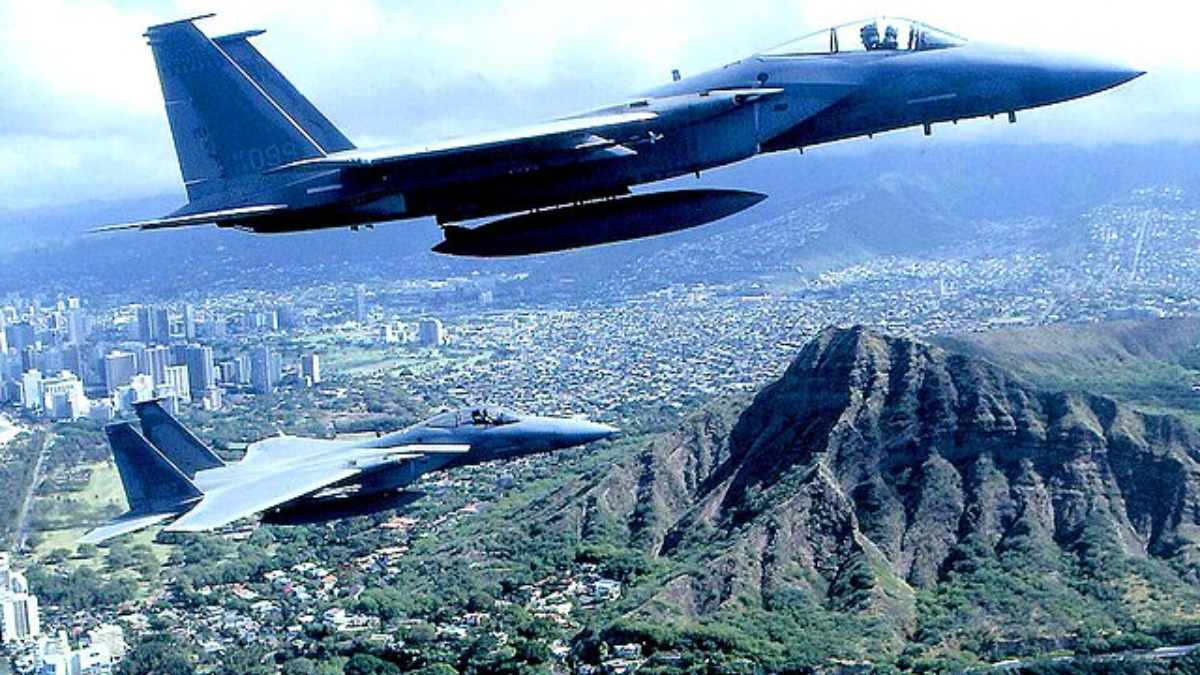
UAE intercepts Iranian missiles. Image courtesy: Wikimedia

The United Arab Emirates (UAE) on Sunday (April 5, 2026) said its air defence systems were responding to Iranian missile and drone strikes, even as it joined Bahrain and Kuwait to condemn attacks on their water and energy plants.
Oman, on the other hand, initiated talks with Iran on allowing transit of cargo vessels from its port through the now blockaded Strait of Hormuz.
UAE Blocks Iranian Missile, Drone Attacks
In Dubai, the UAE said its air defence systems were actively engaging the Iranian missiles and drones that were targeting its aluminium industries.
“UAE air defences…are actively engaging with missiles and UAV threats,” the UAE Ministry of Defence said in a post on X. The UAE MoD claimed that the projectiles were being fired from Iran.
“MoD (Ministry of Defence) asserts that the sounds heard across the country are the result of ongoing engagement operations of missiles and UAVs,” it added.
Iran’s official IRNA news agency reported on Saturday (April 4) that the Iranian military was targeting “aluminium industries” in the UAE and the American military infrastructure in Kuwait.
The UAE is an ally of the US and is the only one of the two Gulf nations to normalise ties with Israel in an agreement in 2020, the other being Bahrain.
Iran has repeatedly accused its Gulf neighbours of colluding with the US on the latter’s war and carrying out attacks on its territory, while the other West Asian nations have denied these allegations, saying they would not allow their territory or airspace to be used against Iran.
Iran’s neighbours have suffered Iranian missile and drone retaliatory strikes in the last five weeks since the latest Gulf war began on February 28, when the US and Israeli combined airstrikes hit Tehran, killing its Supreme Leader Ayatollah Ali Khamenei.
UAE, Bahrain & Kuwait Water, Energy Plants Hit by Iran
Meanwhile, the UAE joined Bahrain and Kuwait to accuse Iran of targeting its civilian infrastructure, including water and energy plants.
Abu Dhabi said on Sunday (April 5) that it was battling fires at the Borouge petrochemical plant in Ruwais Industrial City on the UAE’s northwest coast, caused by the Iranian missile and drone debris after being successfully intercepted by its air defence systems.
“Operations at the facility have been immediately suspended while damage is assessed. No injuries have been reported,” the UAE’s media office said.
Bahrain said on Sunday (April 5) that its state-run energy company came under Iranian attack, resulting in a fire at a storage tank that was later extinguished.
“Bapco Energies confirms an incident occurred at one of its storage facilities earlier today, resulting in a tank fire, as a result of a hostile Iranian drone attack,” the company said, without specifying the location of the fire.
“The fire has been fully extinguished, and the situation is under control. Damages are currently being assessed and evaluated. No injuries have been reported,” it added.
Earlier, Kuwait’s electricity and water ministry said two Kuwaiti power and water desalination plants were damaged by a drone attack from Iran, causing “significant material damage and the shutdown of two electricity-generating units.”
Oman, Iran Talk Cargo Transit Through Hormuz
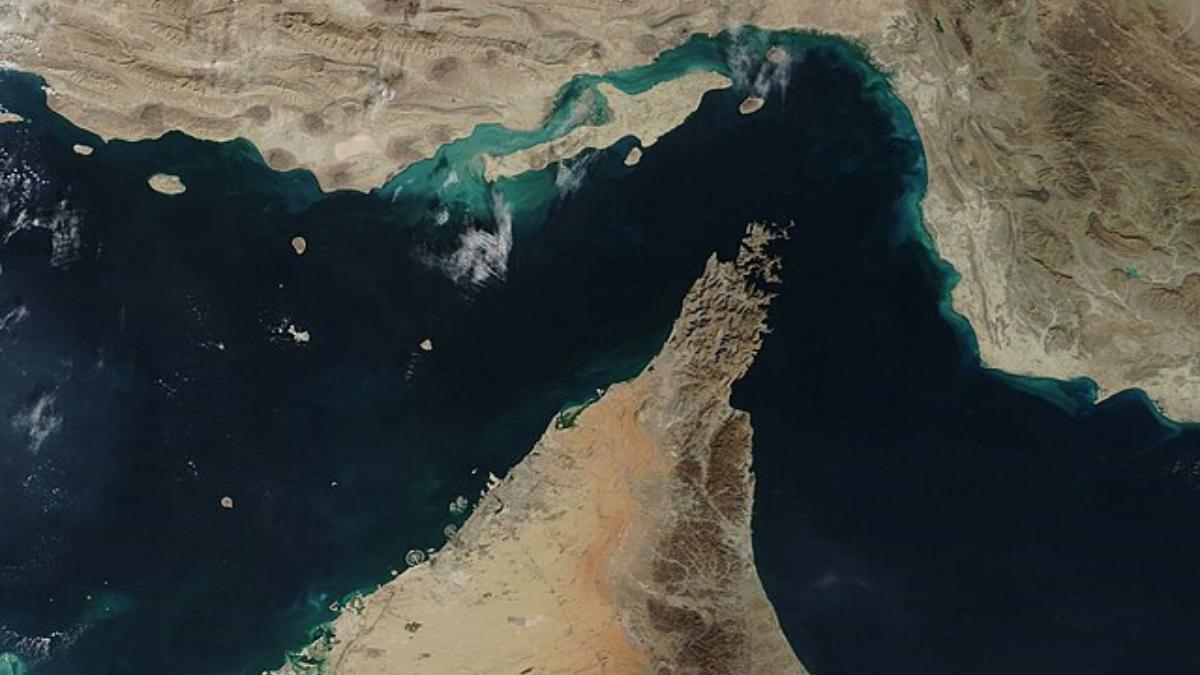
Meanwhile, Oman held discussions with Iran on allowing cargo ships originating in the former’s port through the Strait of Hormuz, which has remained blockaded by Tehran since February 28.
Omani News Agency said the state’s Deputy Foreign Minister and officials met their Iranian counterparts, along with technical specialists, to find a way to revive the movement of cargo and safe navigation through the narrow passageway.
The news agency’s social media post said the officials from Oman and Iran put forward several suggestions and proposals to resolve the current impasse over the cargo traffic through the Hormuz Strait.
The Strait of Hormuz is a key maritime passage for about one-fifth of global oil shipments, and the traffic has been almost halted after Iran began targeting cargo vessels passing through in retaliation for the US-Israel airstrikes on its leaders and territory.