


US Triggers Row After Deleting Post With Official Indian Map
A USTR social media post displaying India’s full official map, released alongside details of the bilateral interim trade framework, was later deleted, triggering debate over territorial representation and diplomatic signalling.

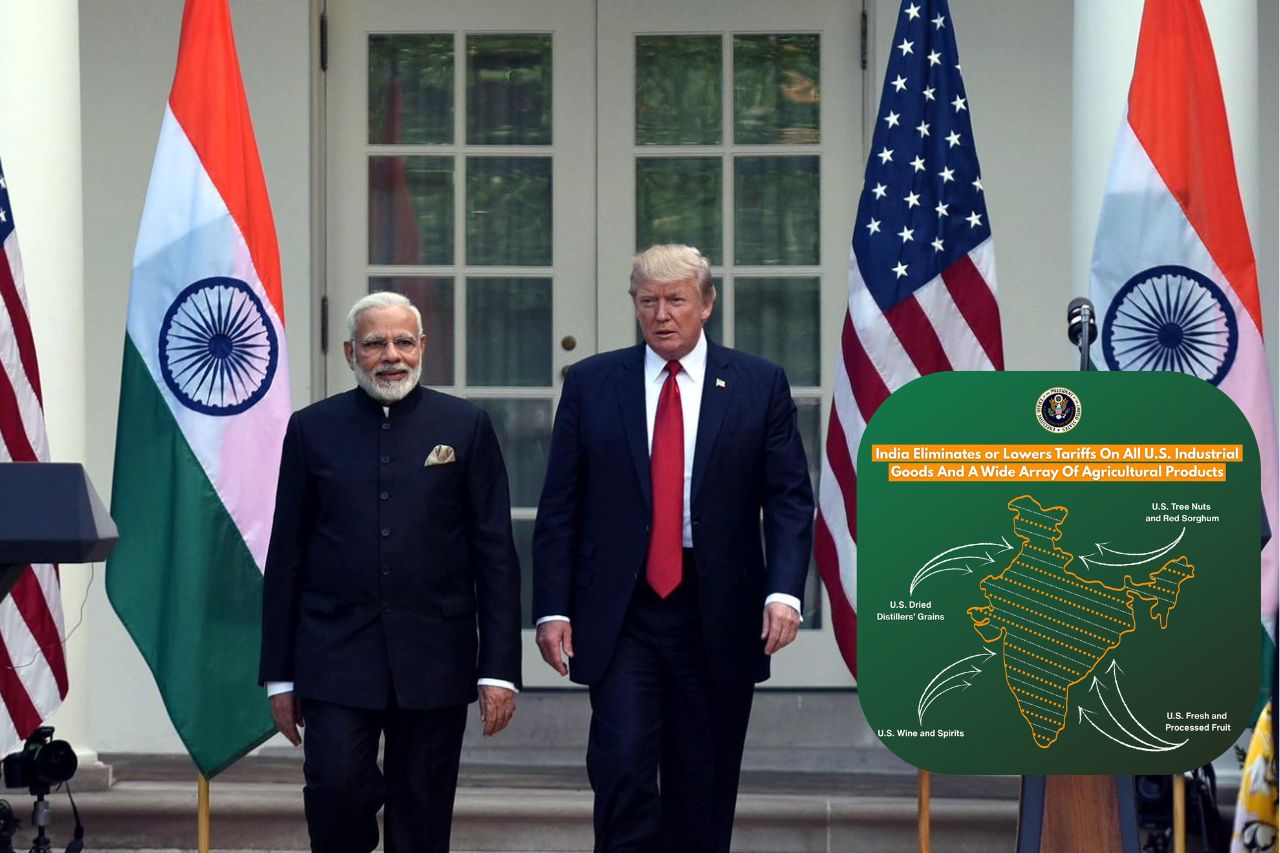
The United States Trade Representative (USTR) has triggered a controversy by deleting a social media post that showed the full, official map of India that included Jammu and Kashmir, Pakistan-occupied Kashmir, Ladakh, and China-occupied Aksai Chin.
When the post on microblogging site X was made on February 7, 2026, the Indian map had caught the attention of the world for the US deviating from its practice of marking the PoK and Aksai Chin as disputed territory.
Geopolitical analysts framed the X post as the Trump administration’s approval of India’s strategic importance and global standing, even as its relations with both Pakistan and China remained sketchy and frosty.
But this interpretation ended the moment the USTR deleted that X post that was part of the announcement on the India-US bilateral interim framework agreement on trade.
The USTR post on its X handle had come soon after New Delhi and Washington announced they had agreed on the terms of the trade deal.
The Indian map, as part of the X post, had graphics that showed India reducing’ tariffs on US exports.
The removal of the post indicated that the map was an oversight at the USTR end.
This came at a time American strategic ties with India had been fully restored following a tariff-related trouble since May 2025.
The US-India ties had plummeted after Trump claimed credit for stopping the India-Pakistan military exchanges under Operation Sindoor, and Pakistan recommended his name for the Nobel Peace Prize that Trump never got.
India held that the May 2025 Operation Sindoor stopped only after Pakistan made a request for a ceasefire through a military-to-military hotline call.
India always objected to its maps being distorted by foreign agencies and maintained that maps should reflect its position that the entire Jammu and Kashmir and Ladakh, including parts under Pakistan and China control, were an integral part of its territory.