

Precious Lives Of Seafarers Lost: India Calls For Safe Shipping Through Hormuz, Condemns Attacks On Commercial Ships
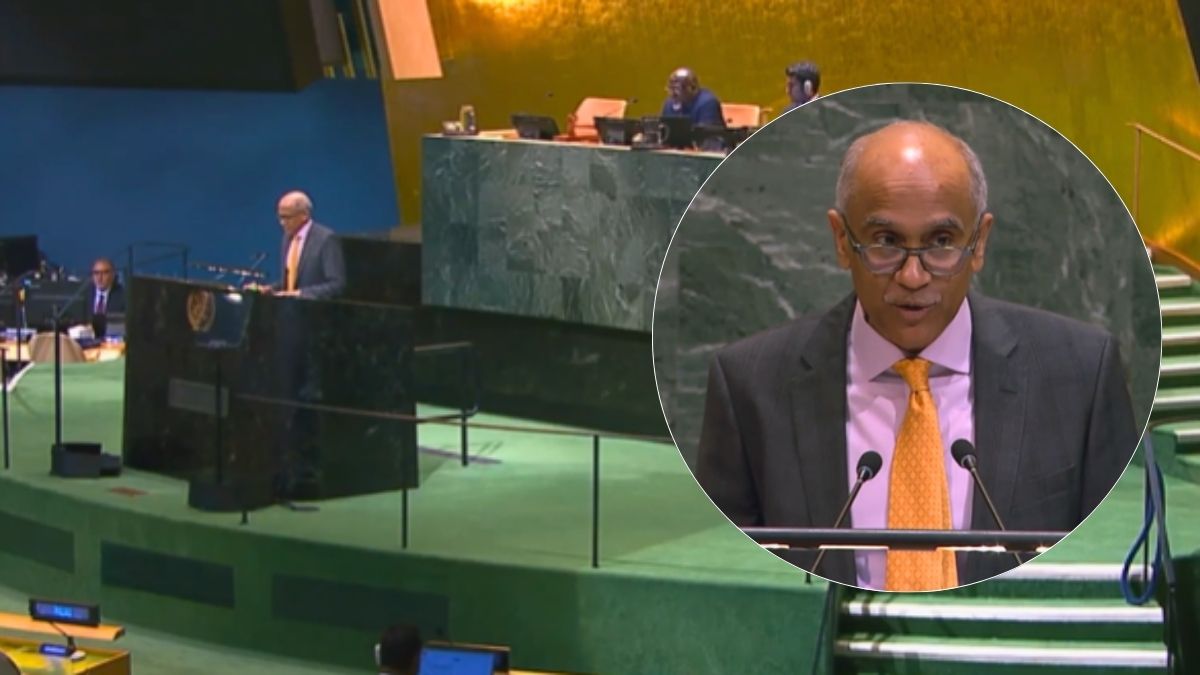
India has strongly condemned attacks targeting civilian maritime activities and urged strict adherence to international norms. Image courtesy: RNA

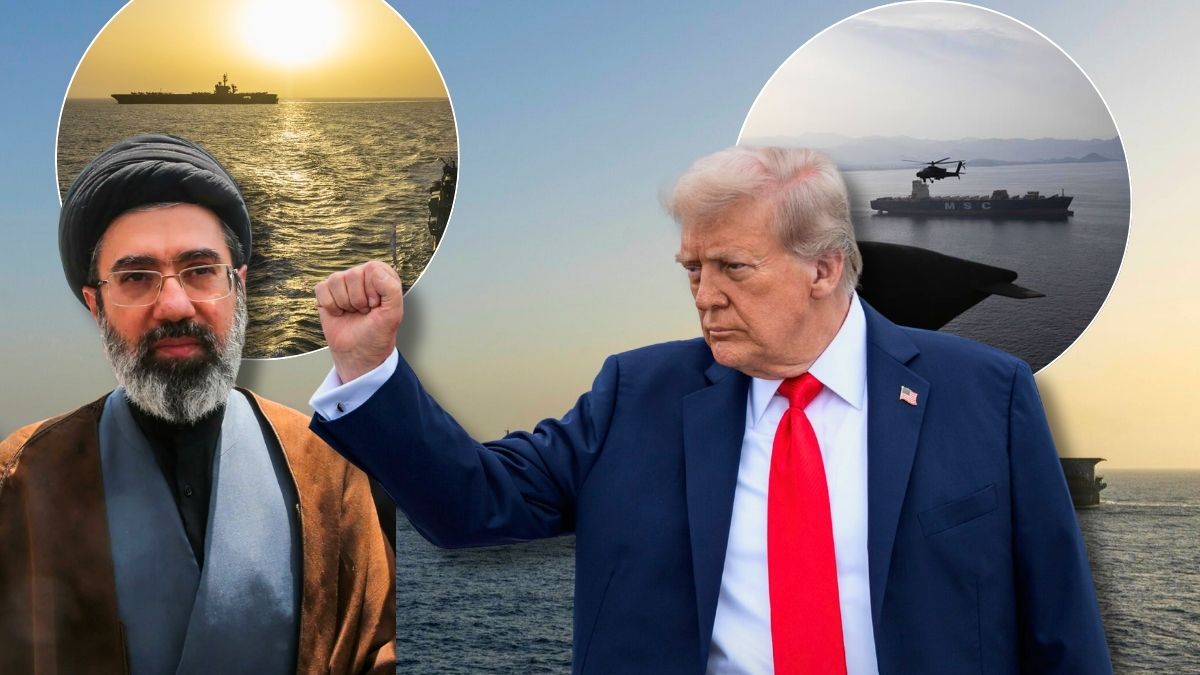
Even as US-Iran are currently following the agreed upon ceasefire, major concerns on transit through the Strait of Hormuz still persist. This has not only affected major shipping routes but also rattled the global oil and energy markets significantly. In view of the continued tensions, India has sounded a strong warning at the United Nations General Assembly.
Amid escalating tensions in West Asia and continued disruptions in global shipping routes, India’s Permanent Representative Ambassador Harish P shifted attention to the growing risks to commercial vessels in the Strait of Hormuz, which is a critical artery for global energy supplies handling around 25% world seaborne oil trade.
At the UN debate on ‘The Situation in the Middle East’, the Indian Permanent Representative Ambassador said, “An aspect of particular concern for India, for its energy and economic security, relates to commercial shipping through the Strait of Hormuz. India has deplored the fact that commercial shipping was made a target of military attacks in the conflict.”
How serious is the threat to Indian lives and interests?
India’s concerns go beyond trade disruptions as they now include human losses. In a stark reminder of the conflict’s toll, Ambassador Harish P confirmed that Indian nationals have been among the victims. “The precious lives of Indian seafarers aboard ships have been lost during the course of the conflict,” he stated.
The Strait of Hormuz handles nearly a fifth of global oil shipments, making it vital for India, one of the world’s largest energy importers. Any instability here directly impacts fuel prices, supply chains, and broader economic stability.
What is India’s position on attacks on merchant vessels?
India delivered a firm and unequivocal message, strongly condemning attacks on civilian maritime activity and calling for strict adherence to international norms.
“We reiterate that the targeting of commercial shipping and endangering innocent civilian crew members or otherwise impeding the freedom of navigation and commerce in the Strait of Hormuz are unacceptable,” Harish said.
He further stressed the importance of restoring normalcy in global shipping routes, “International law in this regard must be fully respected. We strongly urge that safe and unimpeded freedom of navigation and global commerce through the Strait of Hormuz be restored at the earliest.”
How do these remarks link to Jaishankar’s recent warning?
The latest intervention at the UN comes just days after External Affairs Minister S Jaishankar made a similar strong statement at the AZEC Plus meeting hosted by Japan. Jaishankar called attacks on merchant vessels “completely unacceptable,” underlining that secure sea lanes are essential for global economic stability.
Together, these statements reflect a consistent and escalating diplomatic push by India, from multilateral forums to global platforms, to safeguard maritime security and protect global energy flows.
What is India calling for amid the escalating conflict?
Reiterating its long-standing stance, India has called for restraint, dialogue, and de-escalation as tensions continue to rise in Iran and the Gulf region.
“Since the outbreak of the conflict in Iran and the Gulf region on the 28th of February 2026, India had expressed deep concern and urged all states to exercise restraint, avoid escalation, and prioritise safety of civilians. We have urged all states to promote dialogue and diplomacy and de-escalation of tensions, and to purposefully address underlying issue,” he said.
India’s message is clear: safeguarding maritime routes is not just a regional necessity but a global imperative.


