Bridges, Ships and Solidarity: India’s Naval-Led HADR in Sri Lanka

Sri Lanka received a fresh boost to its post-cyclone recovery efforts on 4 February when the Indian Naval Ship Gharial docked in Colombo carrying ten Bailey bridges. The portable steel structures, urgently required in several districts cut off after Cyclone Ditwah, were handed over as part of India’s continuing humanitarian assistance to the island nation. The delivery marks the latest phase of Operation Sagar Bandhu, under which India has been supplying relief material, rescue support and essential infrastructure since the cyclone struck in late November.
The mission was launched almost immediately after Cyclone Ditwah battered Sri Lanka between 27 and 28 November 2025. The storm’s impact was severe—floodwaters swallowed homes and farmland, hillsides gave way, and entire districts were suddenly cut off. As Sri Lankans were still assessing the scale of the devastation, India became the first country to dispatch disaster-response teams. Within the first 24 hours—when survival often depends on minutes rather than hours—Indian personnel were on the ground, rescuing people from debris, assisting with medical care, and helping restore communications. So far, more than 450 people have been rescued or assisted, a number that continues to rise as teams reach previously inaccessible areas.
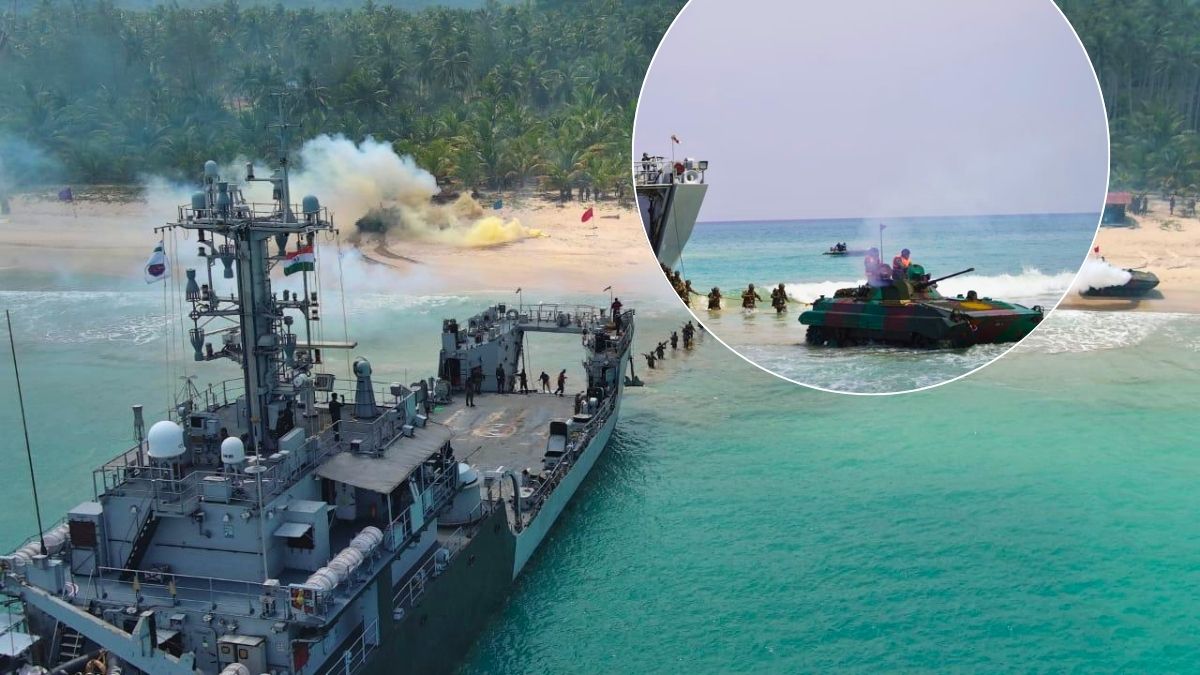
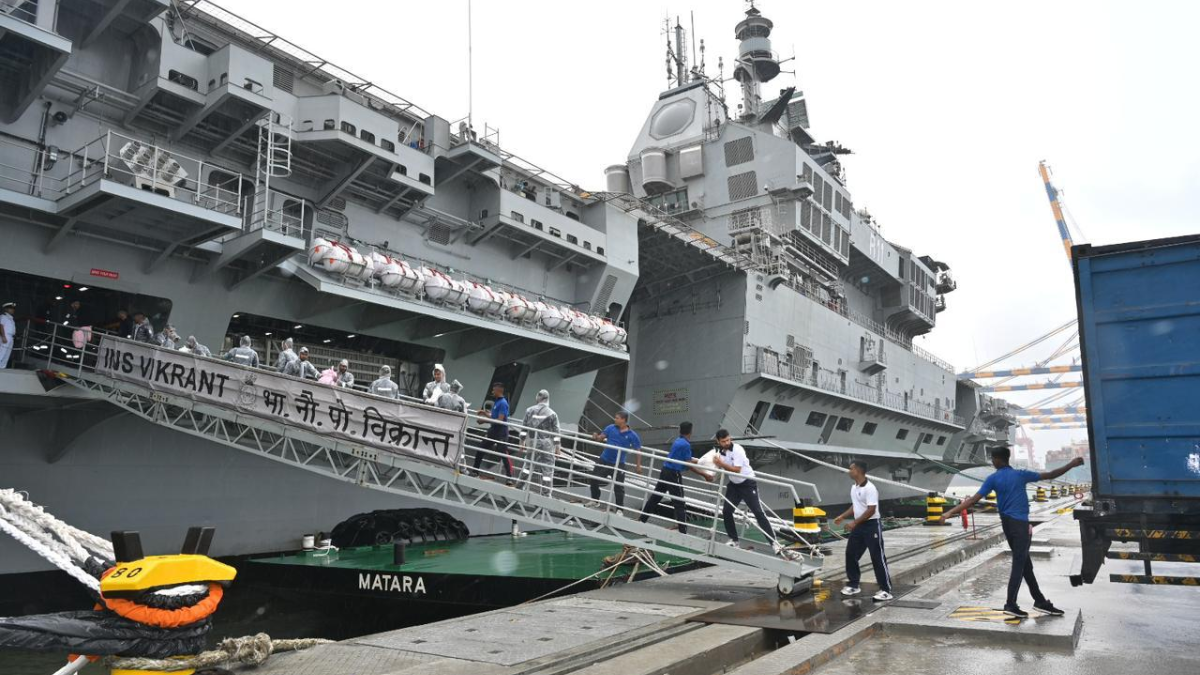
Throughout December, the Indian Navy expanded its support. In addition to INS Gharial, landing craft utility ships LCU 54, LCU 51 and LCU 57 transported nearly a thousand tonnes of food supplies and humanitarian stores to the worst-affected districts. Helicopters operating from INS Vikrant, INS Udaygiri and INS Sukanya took to the skies as soon as weather conditions permitted, delivering emergency rations to marooned villages.
Over the past two decades, the Indian Navy has quietly built a reputation across the region as a reliable first responder. Its most defining intervention remains Operation Rainbow following the 2004 Indian Ocean tsunami. Even while India was grappling with its own devastation, Indian naval ships and helicopters were already heading toward Sri Lankan shores. Galle and Trincomalee witnessed Indian teams clearing debris, evacuating survivors, and distributing food, water and shelter materials. Vessels such as INS Sandhayak, INS Taragiri and INS Sutlej served as floating relief hubs during those difficult weeks.
That pattern continued during later disasters. India dispatched INS Sutlej and INS Sunayna during the 2016 Cyclone Roanu floods, and a year later, INS Kirch arrived with relief supplies when Sri Lanka faced another spell of severe monsoon flooding. In 2021, Indian naval and environmental teams assisted in containing the massive fire aboard the cargo vessel X-Press Pearl, which spilled chemicals off Colombo’s coast and triggered a major maritime emergency.
While humanitarian missions often draw public attention, India has simultaneously pursued steady capacity-building initiatives with its neighbours in the Indian Ocean region. In June 2024, India supported Sri Lanka in establishing a modern Maritime Rescue Coordination Centre (MRCC), a critical facility for managing search-and-rescue operations across the island’s expansive maritime zone. That same year, India also provided a Dornier maritime reconnaissance aircraft, strengthening Sri Lanka’s surveillance and patrolling capabilities.
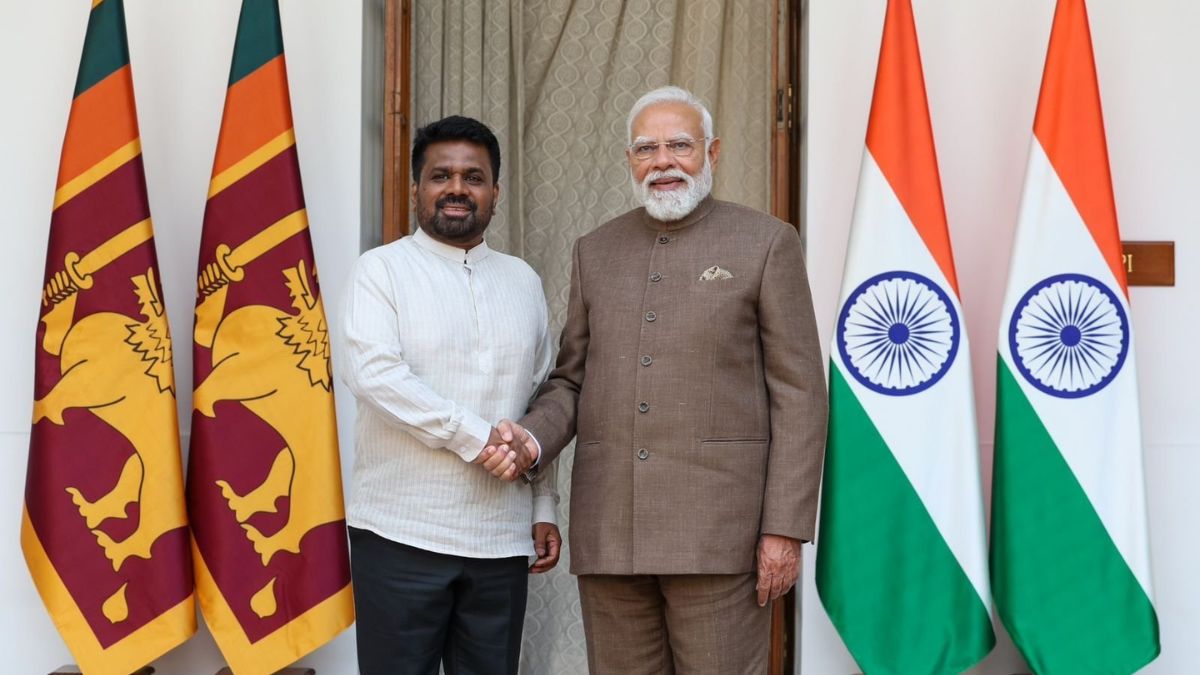
India’s HADR efforts and capacity-building initiatives have laid the groundwork for deeper strategic cooperation. During Prime Minister Narendra Modi’s visit to Sri Lanka in April 2025, the two countries signed a Memorandum of Understanding on Defence Cooperation—widely seen as their most significant defence understanding since the 1987 Indo–Sri Lanka Accord. The agreement signalled a renewed level of trust and strategic alignment between the two neighbours.
Colombo has, in turn, acknowledged India’s core security concerns. Frequent visits by Chinese research vessels and submarines had raised concerns in New Delhi. In 2024, Sri Lanka imposed a one-year pause on foreign research vessels entering its waters and later introduced a Standard Operating Procedure governing the entry of foreign military aircraft and naval ships. Reports also suggest that Sri Lanka postponed a planned naval exercise with Pakistan near Trincomalee after India expressed reservations.
Economic and energy cooperation has advanced alongside security engagement. The India–Sri Lanka–UAE initiative to develop Trincomalee as a regional energy hub reflects long-term strategic planning. Sri Lankan leaders have repeatedly emphasised that their territory will not be used in ways that undermine India’s security or destabilise the wider Indian Ocean region.
In September 2025, India’s Chief of Naval Staff, Admiral Dinesh K. Tripathi, visited Colombo and held extensive discussions with Prime Minister Dr Harini Amarasuriya and senior defence officials. Talks covered joint training, operational coordination and Sri Lanka’s participation in Indian naval engagements such as MILAN, the Admiral’s Cup and the forthcoming International Fleet Review.
Against this broader backdrop, the Bailey bridges that arrived on 4 February represent more than reconstruction hardware. In the coming weeks, they will reconnect villages, reopen supply routes and restore mobility where roads once existed. Symbolically, however, each bridge also reinforces a larger message: regional partnerships acquire meaning only when they translate into action during moments of vulnerability.
For India, these efforts align closely with the SAGAR doctrine—Security and Growth for All in the Region—an approach that emphasises cooperation, capacity-building and shared responsibility across the Indian Ocean. For Sri Lanka, the bridges offer a familiar reassurance: when disaster strikes, India acts swiftly—often before formal requests or diplomatic calls are made—serving as a dependable first responder.