

MILAN 2026 Sea Phase Underway In Bay of Bengal: INS Vikrant Part Of High-End Multilateral Naval Drills
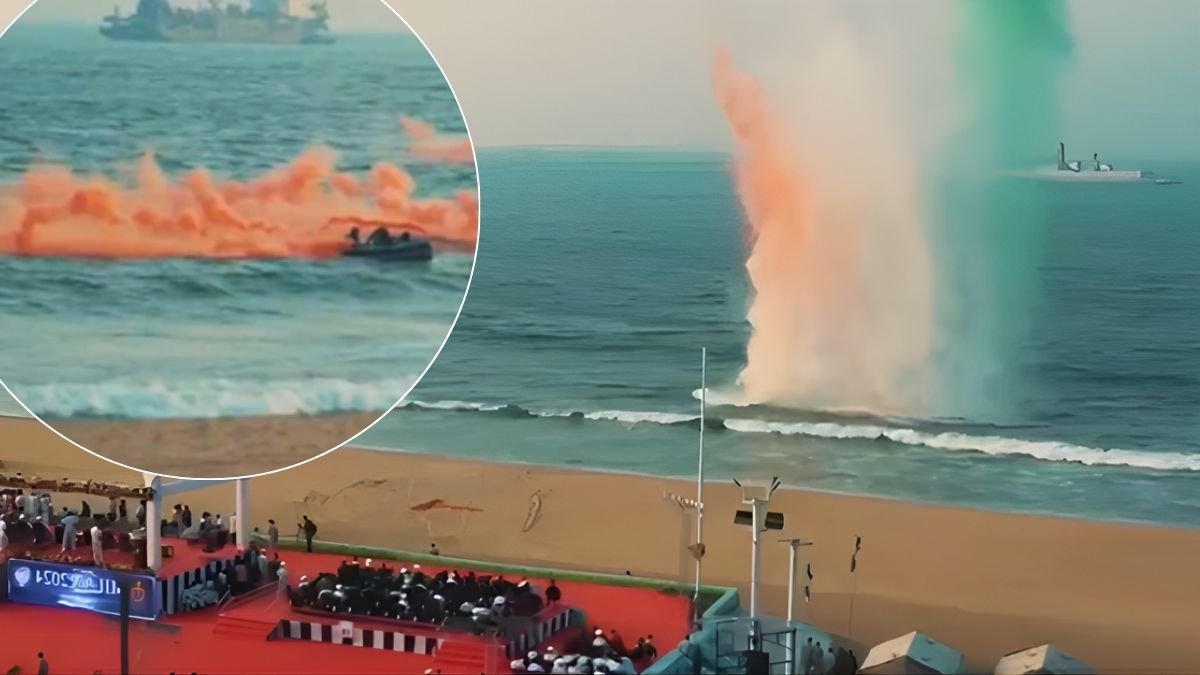
MILAN, the Multilateral Naval Exercise hosted by India, made a modest beginning in the Andaman and Nicobar Islands in 1995. Image courtesy: RNA

MILAN, the Multilateral Naval Exercise hosted by India, made a modest beginning in the Andaman and Nicobar Islands in 1995. And even now, three decades later, the naval drills continue to significantly shape global maritime ties, while also reflecting Indian Navy’s capabilities and power.
Being held in Visakhapatnam, the operational heart of Exercise MILAN 2026 is currently with the sea phase having commenced in the Bay of Bengal on Saturday (February 21, 2026), bringing together warships, submarines and aircraft from across the Indo-Pacific in one of the region’s largest multilateral naval engagements.
Hosted by the Indian Navy, MILAN 2026 underscores India’s expanding maritime outreach and its role as a key security provider in the Indo-Pacific.
MILAN 2026 exercise sea phase: What makes it the core?
While the harbour phase (February 18-20, 2026) focused on professional exchanges and strategic dialogue, the sea phase marks the transition to complex operational drills at sea.
Under the sea phase, Indian naval ships, submarines and aircraft are operating alongside participating foreign navies in coordinated maritime missions designed to test interoperability, communication protocols and tactical cohesion in high-tempo scenarios. The sea phase is widely regarded as the operational crucible of the exercise.
Why is INS Vikrant’s participation significant?
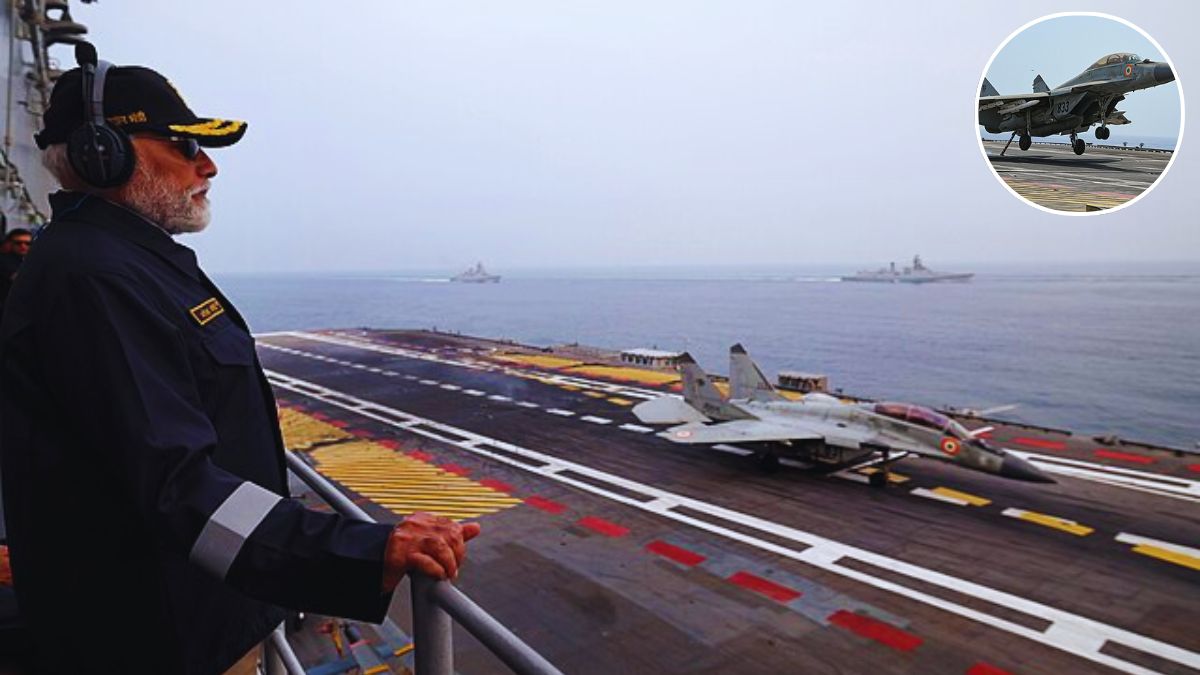
India’s indigenous aircraft carrier INS Vikrant has a central role in the sea phase, symbolising New Delhi’s growing blue-water capabilities. As one of the Indian Navy’s most advanced platforms, Vikrant’s participation elevates the scale and complexity of operations, particularly in carrier battle group manoeuvres and air operations at sea.
Carrier-based aircraft operations, integrated air defence drills and coordinated task force movements are expected to form a key highlight of the exercise.
What kind of naval warfare drills are planned?
MILAN 2026 will span the full spectrum of maritime warfare across surface, sub-surface and air domains. Planned activities include formation manoeuvres and tactical navigation drills, surface gunnery and live firing exercises, anti-air warfare (AAW) drills, anti-submarine warfare (ASW) operations, cross-deck helicopter operations, aircraft carrier group operations, search and rescue (SAR) missions, cooperative maritime security exercises.
Submarines and dedicated ASW units will conduct coordinated detection and tracking exercises, sharpening underwater combat readiness. Simultaneously, air defence units will simulate countering aerial threats in layered defence formations.
How does MILAN enhance naval interoperability?
A key objective of MILAN is to strengthen interoperability among participating navies, enabling seamless communication, coordinated responses and shared situational awareness during joint missions.
Foreign warships operating in close coordination with Indian naval units reflect the expanding scope and scale of the exercise. From communication drills to complex tactical evolutions, the sea phase tests collective readiness under simulated operational stress. Such engagement enhances maritime domain awareness and reinforces collaborative security frameworks in the Indo-Pacific.
Held in the Bay of Bengal, a strategically vital maritime corridor, MILAN 2026 comes amid growing geopolitical competition and heightened focus on Indo-Pacific security architecture. As one of the largest multilateral naval exercises in the region, MILAN reflects India’s commitment to cooperative security and its increasing stature as a maritime power.
What does it signal for the Indo-Pacific?
With navies from across the globe participating, MILAN 2026 is more than a tactical drill, it is a strategic signalling platform. The presence of advanced platforms like INS Vikrant, integrated submarine operations and multi-domain warfare drills underscores the Indian Navy’s preparedness to operate in complex, contested environments.
Defence Minister Rajnath Singh, while inaugurating MILAN 2026, said the naval drills seeks to enhance interoperability among navies of partner countries, improve professional competence by sharing of professional experiences and practices, and deepen friendships among participating navies by evolving bonds of mutual advantage.