One Year of MAHASAGAR: Indian Navy Anchors India’s Expanding Maritime Vision
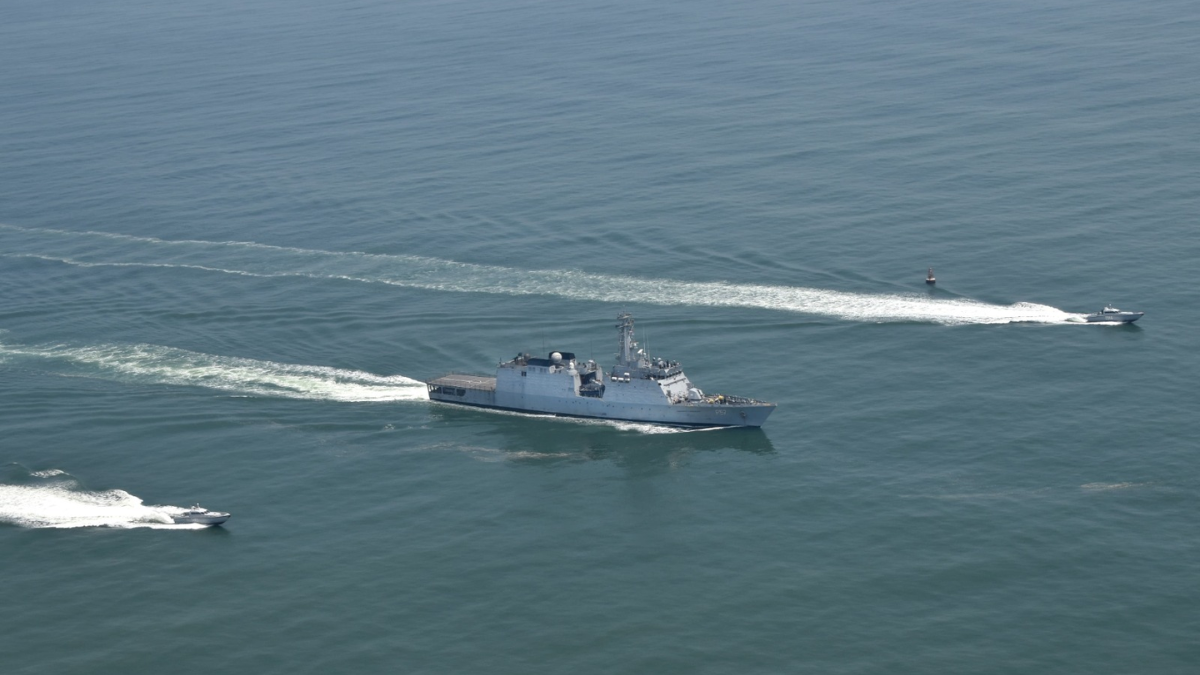
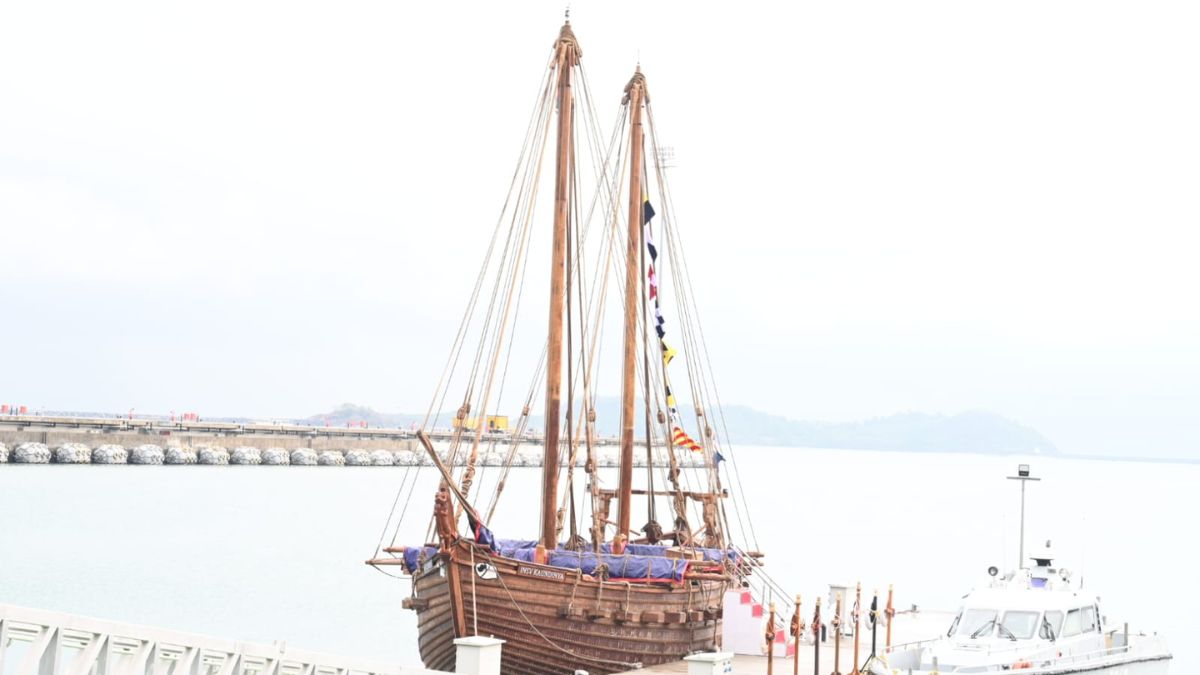
MAHASAGAR vision India. Image courtesy: Indian Navy

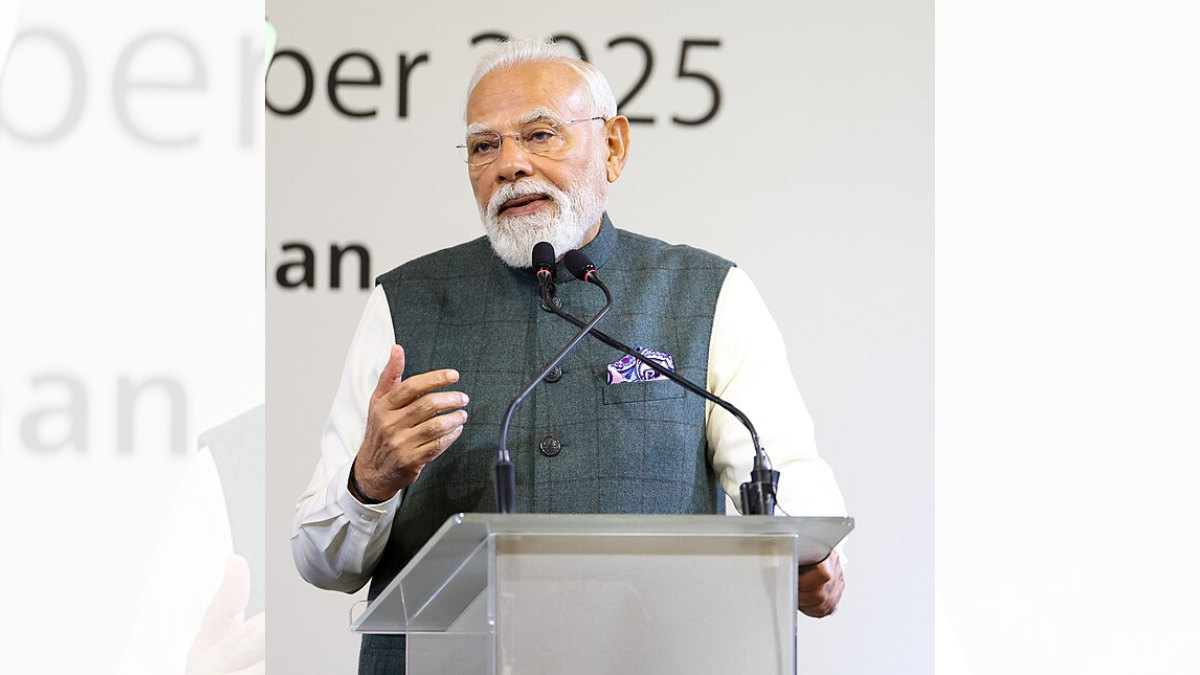
Twelve months after Prime Minister Narendra Modi unveiled India’s MAHASAGAR vision from Mauritius, the Indian Navy has become the primary instrument for turning that declaration into operational reality — through exercises stretching to East Africa, relief missions from Sri Lanka to Myanmar, and a diplomatic push that now reaches Southeast Asia and Europe.
Announced on 12 March 2025, MAHASAGAR — Mutual and Holistic Advancement for Security and Growth Across Regions–builds on the earlier SAGAR doctrine that India had followed since 2015. Where SAGAR focused on maritime security in India’s immediate neighbourhood, the new framework links naval engagement with trade, connectivity and development cooperation across the broader Indo-Pacific. The context is straightforward: nearly 90 per cent of India’s trade travels by sea, and a large share of global commerce flows through the same Indo-Pacific waters that India is now more actively patrolling, exercising in and responding to crises across.
New exercises, new partners
The Navy’s first major step under MAHASAGAR came in April 2025, when India organised the inaugural Africa-India Key Maritime Engagement, or AIKEYME, exercise off the coast of Tanzania. Ten African navies participated in drills focused on coordinated patrols, information-sharing and interoperability in the Western Indian Ocean—a part of the world that India’s maritime strategy had not previously engaged at this scale.
Around the same time, on the decks of INS Sunayna, the MAHASAGAR vision had a face. Forty-four international crew members from nine nations — Comoros, Kenya, Madagascar, Maldives, Mauritius, Mozambique, Seychelles, Sri Lanka and Tanzania—lived and worked alongside their Indian counterparts under the shared motto of ‘One Ocean One Mission’. The concept—partners sailing with India rather than simply observing from the sidelines—has become a signature of how the Navy is approaching cooperative engagement in the region.
Naval cooperation has also extended well beyond the Indian Ocean. Between 1 and 3 June 2025, India and the European Union held their first-ever joint naval exercise in the Indian Ocean, focusing on counter-piracy operations and coordinated manoeuvres—a milestone in a relationship that had previously been limited to informal passing exercises at sea.
First responder role tested repeatedly
India’s self-described role as the Indian Ocean’s first responder was tested multiple times over the past year.
When Cyclone Ditwah struck Sri Lanka in late November 2025, India launched Operation Sagar Bandhu, deploying INS Vikrant, INS Udaygiri and INS Sukanya to deliver over 1,000 tonnes of relief supplies. The operation continued in phases into December, with Indian army engineers airlifted in to help restore damaged roads and bridges.
Months earlier, in March 2025, a 7.7-magnitude earthquake devastated Myanmar, prompting Operation Brahma. Five naval ships and six aircraft were dispatched, delivering approximately 656 metric tonnes of food, medicine and emergency supplies. An army field hospital established in Mandalay treated thousands of patients. India also deployed INS Sumedha to Kenya to provide flood relief during the 2024–25 flooding season — a quieter mission that nonetheless extended India’s humanitarian footprint into East Africa.
Institutions and infrastructure
Alongside the deployments and exercises, India has been building the institutional and physical infrastructure that sustains long-term maritime partnerships.
The Colombo Security Conclave, which began in 2011 as a trilateral between India, Sri Lanka and the Maldives, has continued to expand. Mauritius and Bangladesh joined in subsequent years, and in November 2025 Seychelles was admitted as a full member — broadening the grouping’s coverage across the western Indian Ocean. The conclave now operates with a formal charter and a permanent secretariat in Colombo.
On the infrastructure side, the upgraded airstrip and jetty at Agalega Island in Mauritius — commissioned in 2024 — have strengthened maritime surveillance and logistics capabilities in a strategically located part of the western Indian Ocean.
Southeast Asia and bilateral gains
India’s maritime engagement has also moved east. At the ASEAN-India Summit in October 2025, leaders designated 2026 the ASEAN-India Year of Maritime Cooperation, signalling a more structured approach to naval and maritime ties with Southeast Asian partners.
At the bilateral level, India and the Philippines elevated their relationship to a strategic partnership during Philippine President Ferdinand Marcos Jr.’s state visit to India in August 2025, with defence and maritime security forming the centrepiece of a new five-year Plan of Action. Prime Minister Modi’s visit to the Maldives in July 2025 produced a ₹4,850-crore line of credit, new infrastructure support and the launch of negotiations for a bilateral Free Trade Agreement — marking a significant diplomatic reset after a period of strained ties.
Visakhapatnam signals intent
The scale of India’s maritime ambitions was on display in February 2026, when Visakhapatnam hosted three concurrent events. MILAN 2026 brought together 42 ships, 29 aircraft and naval representatives from 74 countries — one of the largest multilateral naval exercises India has ever hosted. Around the same time, the International Fleet Review saw President Droupadi Murmu review a combined fleet of 85 ships, including the indigenously built carrier INS Vikrant, in a deliberate showcase of India’s growing indigenous naval capability. The city also hosted the ninth Conclave of Chiefs of the Indian Ocean Naval Symposium, where naval leaders discussed shared security challenges and disaster response coordination.
India’s evolving maritime thinking was formally codified in the Indian Maritime Doctrine 2025, released in December last year, which incorporates the MAHASAGAR vision and explicitly acknowledges the increasingly complex “No War, No Peace” conditions that now define maritime competition across the Indo-Pacific.
After its first year, MAHASAGAR looks less like a single initiative and more like a durable operating framework — one that the Indian Navy is steadily filling with exercises, deployments, relief missions and bilateral agreements. Whether the pace and ambition of the past twelve months can be sustained as the vision enters its second year will be the defining question for India’s maritime strategy going forward.