

Operation Urja Suraksha: Navy Deploys Warships Near Hormuz To Escort India-Bound Tankers Amid West Asia Crisis
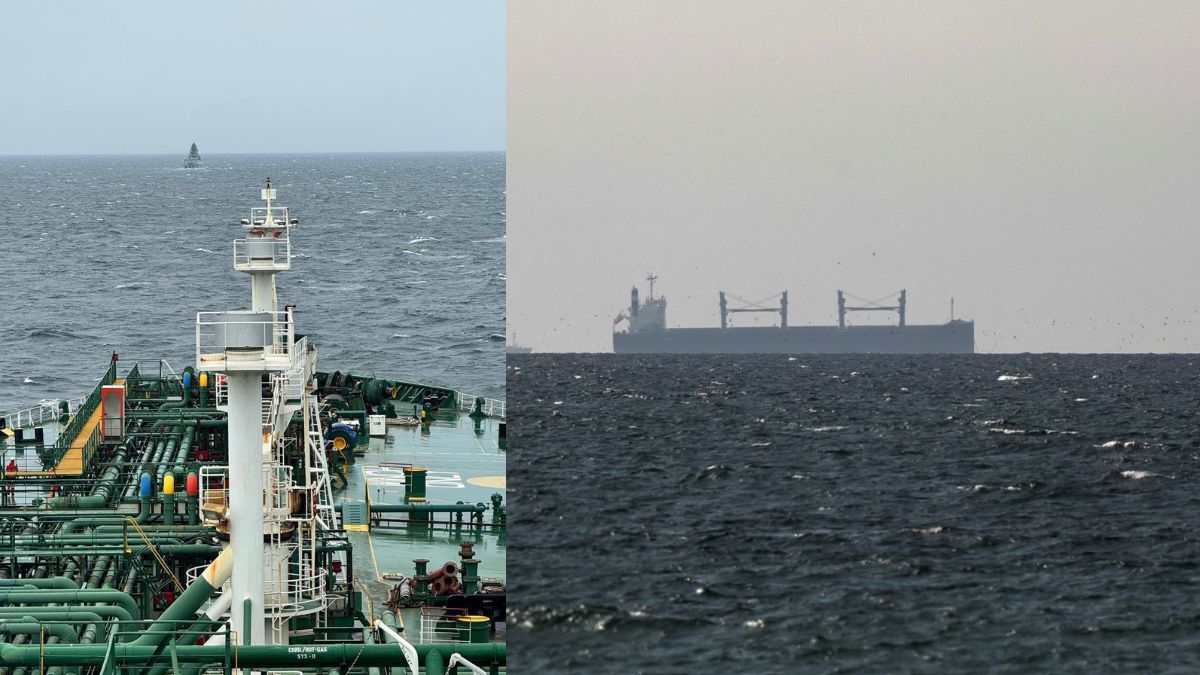
The Navy is working in close coordination with the Ministry of Ports, Shipping and Waterways and the Directorate of Naval Operations. Image courtesy: RNA

In a decisive show of maritime preparedness amid escalating tensions in West Asia, the Indian Navy has launched Operation Urja Suraksha, deploying multiple frontline warships near the strategically vital Strait of Hormuz to secure India’s energy supply routes. The operation comes as the region faces heightened volatility due to ongoing conflict.
The Strait of Hormuz handles a significant share of global oil and gas shipments, and any disruption has immediate consequences for energy-importing nations like India. With threats to shipping intensifying due to the ongoing conflict, India’s move signals a proactive military-backed strategy to safeguard its energy security.
As part of the operation, the Navy is deploying over five warships, a move which reflects the seriousness of the situation and India’s readiness to protect its maritime interests far beyond its coastline.
Naval escort missions secure critical energy cargo
Operating with a high degree of caution, the Indian Navy has been quietly escorting India-bound vessels through the volatile waters of the Gulf. So far, several key shipments have successfully navigated the Strait under naval protection, including LPG carriers Pine Gas and Jag Vasant, which together are transporting around 92,000 tonnes of liquefied petroleum gas to India.
These vessels are expected to arrive at Indian ports by March 26–27, reinforcing the continuity of supply at a time of global uncertainty. Earlier, other critical ships, including LPG carriers Shivalik and Nanda Devi, along with crude tanker Jag Laadki, were also escorted safely.
Focus on 22 high-priority vessels
Defence sources, cited by India Today, indicate that the operation is centred around securing the passage of 22 India-bound ships, many of which are carrying vital cargo such as LNG, LPG, and crude oil. Ensuring the safe transit of these vessels is crucial not only for civilian energy consumption but also for maintaining industrial output and broader economic stability.
“Once an India-bound cargo vessel clears the Strait, the Navy’s warships in the Gulf of Oman escort and guide the vessel out of the troubled zone towards the Arabian Sea,” the Times of India quoted a source in DG Shipping as saying.
Coordinated national effort to secure sea lanes
The mission is being executed through close coordination between the Indian Navy, Ministry of Ports, Shipping and Waterways, and the Directorate of Naval Operations, ensuring seamless maritime logistics and real-time response to evolving threats. This integrated approach reflects a broader national effort to protect supply chains during geopolitical crises.
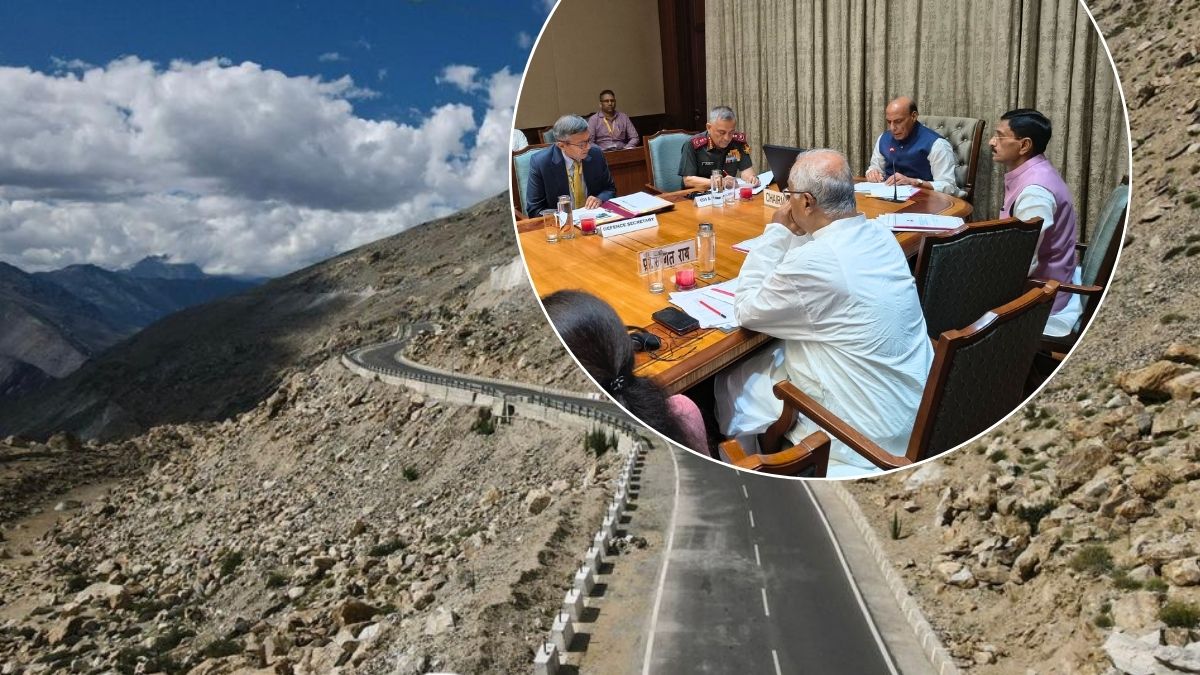
Defence Minister Rajnath Singh recently reviewed the evolving security situation in West Asia, with a particular focus on its implications for India’s defence preparedness and supply chain resilience. The review examined the risks posed by a potential escalation, including disruptions to critical imports and challenges in defence production linked to global supply chains.
By maintaining a sustained naval presence near Hormuz, India is sending the clear message that it is prepared to secure its energy lifelines through active maritime deployment. The operation also highlights the Indian Navy’s expanding role as a net security provider in the region, capable of protecting national interests in high-risk, high-stakes environments.
Worth noting here is that the mission has already achieved key successes, with LPG carriers Pine Gas and Jag Vasant safely passing through the Strait under naval protection. Together, these vessels are carrying nearly 92,000 tonnes of LPG and are expected to reach Indian ports within days.