

Threat Activity Expands Eastward: IFC-IOR On Iran War As India Ramps Up Naval Presence Around Strait Of Hormuz
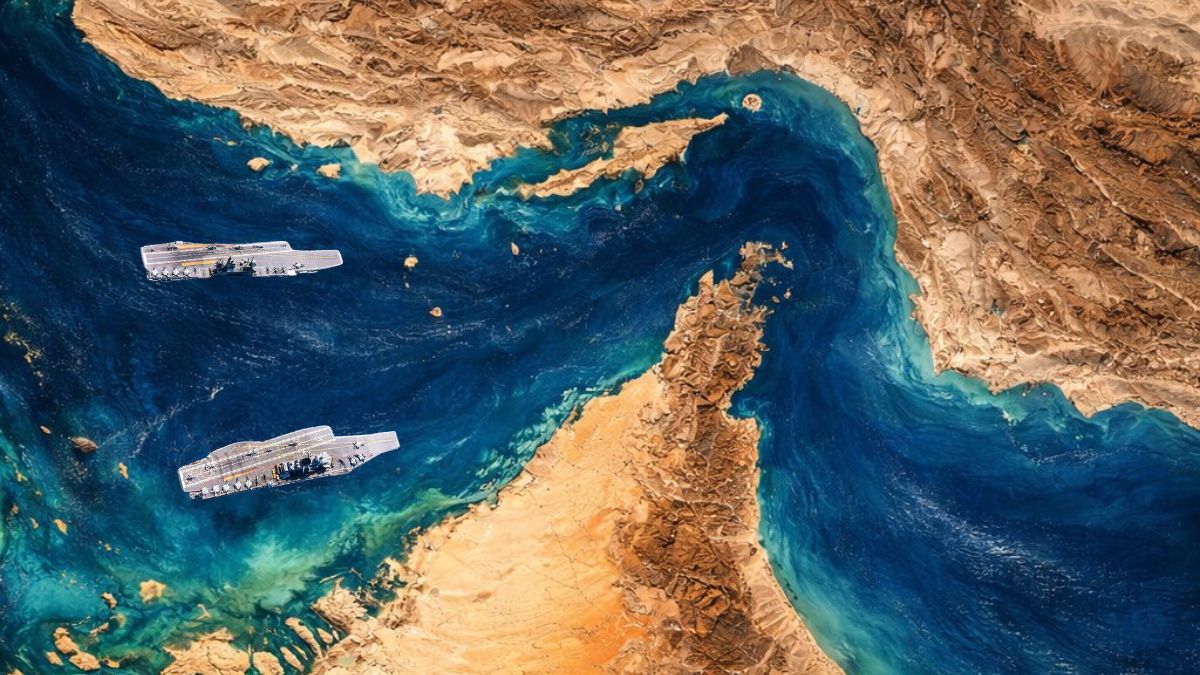
India is deploying more warships to the Gulf of Oman for the safe passage of its fuel carriers. Image courtesy: RNA

As the Iran war continues to disrupt global shipping, India has warned that security threats are no longer confined to the Strait of Hormuz, but are now spreading eastwards into the Gulf of Oman. An assessment by the Indian Navy-hosted Information Fusion Centre–Indian Ocean Region (IFC-IOR) in Gurugram highlighted at least six shipping-related incidents in areas east of Hormuz, signalling a widening conflict footprint.
Officials say this evolving situation could disrupt global energy and commodity supply chains, keep war-risk insurance premiums elevated, increase risks for commercial and energy vessels.
IFC-IOR, a multi-nation construct with several countries having their representatives on board, has over 20 countries sharing data on commercial shipping to create a common picture. In an update on Tuesday night (March 17, 2026), the agency said, “Dynamics around the Strait of Hormuz continue to evolve as threat activity expands eastward.”
India’s response to Strait of Hormuz crisis: Warships, escorts, surveillance intensified
In response, India has significantly ramped up its naval deployment to safeguard critical sea lanes and ensure safe passage for its vessels. Some of the key measures include deployment of 6-8 Indian Navy warships in and around the Gulf of Oman, formation of two dedicated naval task forces for escort missions, use of maritime surveillance aircraft, UAVs and satellite feeds for real-time monitoring.
Indian warships are actively escorting LPG and crude oil carriers as they exit the volatile Hormuz region and head towards Indian ports.
Operation Sankalp in action: Securing India’s energy lifelines
India’s maritime operations in the region are being conducted under Operation Sankalp, launched in 2019 to ensure the safety of Indian-flagged vessels. Recent developments highlight its importance – Indian Navy warships successfully escorted oil tankers from Fujairah (UAE) to India, LPG carriers like Shivalik and Nanda Devi safely reached Indian ports with over 92,000 metric tonnes of cargo.
Moreover, 22 Indian-flagged vessels remain stuck west of the Strait, underlining the scale of disruption.
The Navy’s presence is aimed at instilling confidence among shipping operators and ensuring continuity of trade.
India stays out of US-led coalition
Notably, India has chosen to operate independently, without joining any multi-nation maritime coalition proposed by the United States. Instead, New Delhi is relying on indigenous surveillance systems, long-standing regional partnerships, access to logistics hubs like Duqm and Salalah ports in Oman.
The Navy also retains the option of deploying fleet tankers for mid-sea refuelling, ensuring sustained operations far from home bases.
Why Hormuz matters: A global energy chokepoint
The Strait of Hormuz handles nearly 20% of global crude oil supplies, making it one of the most critical maritime chokepoints in the world. However, since the outbreak of hostilities following US-Israel strikes on Iran, the passage has effectively faced severe disruptions and partial blockades, increased missile and drone threats, heightened military activity.
For India, which relies heavily on energy imports from the Gulf, ensuring safe transit is a strategic necessity. India’s current deployment builds on its long-standing maritime security efforts – continuous anti-piracy patrols in the Gulf of Aden since 2008, expanded presence in the Gulf of Oman since 2019.
The addition of more warships highlights the Navy’s ability to quickly adapt to emerging threats and expand its operational footprint.