


Indian Military Year-ender 2025: From Operation Sindoor to 2026 Inductions, How the Armed Forces Are Resetting for a Tech-Driven Future
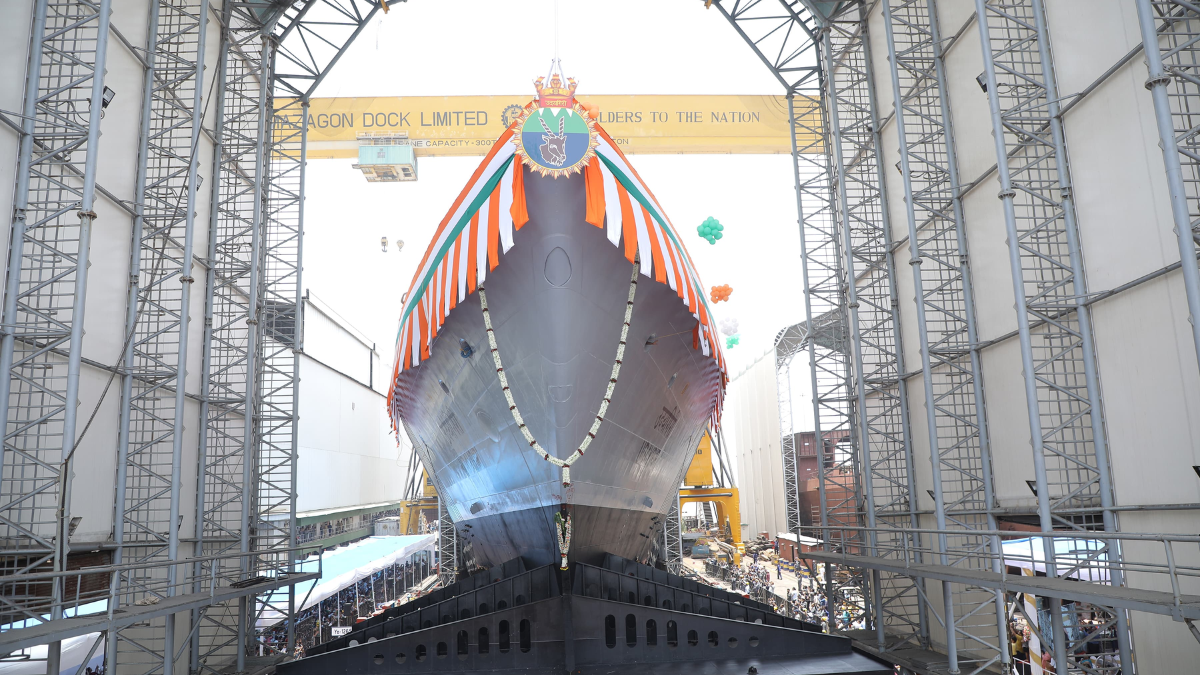
INS Udaygiri was commissioned in August 2025

India’s armed forces are poised for a major leap in combat readiness in 2026, with the induction of fighter jets, nuclear submarines, warships, transport aircraft, missiles, and drones, even as the transformative impact of 2025, defined by Operation Sindoor and sweeping doctrinal reforms, continues to reshape the country’s war-fighting architecture.
What to look for in 2026 on India’s defence preparedness?
At the top of the 2026 agenda is the long-awaited induction of the Light Combat Aircraft (LCA) Mk-1A, nuclear-powered ballistic missile submarine Aridaman, Project 17A stealth frigates, India-made C-295 transport aircraft, Akash-NG air defence missiles, and a new generation of intelligence, surveillance and reconnaissance (ISR) drones. Together, these platforms underscore India’s push to blend self-reliance with rapid modernisation amid persistent threats from Pakistan and China.
Among the most closely watched developments is the delayed LCA Mk-1A programme. Hindustan Aeronautics Limited (HAL) now plans to deliver at least five jets to the Indian Air Force (IAF) by the end of FY26, revising earlier targets. The IAF has ordered 180 Mk-1A fighters worth around ₹1.1 lakh crore, but deliveries are yet to begin, making 2026 a critical test year for India’s indigenous fighter ecosystem.
Why is the strategic asset induction to be the 2026 focus?
On the strategic front, the Navy is expected to commission Aridaman, its third Arihant-class nuclear-powered ballistic missile submarine (SSBN), in early 2026. The induction will further strengthen India’s nuclear triad, placing it among a small group of nations with credible sea-based nuclear deterrence. A fourth SSBN, codenamed S-4*, is slated for 2027.
The Navy’s conventional strength will also grow with the commissioning of Project 17A stealth frigates—Taragiri, Mahendragiri, Dunagiri, and Vindhyagiri, by late 2026. These advanced warships form part of a broader plan to build a largely indigenous fleet by 2047, with nearly 60 warships currently under construction in Indian shipyards.
In airlift capability, the IAF is set to induct its first India-assembled C-295 transport aircraft. Under the ₹21,935-crore Airbus–Tata programme, 16 aircraft have already arrived in fly-away condition, while the first made-in-India aircraft will roll out from Vadodara in September 2026.
How did 2025 shape India’s warfare prowess?
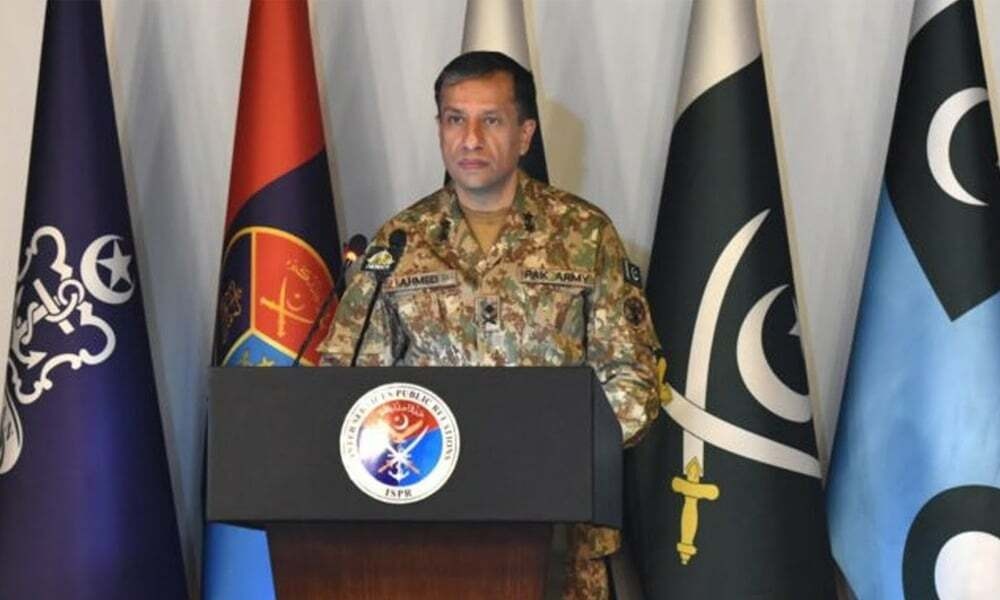
While 2026 promises new hardware, 2025 will be remembered as a turning point in how India fights wars. Operation Sindoor, launched in May in response to the killing of 26 tourists in Jammu and Kashmir’s Pahalgam, marked India’s most integrated tri-service operation in years. Precision strikes across land, air, and sea, coupled with large-scale use of drones and missiles, showcased seamless coordination between the Army, Navy, and IAF.
The operation triggered structural reforms across the services. The Army reorganised its infantry battalions to include dedicated drone units called ‘Ashni’, raised Bhairav light commando battalions for rapid border operations, and created integrated ‘Rudra’ brigades combining armour, artillery, special forces, and unmanned systems.
Air defence emerged as a decisive factor. The IAF’s Integrated Air Command and Control System (IACCS), working in tandem with Army air defence units, proved critical in countering Pakistani drones and loitering munitions. Simultaneously, Indian strikes degraded Pakistan’s air defence network, enabling deep precision attacks.
How did Operation Sindoor provide valuable lessons to India?
The Navy, too, drew lessons from Operation Sindoor. It updated its doctrine to include a ‘no war, no peace’ category, reflecting grey-zone and hybrid conflicts, and accelerated induction of drones, autonomous boats, and surveillance assets.
Capping the year, the Chief of Defence Staff released six joint doctrines covering cyber, space, amphibious, special forces, and multi-domain operations, signalling a decisive shift toward integrated, technology-driven warfare.
As India heads into 2026, the convergence of new platforms and hard-won operational lessons from 2025 suggests a military in transition, one preparing not just for the next conflict, but for a fundamentally different way of fighting wars.