

India’s Immortal Valour Pierces Beijing’s Deceitful Veil Through Galwan’s Truth
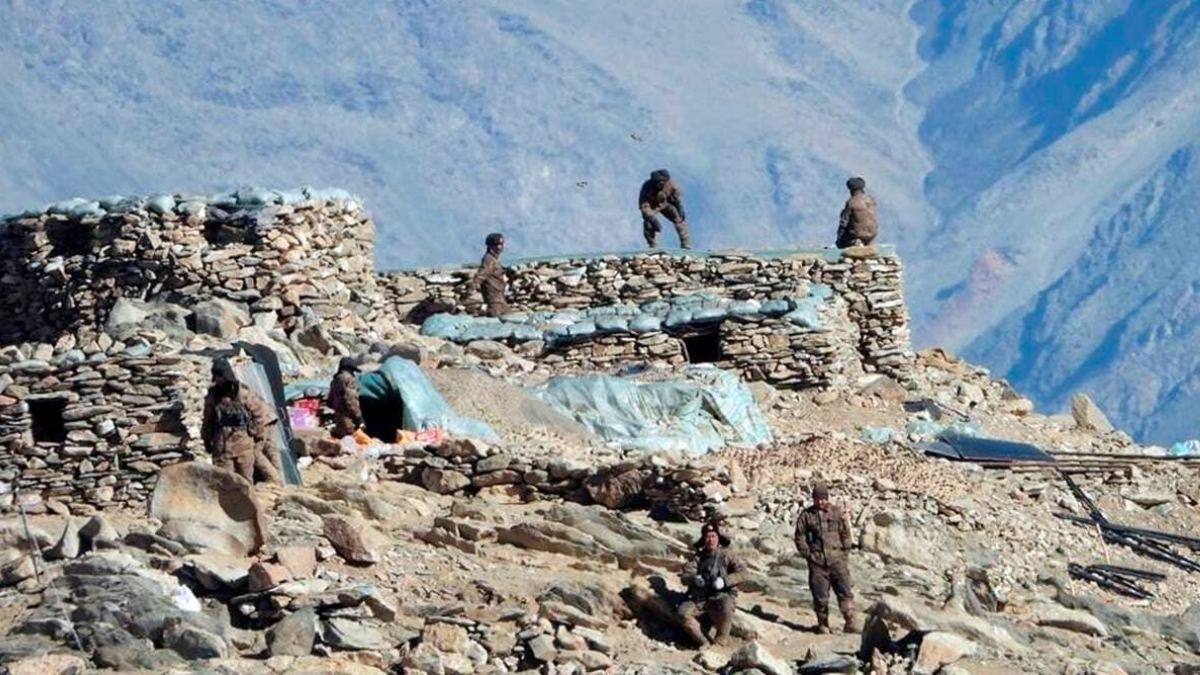
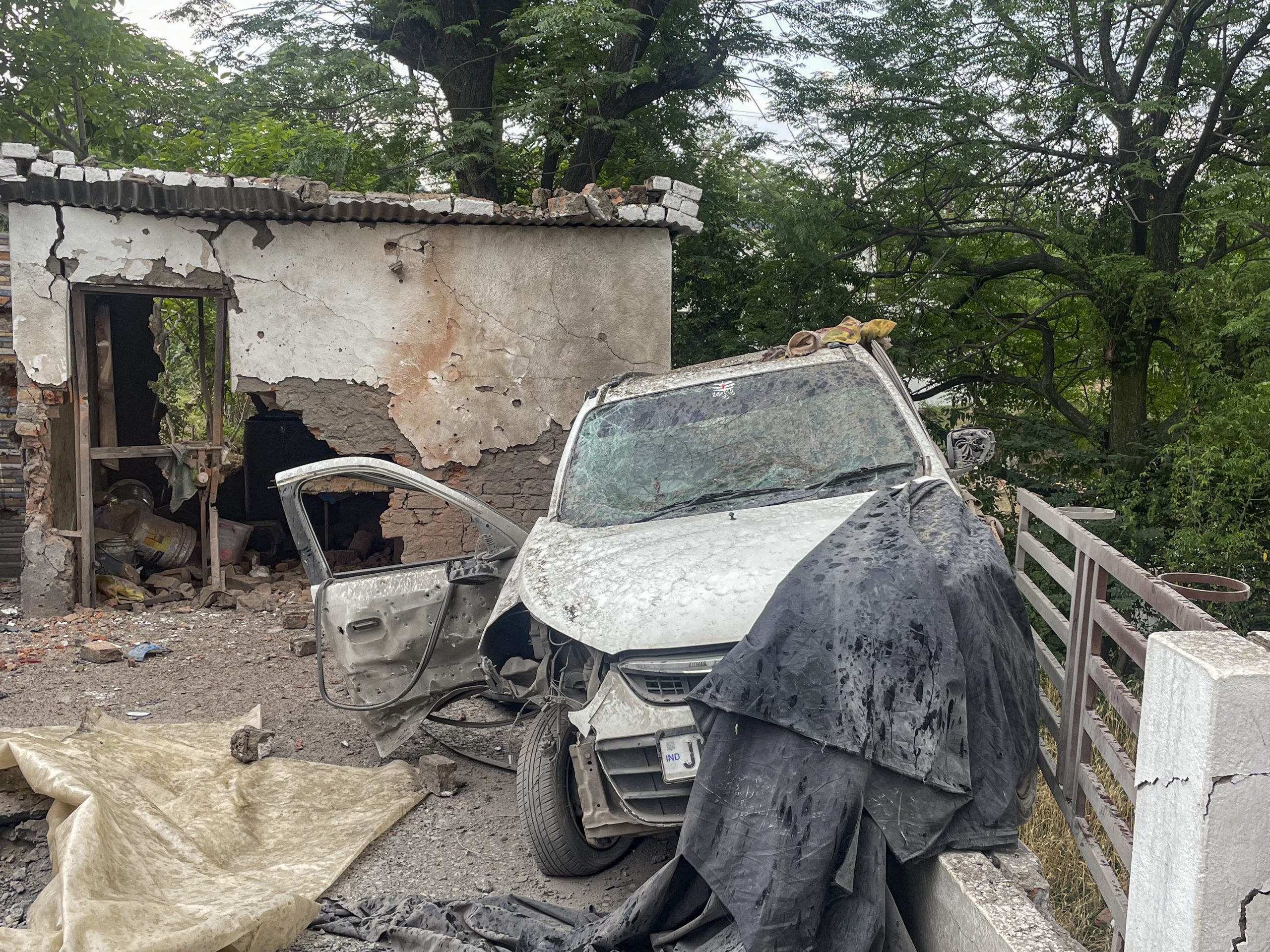
Indian Army at Pangong Tso. Credit: Indian Army

The brutal clash in the Galwan Valley on June 15, 2020, marked the deadliest confrontation between India and China in over four decades.
Set against the harsh, unforgiving terrain of eastern Ladakh along the Line of Actual Control (LAC), the face-off between the Indian Army and the People’s Liberation Army became a defining moment in modern military history.
While India publicly mourned the loss of 20 soldiers and honored their sacrifice with full military rites, Beijing retreated into silence, admitting to only four casualties months later, an account widely disputed by independent assessments and global intelligence reports.
The Galwan clash was not a conventional firefight. Bound by prior agreements prohibiting firearms along the LAC, Indian jawans fought hand-to-hand combat at 14,000 feet, wielding nothing but sheer determination and improvised weapons.
Against overwhelming odds and in sub-zero conditions, they held their ground on contested heights, ensuring that Chinese attempts to alter the status quo by force were met with fierce resistance. This extraordinary act of valour etched their names into India’s military legacy.
However, while India chose transparency and national mourning, Beijing adopted obfuscation. For months, Chinese state media maintained a blackout, censoring battlefield realities and tightly controlling domestic narratives.
When the Chinese government finally acknowledged casualties in February 2021, it named four PLA soldiers, an admission that raised more questions than answers.
Subsequent investigative reports, satellite imagery analyses, and foreign intelligence leaks suggested significantly higher losses on the Chinese side.
The disparity between China’s official narrative and external assessments exposed a pattern: strategic opacity designed to shield the Communist Party’s image of invincibility.
This pattern of suppression aligns with broader concerns about information control under President Xi Jinping.
By tightly regulating media discourse and punishing dissent, Beijing sought to prevent domestic scrutiny of military setbacks.
The Galwan episode became a case study in how authoritarian regimes manage battlefield perception, prioritising political optics over public accountability.
The silence was not merely about casualty numbers; it was about maintaining an aura of unchallenged supremacy.
In stark contrast, India institutionalised remembrance. Annual tributes across the country, especially in Ladakh and regimental centres, honor the fallen heroes of Galwan.
Their sacrifice has transcended military history, becoming a symbol of national resilience.
Wreath-laying ceremonies, memorial constructions, and public commemorations reinforce a collective memory that fortifies India’s strategic resolve.
Each year, as the nation pays homage, the message is clear: territorial integrity is non-negotiable.
The Galwan clash also triggered tangible strategic shifts. India recalibrated its military posture along the northern frontier, accelerated infrastructure development, and strengthened defence procurement.
Diplomatic engagements with like-minded partners intensified, and the episode injected new urgency into border management frameworks.
The psychological impact was equally profound. Far from deterring India, the clash galvanised public opinion and unified political discourse around national security priorities.
Beijing’s calculated silence, intended to project strength, paradoxically exposed vulnerability. When narratives require censorship to survive, credibility erodes.
In the information age, concealment invites scrutiny. China’s delayed and minimal admission of losses undermined its claim of moral high ground and fueled skepticism among regional neighbors wary of assertive tactics in contested zones.
Galwan thus stands as more than a tragic encounter. It is a prism through which competing political systems revealed themselves.
India’s open acknowledgment of sacrifice contrasted sharply with China’s opaque posture. The battlefield outcome demonstrated that numerical superiority does not guarantee dominance when confronted by determined defenders rooted in democratic accountability and national pride.
For India, the end goal is not revenge but resilience. The immortal valour displayed in Galwan has become a rallying cry to safeguard borders and expose the aggressor’s fragility.
By preserving memory and reinforcing preparedness, India transforms sacrifice into strategic strength. The fallen soldiers are no longer just martyrs of a single night in Ladakh; they are enduring sentinels in the nation’s consciousness.
As annual tributes echo across the Himalayas, one truth resonates unmistakably: India’s heroic defiance pierced Beijing’s veil of silence. In Galwan, valour prevailed over deception, and the spirit forged there remains unbreakable.