Araghchi Briefs Jaishankar On Regional Situation, Developments On Negotiations On 6th Phone Call Since Start Of Crisis
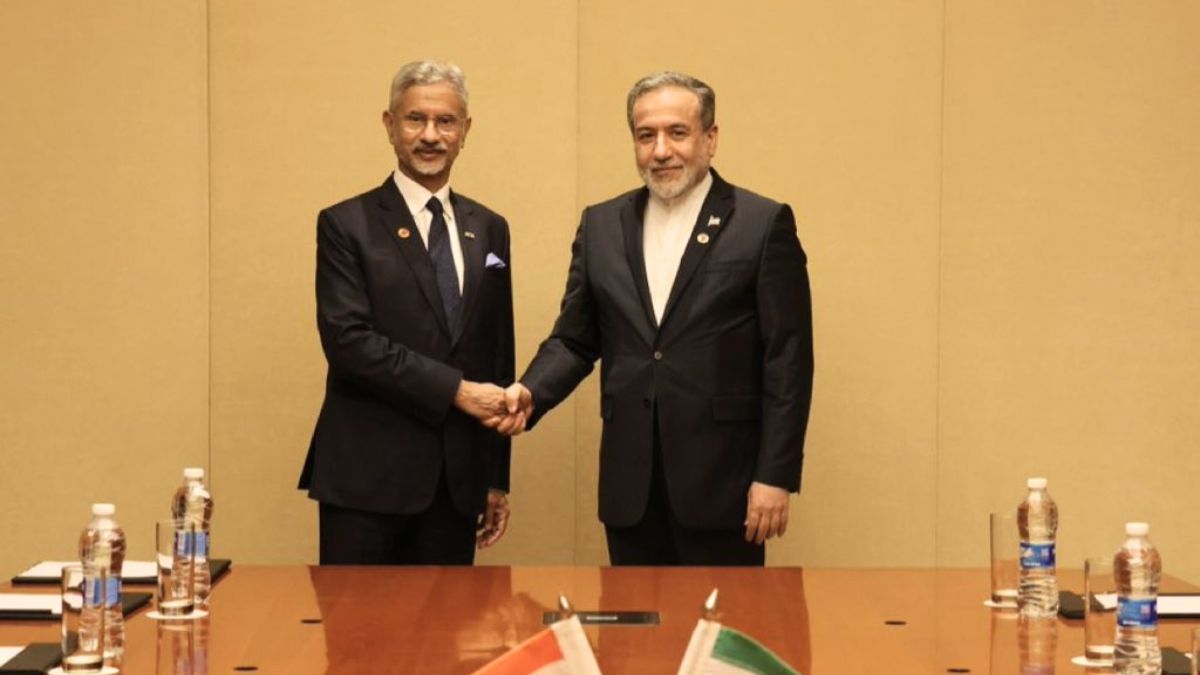
Their phone call comes ahead of a meeting between the BRICS foreign ministers that is scheduled to take place in New Delhi next month. Image courtesy: X.com

As tensions continue to reshape the geopolitical landscape of West Asia, India and Iran have maintained sustained diplomatic engagement, underlining the importance of dialogue during a volatile phase. External Affairs Minister S Jaishankar once again spoke to his Iranian counterpart Seyed Abbas Araghchi on Wednesday (April 29, 2026).
This was the sixth conversation between the two leaders since the start of the conflict on February 28.
Informing about the latest round of talks with Araghchi, EAM Jaishankar said, “Had a detailed conversation about various aspects of the current situation. We agreed to remain in close touch.”
What was discussed in the latest Jaishankar-Araghchi call?
According to the Iranian embassy in India, the two ministers “discussed and exchanged views on the latest developments related to the ceasefire, bilateral relations as well as regional and international issues”. The conversation covered the evolving US-Iran ceasefire situation, alongside broader regional dynamics and bilateral ties.
“During the call, Iran’s Foreign Minister briefed his Indian counterpart on the regional situation and the consequences of the continued unlawful actions of the United States in threatening freedom of international navigation, as well as the latest developments related to negotiations aimed at ending the imposed war against Iran,” the embassy shared.
Iranian Foreign Minister Araghchi also described the insecurity imposed on the Persian Gulf region and the Strait of Hormuz as a direct result of the aggressive actions of the United States and the Zionist regime against Iran, it added.
Notably, this was the sixth exchange between the two foreign ministers since the conflict began, indicating a consistent line of communication even as tensions escalate in the region.
It is understood that Jaishankar stressed the need for resolving issues through dialogue and diplomacy, while also highlighting the importance of ensuring safe passage for commercial shipping through the Strait of Hormuz, a critical global energy corridor.
What role does the Strait of Hormuz play in these discussions?
The Strait of Hormuz has emerged as a central concern, with its continued blockade significantly impacting global energy flows and India’s supplies in particular.
The disruption has affected LPG shipments, with shortages hitting restaurants and migrant workers especially hard. Traffic along the key maritime chokepoint remains thin after Iran continued its retaliatory closure of the strait in response to the US blockade of Iranian ports.
India has secured the passage of eight Indian-flagged LPG tankers through the strait since the conflict began, and has also arranged record volumes of gas imports from the United States, according to a Bloomberg report.
How do US-Iran tensions factor into the situation?
The broader crisis has been shaped by escalating US-Iran tensions. After weeks of Iranian blockade of the strait, the US imposed its own naval blockade of Iranian imports to pressure Tehran into reopening maritime routes. According to a Reuters report, US President Donald Trump discussed ways to mitigate the impact of a potential prolonged blockade of Iran’s ports with American oil firms.
Tehran, in response, warned of “unprecedented military action” against continued US blockading of Iran-linked vessels, further raising the stakes in the region.
What recent incidents have heightened tensions involving India?
Jaishankar’s latest call with Iranian FM Araghchi also comes after a direct incident involving Indian vessels. Iranian forces had opened fire on two Indian-flagged ships attempting to cross the Strait of Hormuz on April 18. The episode prompted India’s Ministry of External Affairs to summon Iranian Ambassador Mohammad Fathali, highlighting the seriousness of the situation for New Delhi.
The conversation also took place ahead of a scheduled BRICS foreign ministers’ meeting in New Delhi on May 14 and 15. Iran, now a member of the grouping, is expected to participate, although there has been no official confirmation.
As foreign minister of a BRICS member, Araghchi has a seat at the meeting, which comes at a time when the bloc has struggled to present a unified stance on the West Asia conflict. A recent meeting of special envoys in India ended without a joint statement due to lack of consensus.