
Rajnath Singh Stresses On Need For Medium To Long-Term Strategy, Swift Decision-Making At First IGoM Meet On West Asia
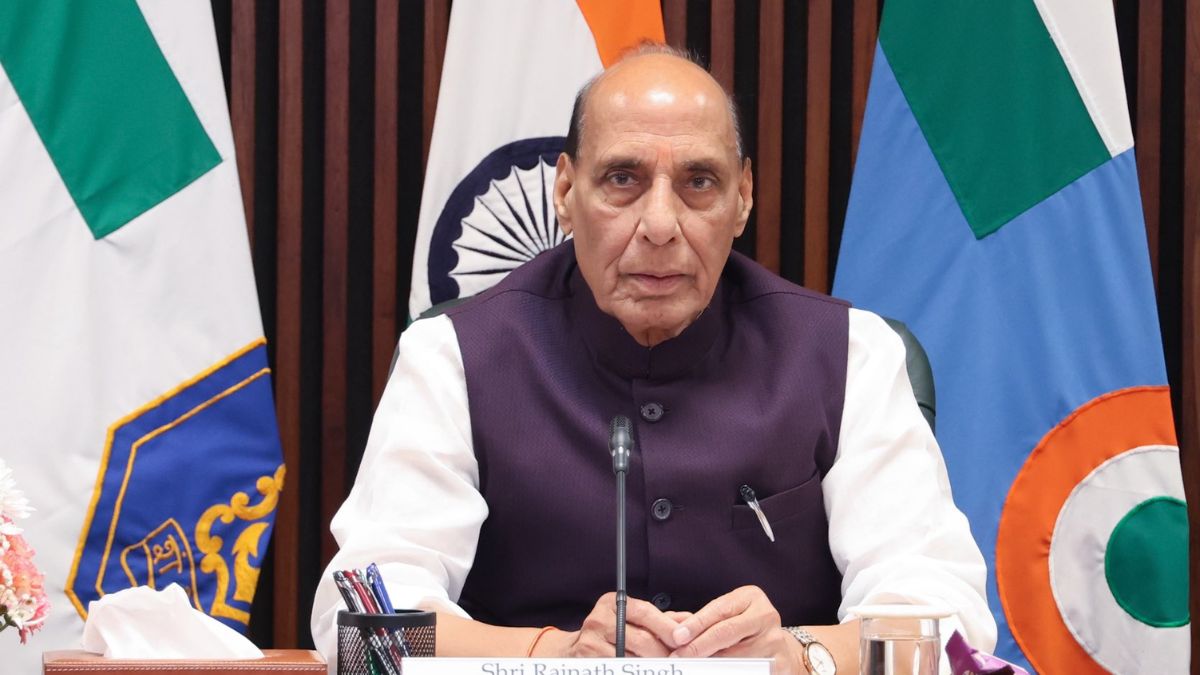
Defence Minister emphasised the need for a proactive, coordinated and forward-looking approach, and underscored the importance of remaining vigilant. Image courtesy: X.com/@rajnathsingh

As the West Asia conflict continues to disrupt global energy markets and critical supply chains, India has intensified its preparedness efforts, signalling a whole-of-government approach to shield the domestic economy from external shocks. Day after Prime Minister Narendra Modi’s meeting with CMs and LGs of states and UTs, Defence Minister Rajnath Singh also chaired the first Informal Group of Ministers (IGoM) meeting.
The Centre had recently constituted the Informal Group of Ministers (IGoM) specifically to monitor the rapidly evolving situation in view. The move comes amid growing concerns over oil supply disruptions, rising crude prices, and uncertainties surrounding key maritime routes such as the Strait of Hormuz.
Bringing together key ministries, including finance, petroleum, power, fertilisers, food, aviation, and science, the group is tasked with taking a holistic view of the crisis. The newly formed IGoM serves as a central coordination mechanism to assess and respond to the multifaceted impact of the West Asia conflict on India.
Its mandate spans energy security, supply chain stability, infrastructure resilience, and the availability of essential commodities. According to officials, the group’s discussions focused on ensuring that India remains insulated from major disruptions while maintaining economic stability.
What key concerns were discussed during the high-level meeting?
At the heart of the deliberations was India’s energy security, particularly in light of constrained shipping movements and volatility in global oil supplies.
The ministers reviewed risks related to crude oil imports, LPG availability, and fuel distribution across the country. The resilience of critical infrastructure and the robustness of supply chains were also examined, given the possibility of prolonged geopolitical instability.
Defence Minister Singh stressed the importance of medium- to long-term preparedness, calling for faster decision-making processes to respond effectively to emerging challenges. “There was in-depth discussion on all the measures being taken by the Government of India,” he stated.
What did Rajnath Singh say after the IGoM meeting?
As part of the IGoM’s first meeting, Singh stressed on the need for a proactive, coordinated and forward-looking approach, while underlining the importance of remaining vigilant in view of the evolving scenario, the statement noted. He also provided guidance to the EGoS to continue the close monitoring of the situation, maintain high-level coordination, and ensure swift decision-making.
He stressed that all policy efforts should remain in synergy and be implemented in a time-bound manner. He also sought constructive inputs from all the concerned Ministers to ensure that India remains resilient and prepared. The IGoM reaffirmed the importance of close coordination with States and district administrations.
How is India ensuring fuel and supply stability?
The government has reiterated its commitment to ensuring uninterrupted access to fuel and essential goods, even as global markets remain volatile.
By closely monitoring developments and coordinating across ministries, New Delhi is working to maintain steady supply lines and avoid domestic shortages. The focus remains on proactive planning – securing alternative supply routes, managing reserves, and supporting oil marketing companies if required.
The high-level engagement also complements earlier assurances from the government that there is no immediate risk of fuel shortages, with sufficient mechanisms in place to manage supply and demand.
What does this mean for India’s overall crisis management strategy?
The formation of the IGoM and the urgency of its first meeting highlight a shift towards more agile and coordinated governance during global crises. Rajnath Singh emphasised vigilance and a forward-looking approach, underlining that the situation remains dynamic and requires constant monitoring.
While uncertainties persist, India’s response so far indicates a strategy built on preparedness, coordination, and adaptability.