Why World Needs More Than Two Powers: UN Chief Cites India-EU Trade Deal To Make Case For Multipolar Order
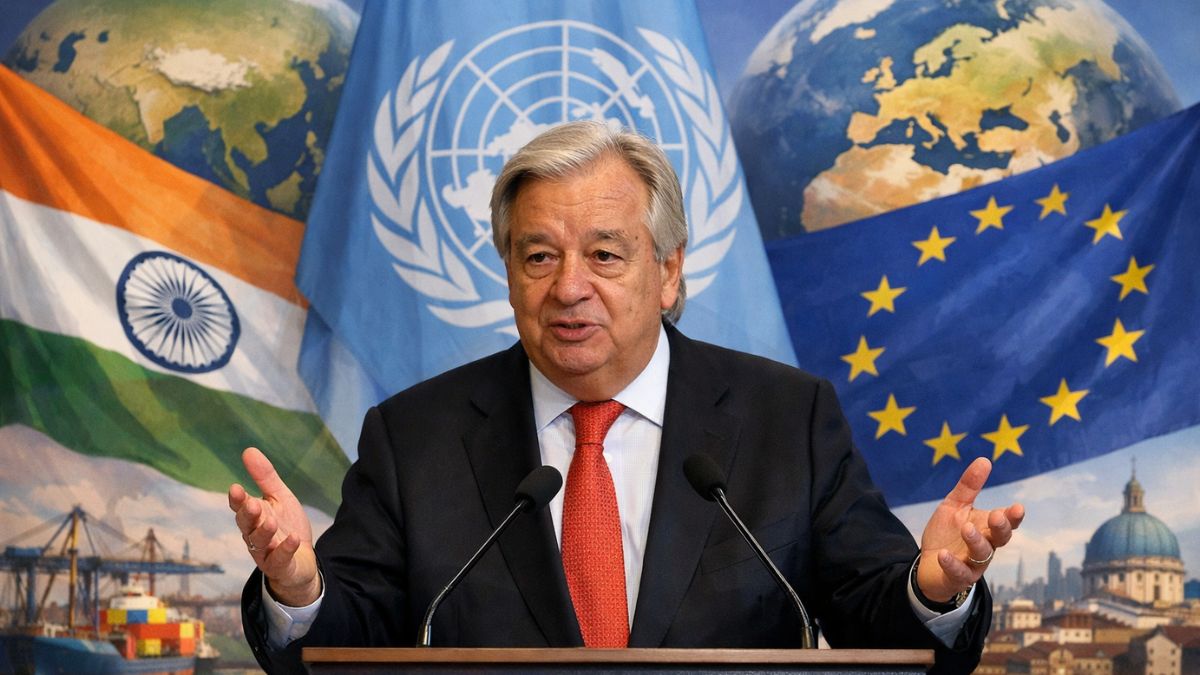
For a stable world, we need to support multipolarity, UN chief Antonio Guterres said, citing India-EU trade deal. Image courtesy: AI-generated picture via Sora

At a moment of sharpening global rivalries, UN Secretary-General Antonio Guterres has issued clear warning that the world’s problems cannot be solved by one power, or even two, calling the shots for that matter. He has made a case for multi-polarity, citing the recently signed India-EU trade deal.
Speaking at a press conference outlining his priorities for 2026, Guterres argued that lasting peace, development and stability demand a multipolar global order, not one dominated by Washington or carved up between the US and China. “In the present moment, it is clear that the most powerful country in the world is the US,” Guterres said.
Saying so, he added that many now see a future defined by two poles, one centred on Washington and the other on Beijing. “But if we want a stable world… we need to support multi-polarity.”
A multi-polar world: How does India-EU trade deal fit into this vision?
UN chief Guterres pointed to the landmark India-EU Free Trade Agreement, signed earlier this week, as a textbook example of what multipolarity looks like in practice. The deal, described by leaders as the “mother of all deals”, creates a combined market of nearly two billion people, underlining how major economies are building partnerships beyond traditional power centres.
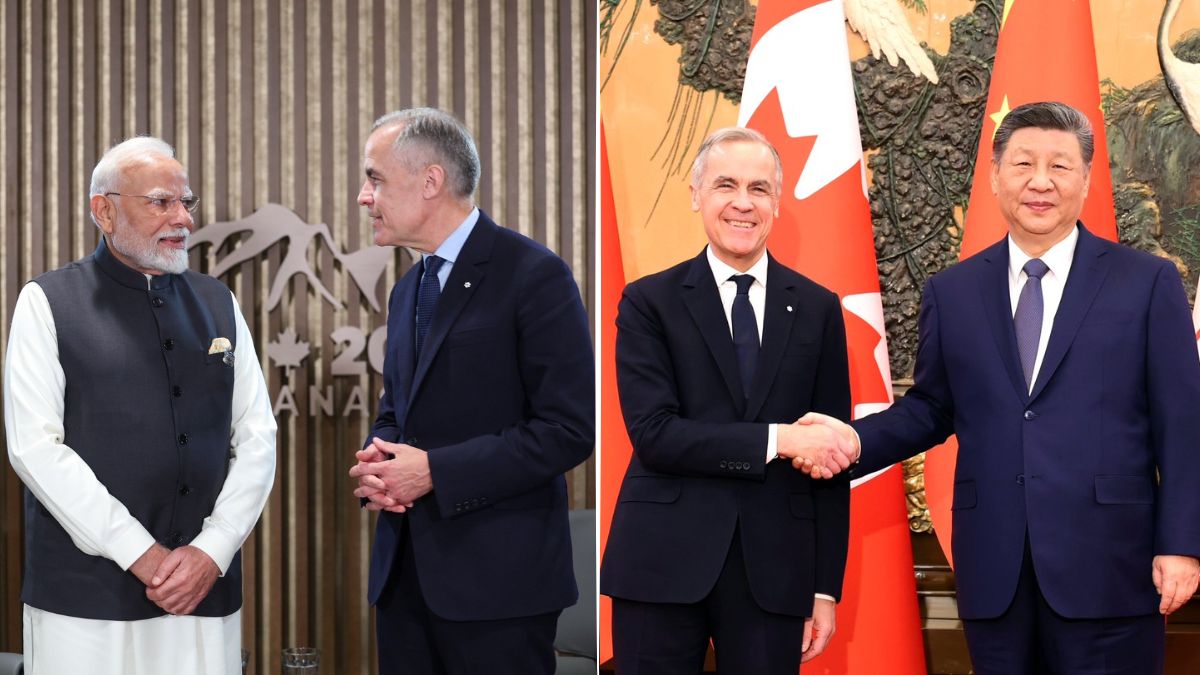
“I see with a lot of positive expectations recent trade agreements,” Guterres said, listing the EU’s deals with Mercosur, Indonesia and India, alongside evolving trade ties involving Canada, China and the UK. Together, he said, these agreements form a dense global network of trade, technology and cooperation.
Why Guterres rejected a US-China duopoly?
In his blunt assessment, the UN chief underlied that “global problems will not be solved by one power calling the shots, nor will they be solved by two powers carving the world into rival spheres of influence.”
Instead, he advocated a networked multipolarity, one that is inclusive by design and capable of balancing interests through partnerships rather than confrontation. Such a system, he argued, is essential to uphold the values of the UN Charter and strengthen multilateral institutions.
What does this mean for emerging economies like India?
Guterres noted that the global economic landscape is shifting rapidly. The share of global activity commanded by traditional developed economies is receding, while emerging economies are expanding in scale, influence and confidence. The India-EU FTA reflects this transition.
Alongside trade, New Delhi and Brussels also signed agreements on security and defence cooperation and mobility of Indian talent, signalling a broader strategic alignment aimed at protecting the rules-based international order at a time of strain in transatlantic ties.
Trade becoming the new tool of global balance?
According to Guterres, yes. He described trade, technology and international cooperation as the building blocks of a true multipolar world, one that can create balance without blocs or binaries. This interconnected web, he noted, is what can ultimately give multilateral institutions the strength and legitimacy they need to function effectively.
Moreover, responding to questions about the US-backed Board of Peace on Gaza, which some see as a rival mechanism, Guterres reaffirmed the central role of the UN Security Council. “The Security Council stands alone in its Charter-mandated authority to act on behalf of all members in questions of peace and security.”
Guterres stressed that no ad hoc coalition can legally replace it. Only the Security Council, he underlined, can adopt binding decisions or authorise the use of force under international law.